The snack aisle makes a simple goal feel oddly complicated. You want something convenient for a desk drawer, school pickup, or late-afternoon hunger – not a 10-minute label investigation. Non GMO snacks can make that decision easier, but only when you know what the claim actually tells you and what it does not.
For many shoppers, avoiding genetically modified ingredients is a personal preference tied to how they want to buy food. That is a valid starting point. The smarter move is treating a non-GMO claim as one useful filter alongside ingredient quality, added sugar, protein or fiber, allergens, price, and whether the snack will actually get eaten.
What “non-GMO” means on a snack label
GMO stands for genetically modified organism. In food shopping, the term generally refers to ingredients made from crops that have been genetically engineered. In the U.S., commonly discussed genetically engineered crops include corn, soybeans, canola, sugar beets, alfalfa, papaya, summer squash, potatoes, apples, and some salmon.
A non-GMO claim means the manufacturer is saying it has avoided genetically modified ingredients or met a specific verification standard. The strength of that claim depends on the label behind it. A package with a recognizable third-party verification mark generally gives shoppers more confidence than a vague front-of-pack phrase with no explanation.
The Non-GMO Project Verified mark is one of the labels consumers are most likely to encounter. It indicates that a product has met that program’s standards for avoiding genetically modified ingredients and managing risks of contamination in the supply chain. It is not a nutrition score, a promise that every ingredient is organic, or proof that a snack is minimally processed.
USDA Organic is another useful signal. Organic standards prohibit the intentional use of genetically modified organisms, so certified organic snacks are also a practical option for shoppers avoiding GMOs. Still, organic and non-GMO are not interchangeable. An organic snack may prioritize farming practices and ingredient sourcing, while a non-GMO snack may not be organic at all.
Why the “bioengineered” disclosure is not the whole answer
You may also see “bioengineered food” disclosures on some packages. This is a federal disclosure category, not a non-GMO certification. It can help identify certain foods containing detectable modified genetic material, but it should not be used as the only tool for deciding whether a product fits a non-GMO preference. Some highly refined ingredients may not require the same disclosure if modified genetic material is no longer detectable.
That is why a verified non-GMO or organic label can be more straightforward when this issue matters to you. It shifts less of the research burden onto your grocery cart.

How to choose non GMO snacks you will actually enjoy
A snack earns repeat-purchase status when it works in real life. It needs to taste good, travel well, fit your dietary needs, and keep you satisfied long enough to avoid a second round of pantry searching 20 minutes later. Start with the type of eating moment you are solving.
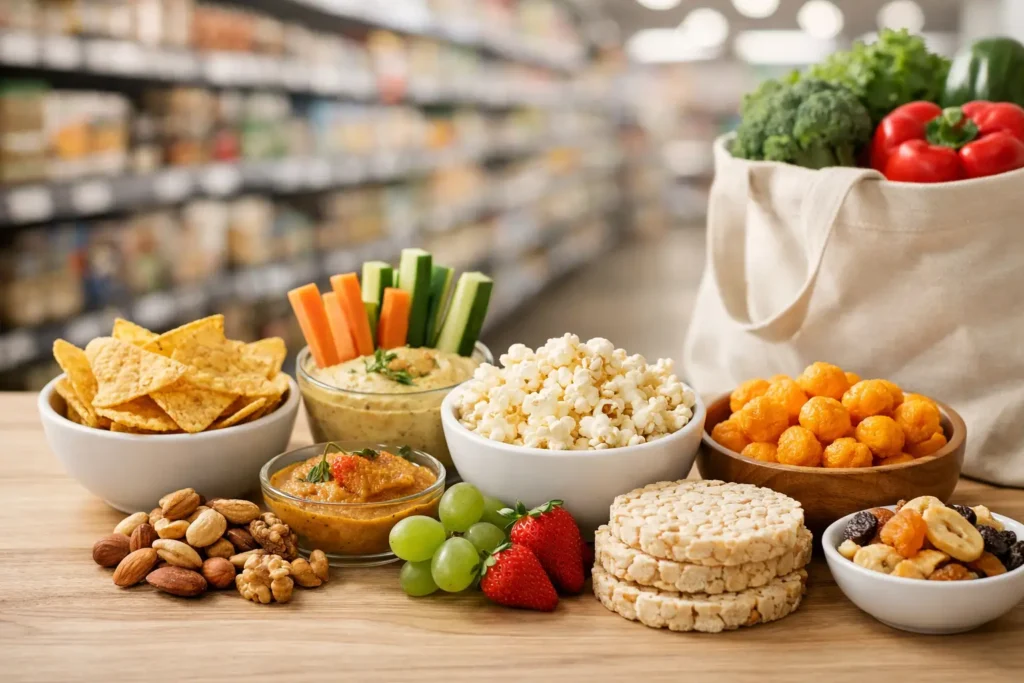
For a quick, shelf-stable option, look at popcorn, roasted chickpeas, trail mixes, seed crackers, fruit-and-nut bars, and whole-grain snack bars. These categories often offer verified choices, though the ingredient lists can vary widely. A simple bag of popcorn can be a solid pick, while a flavored version may bring more sodium, added sugar, or oils than you expected.
For something that feels more substantial, pair a non-GMO snack with protein or healthy fat. Apple slices with nut butter, plain Greek yogurt with a low-sugar granola, or whole-grain crackers with cheese can provide more staying power than a sweet bar alone. The package label matters, but so does the overall snack combination.
If you are shopping for kids, convenience matters even more. Individual portions reduce mess and make lunch packing easier, but they can cost more per ounce and create more packaging waste. Family-size bags or boxes are often the better value for home, as long as you portion them into containers before everyone reaches for the bag.
Read the front, then turn the package over
The front of a package is designed to earn attention. The nutrition facts panel and ingredient list are where you decide whether to buy it. After confirming a non-GMO or organic claim, take 30 seconds to check four things:
- Added sugar: A snack does not need to be sugar-free, but a bar marketed as wholesome can still be closer to candy than an everyday option.
- Protein and fiber: Either can help make a snack more filling. The right amount depends on the snack, but products with neither are less likely to hold you over.
- Sodium: Salty snacks can fit a balanced diet, yet portions disappear quickly. Compare similar products rather than judging one number in isolation.
- Allergens and dietary restrictions: Nuts, dairy, soy, sesame, gluten, and coconut can appear in unexpected places. Households managing allergies should check every time, even with familiar brands.
Ingredient order can also tell a useful story. Ingredients are listed by weight, so the first few usually make up the bulk of the product. A short list is not automatically superior, and a longer list is not automatically a dealbreaker. But when sugar, syrup, or refined starches lead the list, it is worth asking whether the product matches the role you want it to play.
The trade-offs worth knowing before you stock up
Non-GMO products sometimes cost more, especially when they use third-party verification, organic ingredients, or smaller-batch sourcing. The premium may be worthwhile if the certification is meaningful to you, but it should not force you into a pantry full of snacks you cannot afford to replenish. Compare unit prices, watch for multipacks you will realistically use, and reserve premium buys for your household favorites.
Availability is another trade-off. A favorite verified snack may be easy to find online but limited in local stores, while a simpler organic alternative may be available almost everywhere. Flexibility helps. Rather than relying on one specific product, create a short rotation of snack types your household likes: one crunchy option, one fruit-based option, one protein-forward option, and one treat-like option.
There is also a common misconception worth clearing up: non-GMO does not automatically mean more nutritious. A non-GMO cookie is still a cookie. That does not make it a bad choice. It simply means the non-GMO label answers one question about sourcing, while nutrition and portion size answer different questions.
The reverse is true as well. A food without a non-GMO claim is not automatically poor quality or unsuitable for your family. Some foods do not commonly involve genetically engineered crop ingredients, and some brands may follow careful sourcing practices without paying for a verification label. If the claim is central to your decision, though, choosing products with clear certification reduces guesswork.
A practical non GMO snacks shopping routine
The easiest way to avoid decision fatigue is to set a few personal standards before you browse. You might decide that packaged snacks should be Non-GMO Project Verified or USDA Organic when possible, that sweet snacks need to stay below your preferred added-sugar range, and that at least two weekly options should offer meaningful protein or fiber. Those are not universal rules. They are guardrails that make your cart faster to build.
Then shop by purpose, not by marketing category. Keep a few grab-and-go options for rushed mornings, satisfying choices for workdays, and snacks that feel fun enough for movie night. This approach prevents the familiar problem of buying a pantry full of aspirational health foods that no one wants when hunger hits.
A little label awareness goes a long way, but perfection is not required. The best non GMO snacks are the ones that align with your preferences, fit your budget, and make everyday eating feel easier rather than more complicated.
PO-Store Recommends:

CLIF BUILDERS Protein Bars, Chocolatey Peanut Butter, Gluten Free, 12 ct
Why PO-Store Recommends It: CLIF BUILDERS Protein Bars are a well-regarded pick for anyone looking for a portable, protein-forward snack without relying on a sugary bar to get there. Each bar is designed to deliver 20g of plant-based protein, is Non-GMO Project Verified, gluten-free, and made without artificial sweeteners, which is commonly associated with a more filling, steadier snack than a typical candy-style bar. It’s a straightforward option for desk drawers, gym bags, or school lunches — anywhere a quick, satisfying snack matters more than a fast sugar hit.

Yupik Raw Pumpkin Seeds, No Shell, 1 lb (16 oz), GMO-Free, Gluten-Free, Kosher, Shelled Pepitas, Salt-Free, Oil-Free, Plant-Based Protein, Source of Fiber, Healthy Snacks, Ideal for Baking & Topping

Milton's Organic Crackers, Multi-Grain - Certified Organic, Non-GMO Project Verified, Kosher, Made With 4 Whole Grains & 3 Seeds, Great for Charcuterie Boards - 6 Oz

ALOHA Organic Plant Based Protein Bar | Peanut Butter Chocolate Chip, 12 Ct

That's it. Large Fruit Bars Variety Pack (20 Pack)