

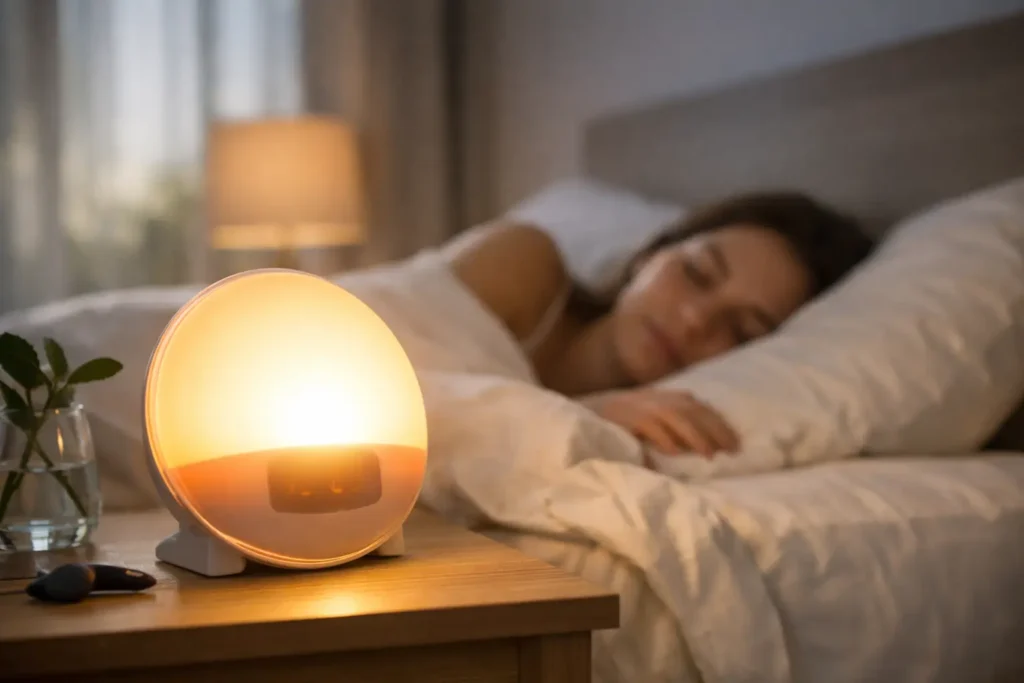
That groggy, slightly annoyed feeling you get when a phone alarm yanks you out of sleep is exactly why people start looking up how to use sunrise alarm clocks in the first place. A good one can make mornings feel less abrupt, but only if you set it up to match your sleep habits. If you just plug it in, pick a random time, and hope for magic, you may end up underwhelmed.
Sunrise alarm clocks are designed to wake you more gradually by increasing light before your alarm time. Instead of going from dark room to loud sound in one second, your body gets a cue that morning is coming. For many people, that means feeling a little more alert, a little less startled, and a lot less tempted to throw the alarm across the room.
How to use sunrise alarm clocks for better mornings
The first thing to know is that the light matters as much as the alarm time. Most sunrise alarm clocks let you choose how long the sunrise lasts, how bright it gets, and whether sound kicks in at the end. Those settings are not filler. They are the difference between a wake-up routine that feels natural and one that feels like a lamp turning on in your face.
Start with your actual wake-up time, not your ideal one. If you realistically get out of bed at 7:00 a.m., set the alarm for 7:00 a.m. and work backward from there. Most people do well with a sunrise duration of 20 to 30 minutes. That means the light begins brightening at 6:30 or 6:40, giving your brain and body a more gradual transition.
If you are a very deep sleeper, a longer sunrise may help, but it depends on the room and the person. In a very dark bedroom, even a moderate light increase can be noticeable. In a room with streetlights, blackout curtains, or a sleep mask, you may need stronger brightness or a different setup to get the benefit.
Put the clock in the right place
Placement is one of the most overlooked parts of using a sunrise alarm clock well. It should be close enough for the light to reach your face, but not so close that it feels harsh. Usually, a nightstand about arm’s length away works best.
If the clock is across the room or blocked by furniture, the sunrise effect gets weaker. If it is directly level with your eyes and set too bright, it can feel irritating instead of gentle. Aim for a spot where the light spreads toward your bed naturally.
This is also why sunrise alarm clocks are not one-size-fits-all. Someone in a small bedroom may need only medium brightness. Someone in a large room with a low bed and tall nightstand may need more power or a better angle.
Choose brightness with some trial and error
Most people set the brightness either too low to notice or too high because they assume brighter equals better. It usually works better to start in the middle and adjust after a few mornings.
If you wake up before the sound and feel reasonably alert, that is a good sign the brightness is working. If the sound still startles you every day, increase the final light level or extend the sunrise duration. If you are waking too early and feeling annoyed, dial it back.
Your season and routine matter here too. In winter, when mornings are darker and getting out of bed is harder, a brighter setting may feel helpful. In summer, especially if your room already gets natural light, you may prefer a shorter or softer sunrise.
How to use sunrise alarm clocks with sound settings
The light is the main feature, but the sound still matters. Think of the sound as backup, not the star of the show. If your sunrise alarm clock includes nature sounds, soft tones, FM radio, or a standard beep, choose the one you are least likely to hate after two weeks.
A gentle sound is usually better than a jarring one, especially if your goal is a less stressful wake-up. That said, heavy sleepers may need a stronger audio cue at the end of the light cycle. There is no prize for using the softest chime if you sleep through it and end up late.
Volume should follow the same logic. Set it high enough to be reliable, but not so high that it undoes the whole point of a gradual wake-up. Many people find that a low-to-medium volume works once the light has already started doing its job.
Give your body time to adjust
One common mistake is judging the clock after one morning. Sunrise alarms work best when used consistently for at least a week. Your body responds to patterns, and the more regular your sleep and wake time, the more effective the light cue tends to be.
If your bedtime changes wildly every night, a sunrise alarm can still help, but results may be mixed. It is easier to wake up gently when you are not chronically sleep-deprived. The clock can improve the wake-up experience, but it cannot fully fix too little sleep.
That is an important trade-off to keep in mind. A sunrise alarm clock is a useful tool, not a miracle product. If you are going to bed at 1:00 a.m. and trying to wake at 6:00 a.m., the light may make the alarm less brutal, but it will not make five hours of sleep feel like eight.


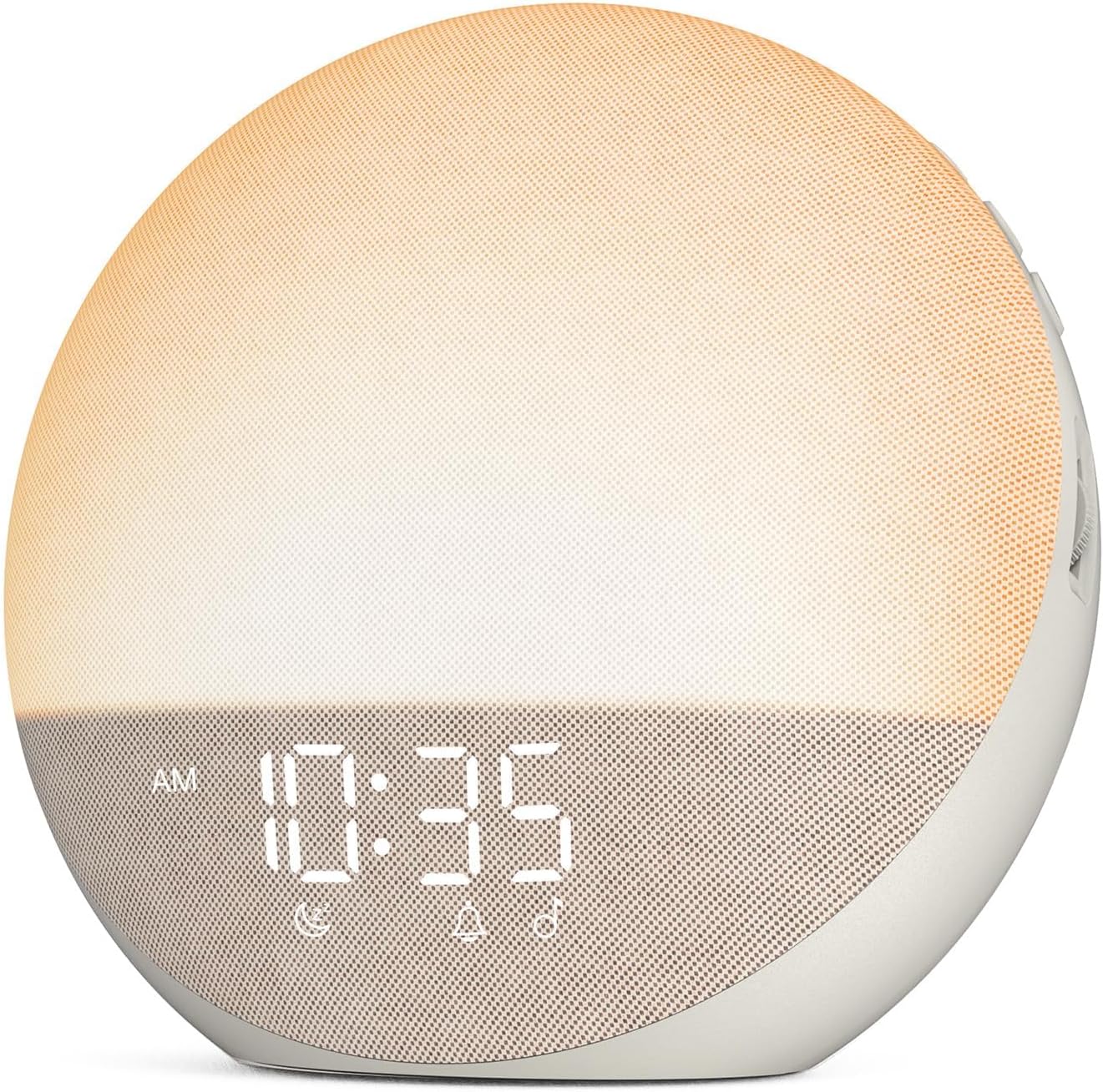
Getting the setup right at night
A sunrise alarm clock works best when the rest of your bedroom setup supports sleep. If the room is full of bright screens, hallway light, or late-night distractions, the wake-up experience can still feel rough.
Before bed, make sure the clock display is dim enough that it does not bother you. Some models have adjustable display brightness or a full blackout option, which is worth using if you are sensitive to light. Check that the alarm is on, the correct wake time is set, and any weekday or weekend schedule is properly programmed. More than a few people think the clock is broken when the real issue is a missed setting.
If your model includes a sunset or sleep light feature, it can be helpful, especially if you like having a softer wind-down routine. But it is optional. The core job is still to make mornings easier.
Who benefits most from sunrise alarm clocks
These clocks tend to be especially helpful for people who hate abrupt alarms, wake up in a dark room, or struggle more during winter mornings. They can also be a smart pick for anyone trying to build a calmer morning routine instead of starting the day already irritated.
They may be less effective if you sleep with an eye mask, share a room with someone who wants total darkness, or need an alarm loud enough to wake a whole household. In those cases, you may need to adjust expectations or choose a model with stronger sound and customization.
This is where a recommendation-led mindset matters. The best sunrise alarm clock is not simply the one with the most features. It is the one you will actually use, with controls that make sense, brightness that fits your room, and sound options that match how you sleep.
A simple routine that actually works
If you want a practical starting point, keep it simple. Set the sunrise for 30 minutes before your real wake time. Place the clock on your nightstand, angled toward your face. Start with medium brightness and a gentle backup sound at medium volume. Use it for seven days before making big changes.
Then pay attention to what happens. If you wake too suddenly, raise the brightness or extend the sunrise. If you wake too early, shorten it. If the sound feels pointless because you are already awake, lower the volume. If you keep sleeping through everything, increase both brightness and sound.
That kind of small adjustment is usually what turns a sunrise alarm from a gadget into part of your routine. At PO-Store, that is the difference we look for in any wellness product – not flashy features, but whether it makes daily life noticeably easier.
A sunrise alarm clock should leave you feeling nudged awake, not dragged into the day. When the timing, brightness, and placement are dialed in, mornings get a little less hostile, and that is a solid upgrade for something you use every single day.

PO-STORE
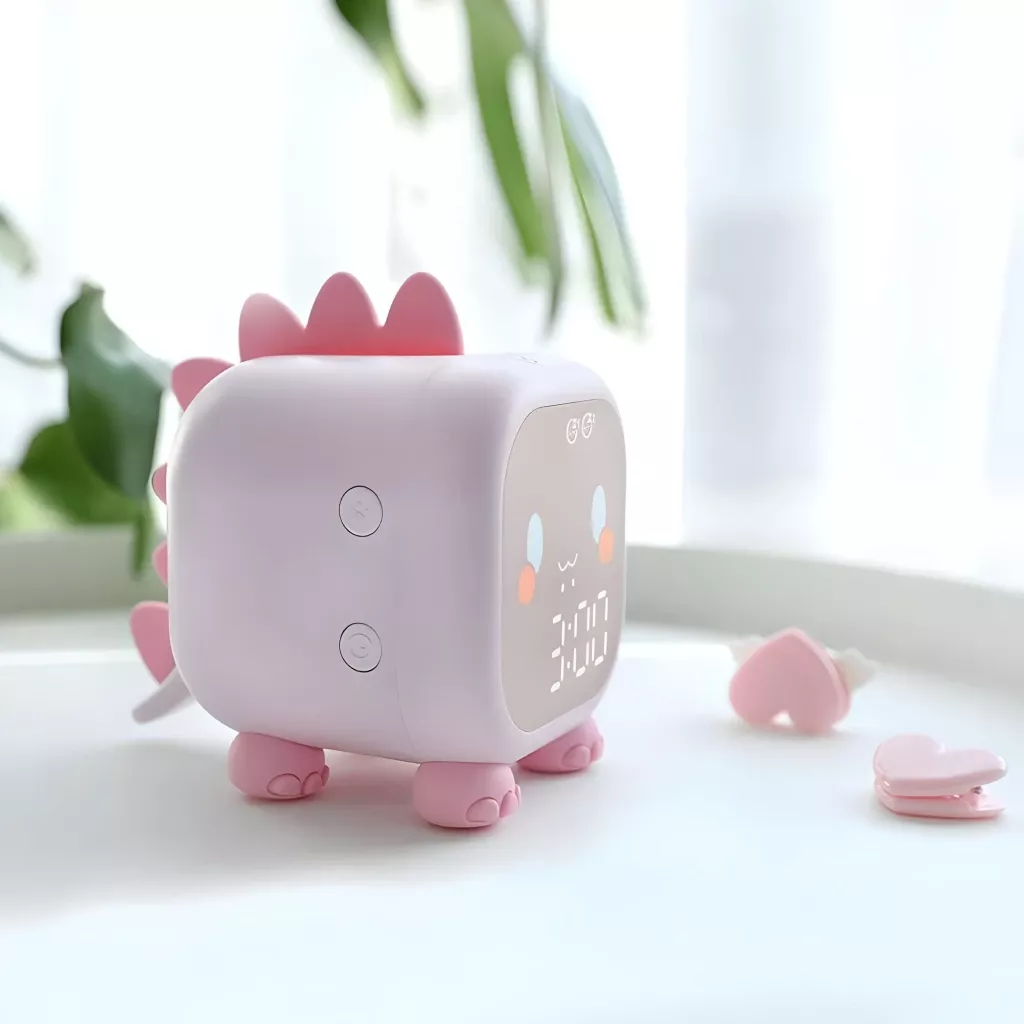
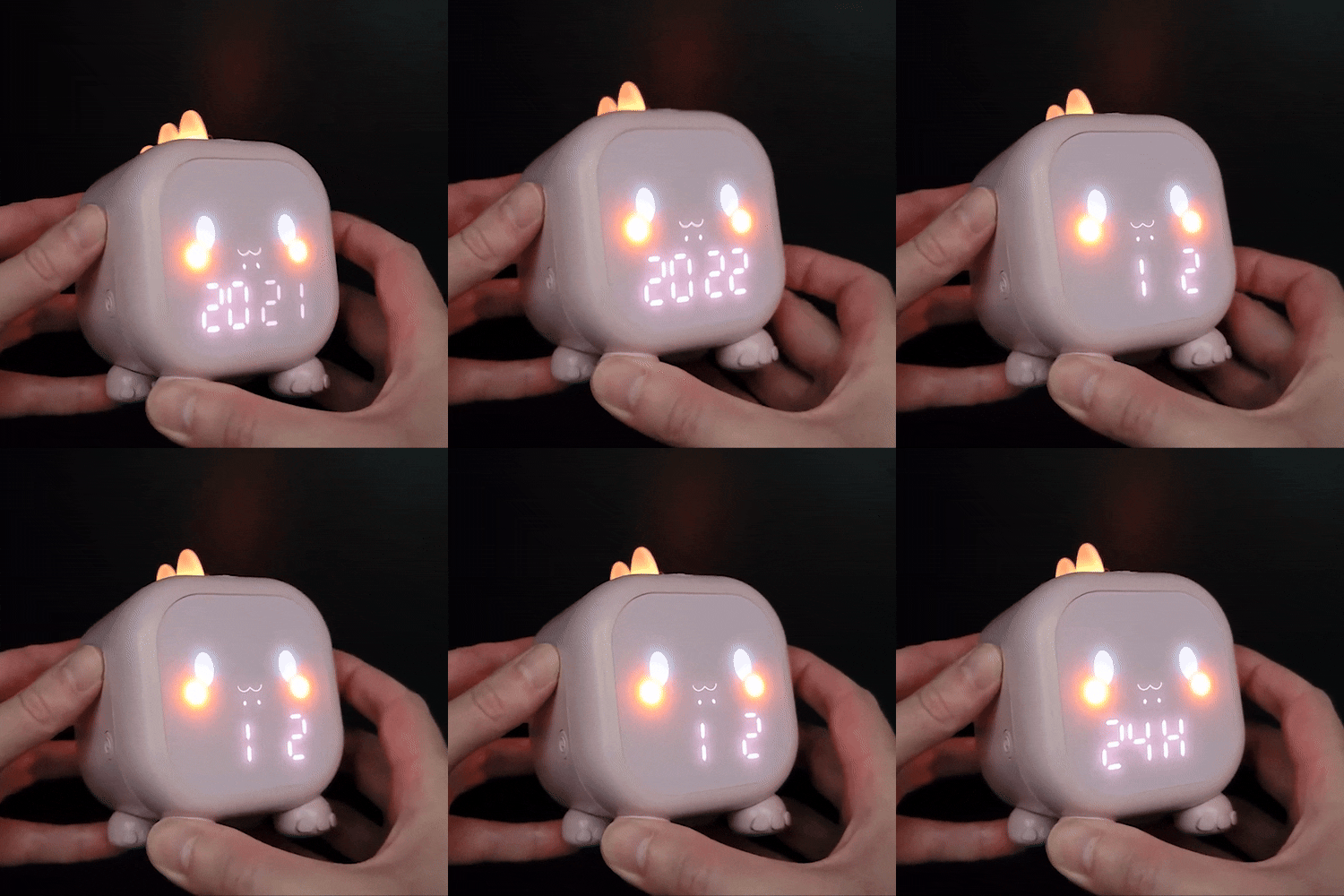
Before you go, check out our store for this cute Dinosaur Alarm Clock with Voice Control and Night Light (68% OFF)




Pingback: 11 Gadgets That Reduce Daily Stress | PO‑Store
Pingback: 9 Best Under Sink Water Filters | PO‑STORE