

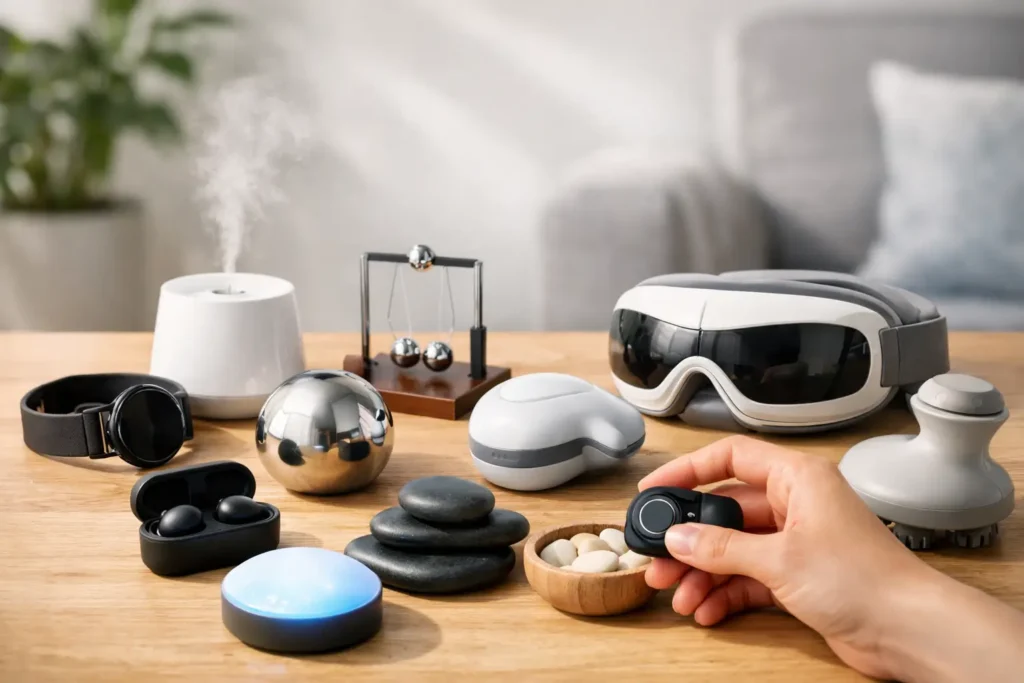
Some stress shows up loud – a blaring alarm, a dead phone at 4 p.m., a kitchen mess waiting after work. Other stress is quieter. It builds through tiny frictions that steal attention all day. The best gadgets that reduce daily stress do not promise a new personality or a perfect routine. They simply remove common annoyances, smooth out transitions, and make your home and schedule easier to manage.
That distinction matters. A useful stress-reducing product is not just trendy or packed with features. It should solve a repeat problem, work reliably, and fit into real life without creating more setup, charging, or maintenance. For most people, the right pick depends on where stress actually shows up – sleep, noise, clutter, forgetfulness, physical tension, or decision fatigue.
What makes gadgets that reduce daily stress worth buying?
A lot of wellness tech sounds good in theory and ends up living in a drawer. The products worth considering usually do one of three things well. They automate something small but recurring, reduce sensory overload, or help you recover faster after a draining day.
That means the most helpful device is not always the flashiest one. A sunrise alarm may do more for your mornings than a complicated fitness wearable if waking up groggy is your real issue. A simple smart plug may lower stress more than a premium smart home hub if your main frustration is wondering whether you turned off a lamp or heater.
The trade-off is that even good gadgets can become clutter if they overlap. Before buying, it helps to ask one question: what is the most annoying part of my day that happens almost every day? Start there.
11 gadgets that reduce daily stress in everyday life
1. Sunrise alarm clock
If your day starts with a harsh alarm, a sunrise clock can make mornings feel less abrupt. Instead of jolting you awake, it gradually increases light before your set wake time. Many models also include softer alarm sounds, bedtime routines, and dim warm lighting for the evening.
This is especially useful for people who wake up before sunrise, hit snooze repeatedly, or feel disoriented first thing in the morning. It is less useful if you sleep through everything or need a very loud backup alarm. Still, for many households, better mornings create a calmer tone for the rest of the day.

2. White noise machine
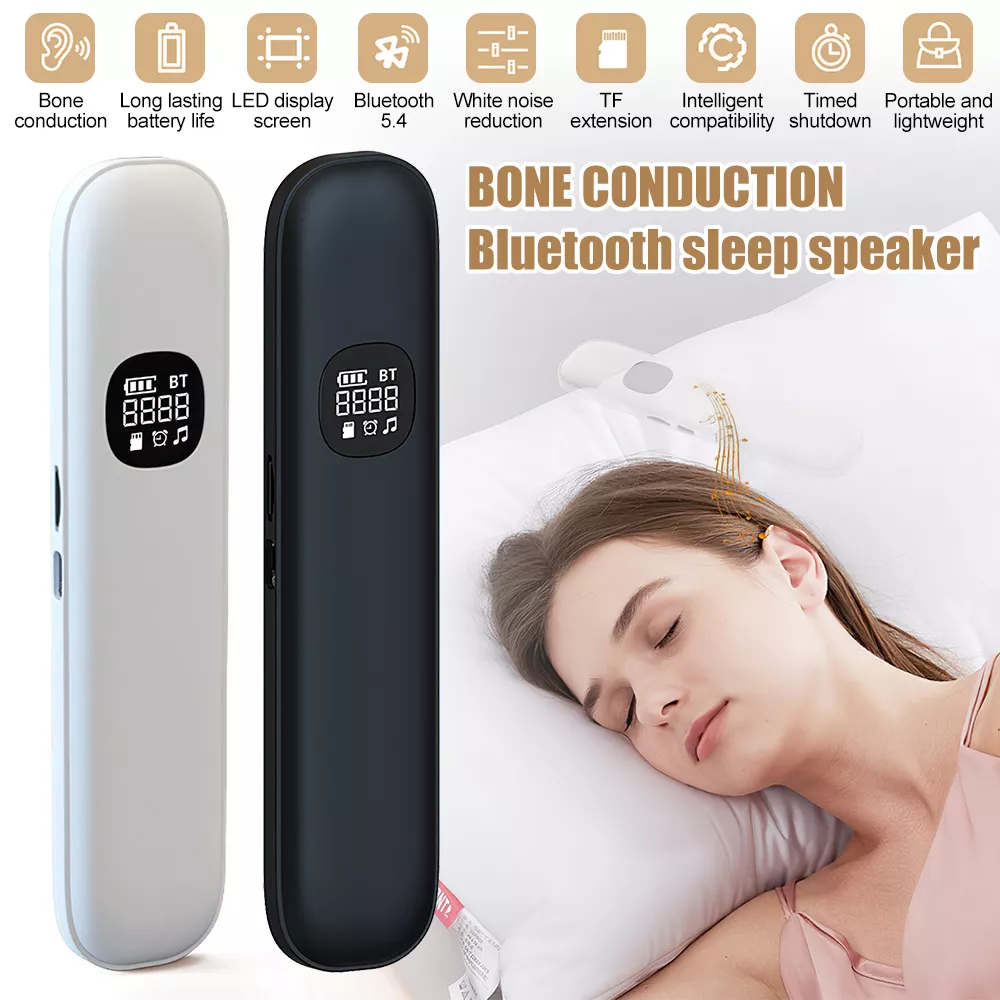
Noise is one of the fastest ways to wear down focus and patience. A good white noise machine can help cover street sounds, noisy neighbors, snoring, or household activity. It is one of the simplest tools for improving sleep, concentration, and privacy without remodeling a room.
Look for a model with consistent sound quality and enough volume range for your space. Machines with fan sounds, rain, or brown noise can be more pleasant than a single static setting. If you are sensitive to looping audio, this detail matters more than extra app features.
3. Smart lighting
Overhead lighting can be surprisingly stressful, especially at night. Smart bulbs and lamps let you lower brightness, warm up color temperature, and schedule lights to match your routine. That means brighter, cooler light when you need to focus and softer light when you want your brain to stop acting like it is still noon.
The convenience is part of the appeal, but the real value is environmental control. You can reduce friction by setting evening scenes, automating hallway lights, or using voice commands when your hands are full. If you want one smart home upgrade that feels useful quickly, this is often a strong starting point.

4. Robot vacuum
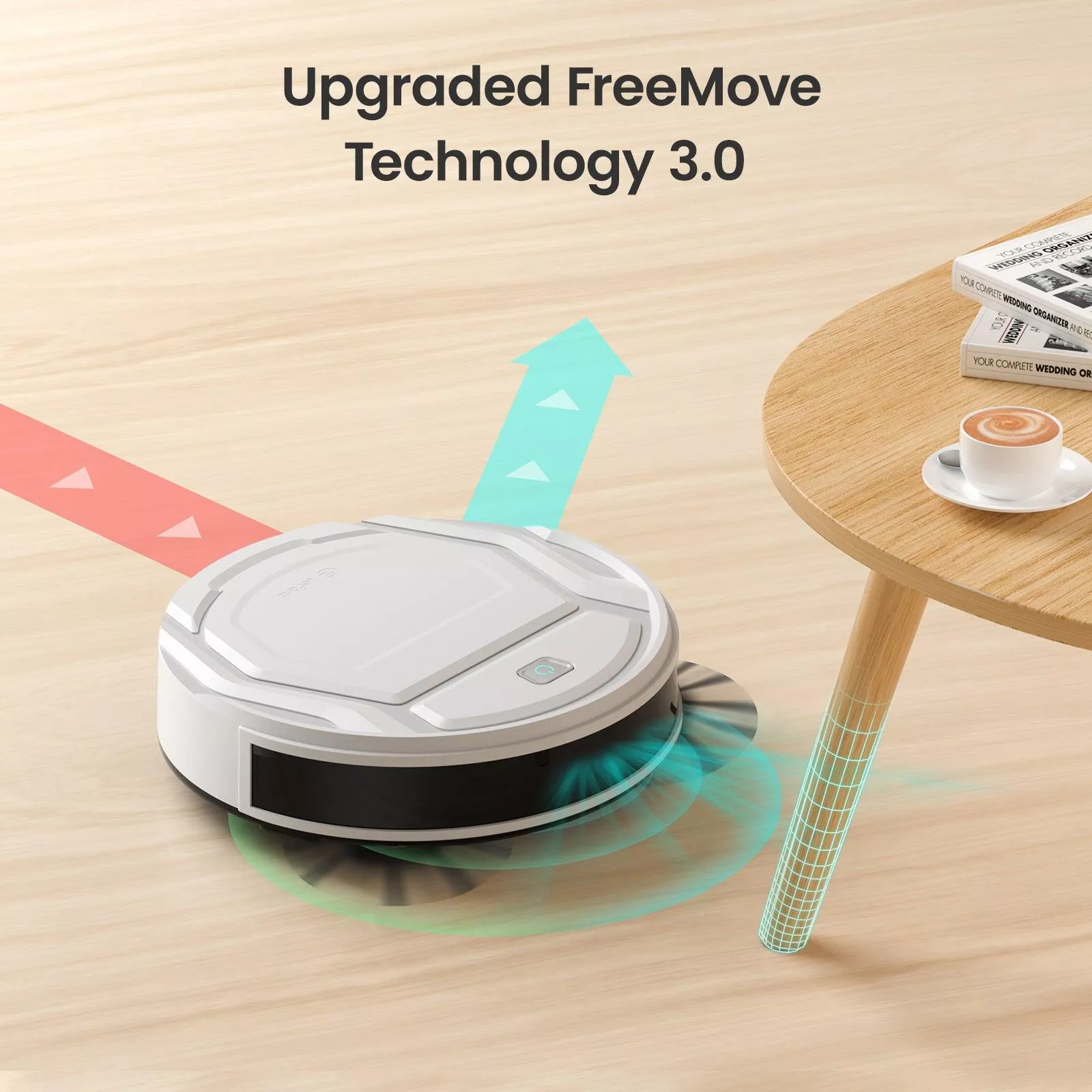
A messy floor creates a low-grade mental drag, even when you think you are ignoring it. A robot vacuum helps by handling a repetitive chore in the background. It will not replace deep cleaning, but it can keep dust, crumbs, and pet hair under control with less effort.
This is a practical stress reducer for pet owners, busy parents, and anyone who feels better in a tidy space but struggles to stay on top of daily upkeep. The caveat is that homes with lots of cords, very thick rugs, or complicated floor plans may need more prep work. The best experience comes from choosing a model that fits your layout, not just the highest-priced one.
5. Smart plug
Smart plugs are not glamorous, but they solve small problems that show up constantly. You can schedule lamps, coffee makers, fans, or seasonal lights, and you can switch devices off remotely if you forget. That tiny bit of control can cut out a surprising amount of second-guessing.
They also work well for people who want some smart home convenience without changing every device they own. If daily stress comes from mental load rather than physical discomfort, simple automation like this often punches above its price.

6. Heated massager or massage gun
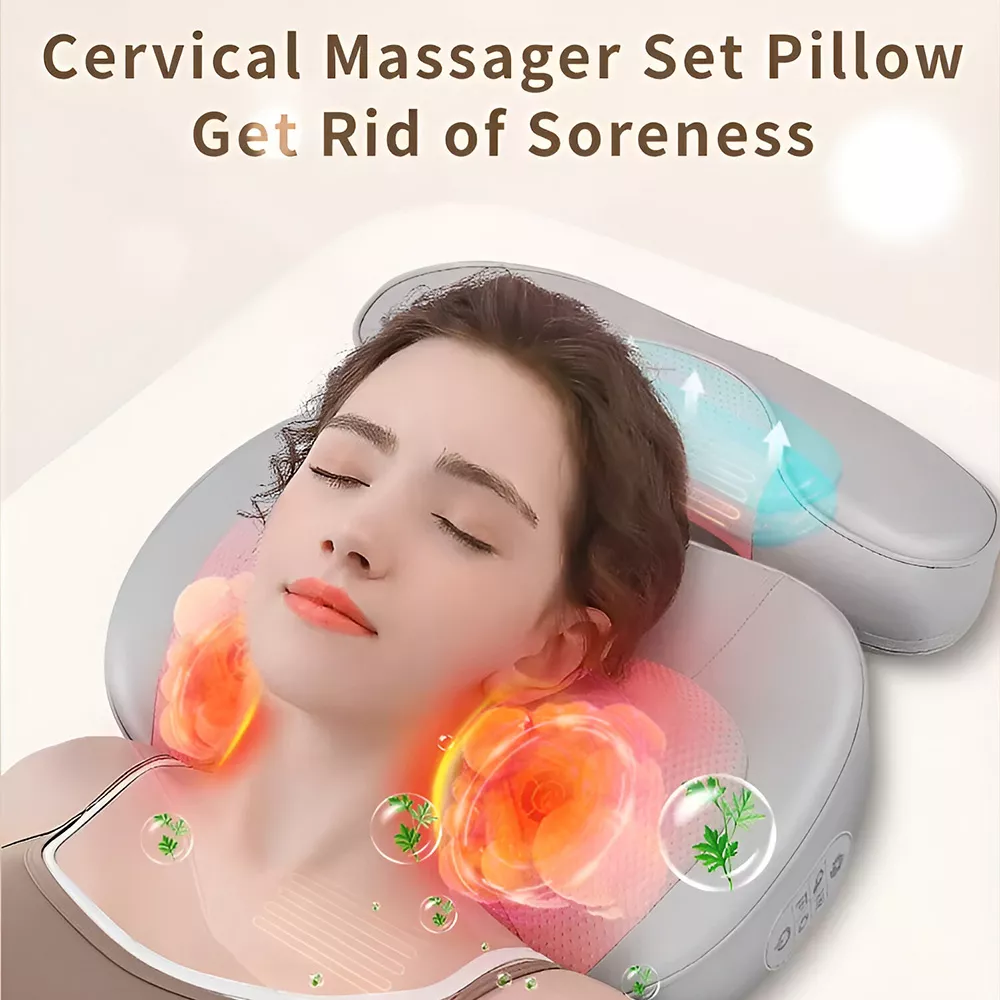
Physical tension has a way of spreading into everything else. A heated neck massager or a well-designed massage gun can help loosen shoulders, back muscles, and legs after work or exercise. For desk workers especially, muscle tightness often becomes part of the daily baseline.
The key is choosing something easy to use. If it is bulky, too intense, or complicated to charge, you may skip it. Heat can feel more soothing for general tension, while percussion tools may work better for people who want deeper muscle relief. It depends on whether your stress feels more like stiffness or soreness.
7. Wearable sleep or stress tracker
Not everyone benefits from more data, but some people feel less stressed when they can spot patterns instead of guessing. A wearable that tracks sleep, heart rate, or recovery can help connect bad mornings, poor sleep, late caffeine, or inconsistent routines.
This category comes with a real trade-off. For some users, metrics are helpful. For others, constant monitoring creates more anxiety. If you tend to obsess over numbers, skip it. If you like practical feedback and trend-based insights, it can be useful for building calmer habits.

8. Digital notebook or tablet for planning
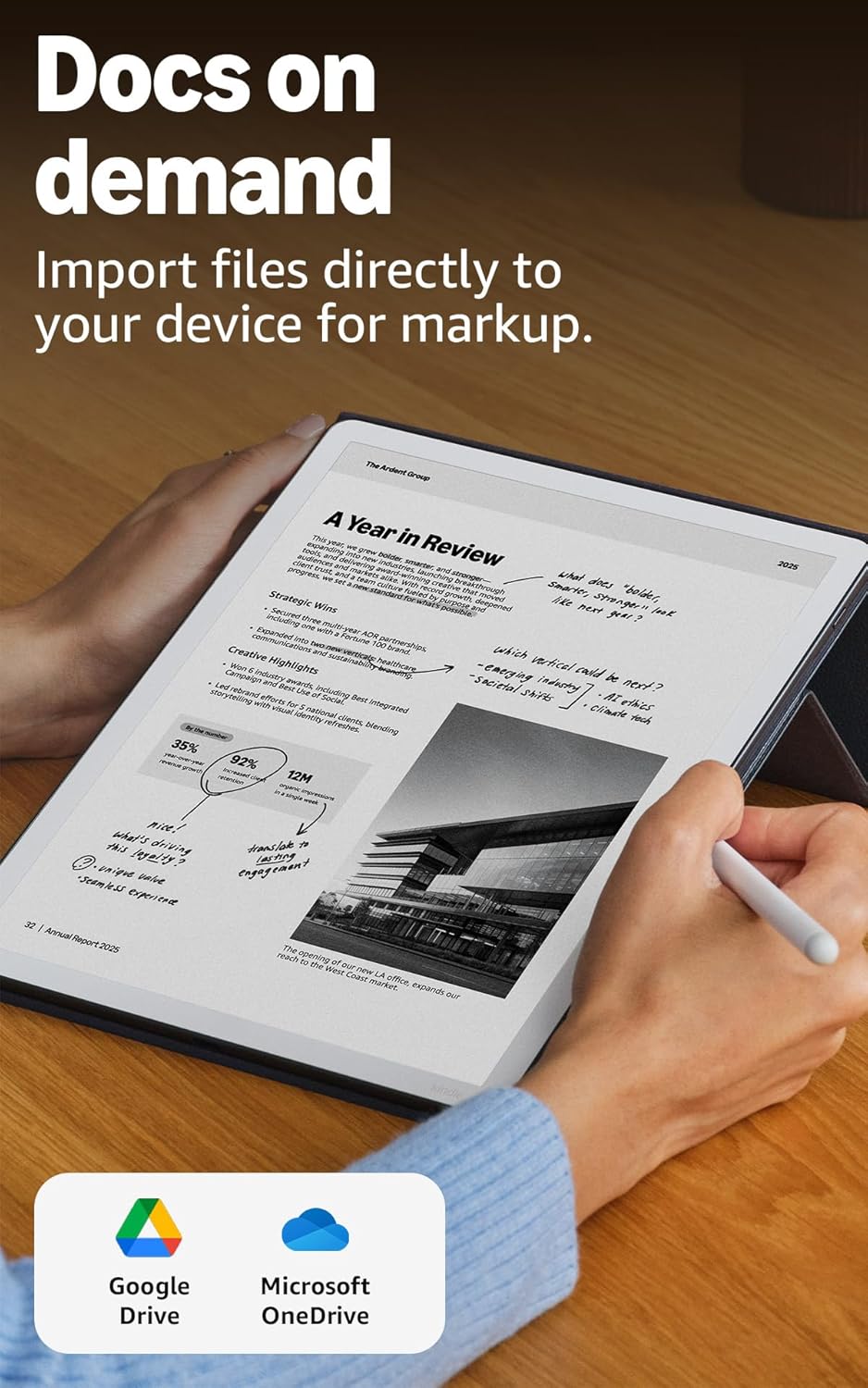
Paper planners are great until notes scatter across desks, bags, and phone apps. A digital notebook or e-ink writing tablet can reduce mental clutter by keeping lists, work notes, reminders, and ideas in one place without the distractions of a full laptop.
This can be especially valuable for professionals balancing meetings, errands, and home life. The best options feel simple and focused rather than trying to replace every device you own. If your stress comes from juggling too many loose ends, centralizing information is often more helpful than buying another productivity app.
9. Bluetooth tracker
Few things spike stress faster than losing keys when you are already late. A Bluetooth tracker is one of the easiest recommendation-led purchases because the benefit is immediate and obvious. Attach one to keys, a wallet, a work bag, or even a remote control, and you spend less time tearing through the house.
It is a small gadget, but it targets a specific daily pain point really well. For households with kids, shared vehicles, or packed schedules, that quick recovery can save both time and frustration.

10. Electric kettle with temperature control
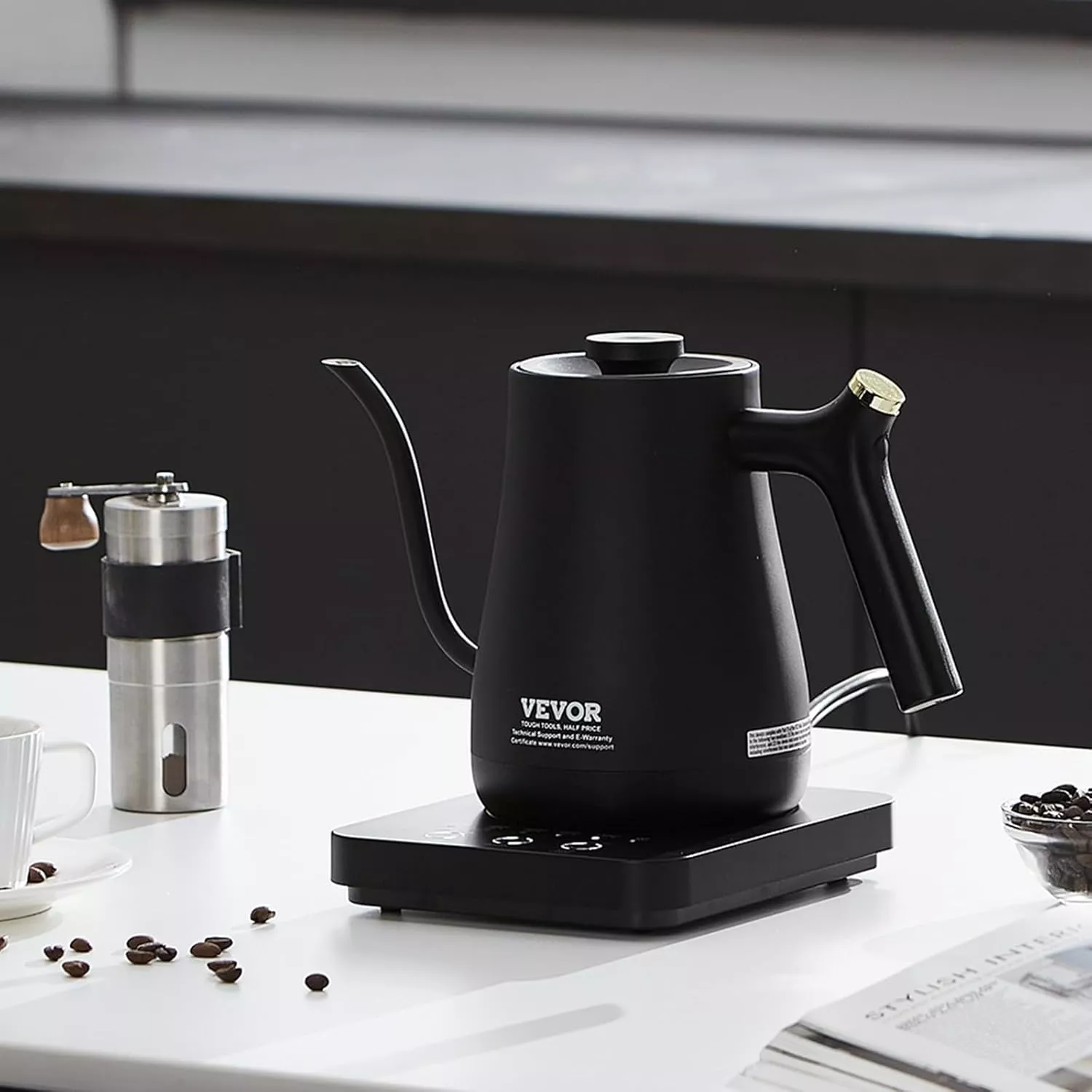
Stress reduction is not always about wellness gadgets in the obvious sense. Sometimes it is about making daily rituals easier and more consistent. An electric kettle with preset temperatures is a good example. It speeds up tea, pour-over coffee, oatmeal, and instant meals while removing some of the waiting and guesswork.
For people who rely on small reset moments during the day, convenience matters. A fast, reliable kettle can make breaks feel more accessible, which is often the difference between taking five minutes to regroup and pushing through in a bad mood.
11. Air purifier
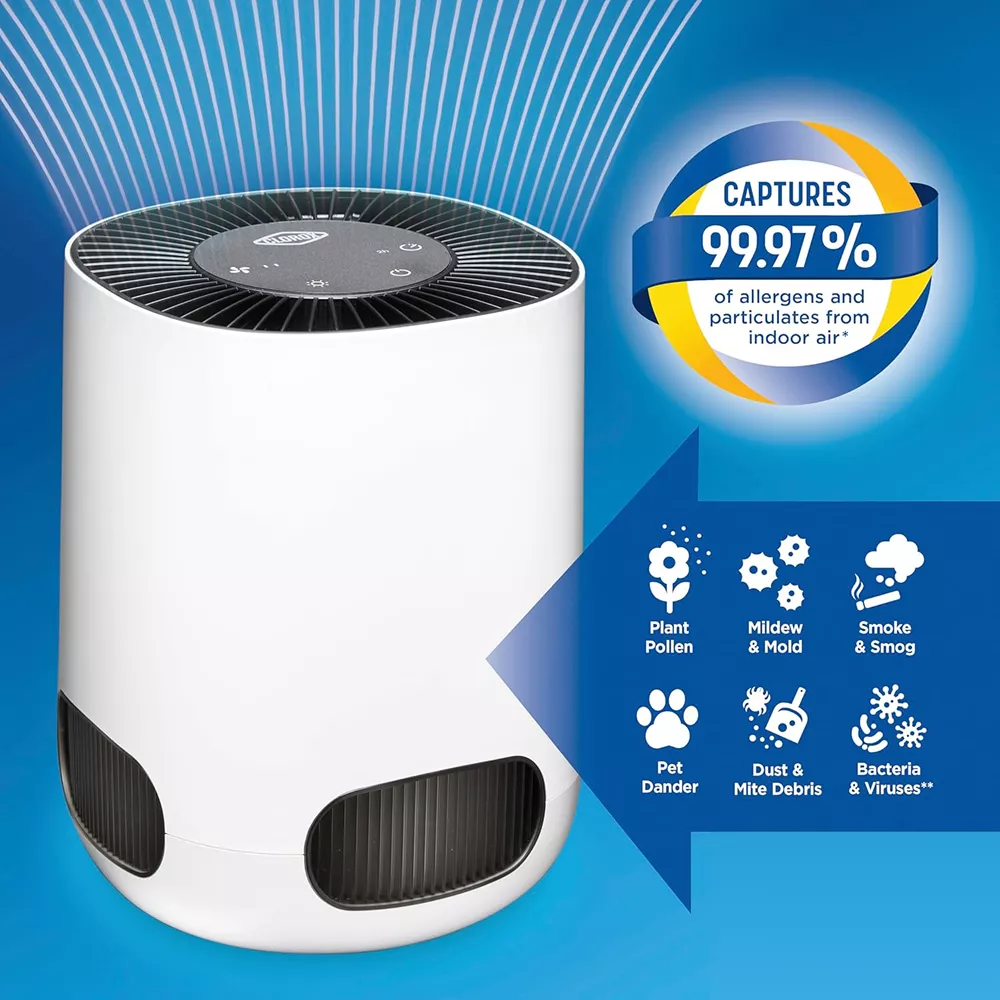
If your home feels stuffy, dusty, or full of seasonal irritants, an air purifier can improve comfort in a way that feels bigger than the product itself. Better air quality may support sleep, reduce irritation, and make bedrooms or home offices feel more restful.
The main thing to watch is sizing. A purifier that is too small for the room will disappoint, while a correctly sized model on an appropriate setting can quietly improve the atmosphere day after day. This is a strong choice when stress is tied to sleep quality, allergies, or urban living.
How to choose the right stress-reducing gadget for your routine
The smartest way to shop is to avoid buying for a vague idea of self-improvement. Buy for friction. If mornings are chaotic, focus on lighting, alarms, or coffee-related tools. If evenings feel overstimulating, think about white noise, air quality, or massage devices. If your stress comes from forgetfulness and clutter, trackers, robot vacuums, and digital planning tools will probably do more than any wellness trend.
It also helps to think about maintenance. A gadget that needs frequent charging, app troubleshooting, filter replacements, or complicated setup can become its own annoyance. At PO-Store, that is usually where the gap appears between a product that sounds promising and one that actually earns a place in your routine.
Price matters too, but not in the way most roundup lists suggest. The cheapest option can feel wasteful if it does not work well enough to keep using. The most expensive option can be just as wasteful if you only need one core feature. Good buying decisions usually come from matching the product to the stress point, not chasing the biggest feature list.
There is no single device that fixes a stressful life, and that is actually good news. Relief usually comes from smaller improvements that stack up – sleeping a bit better, searching less, cleaning less often, waking up more gently, and feeling more in control of your space. Start with the problem that bothers you most, and the right gadget will feel less like a purchase and more like a daily exhale.


Pingback: Smart LED Strip Lights That Impress Without Breaking the Bank | PO‑Store
Pingback: 9 Best Under Sink Water Filters | PO‑STORE
Pingback: Air Purifier for Pets Guide: What to Buy | PO‑STORE