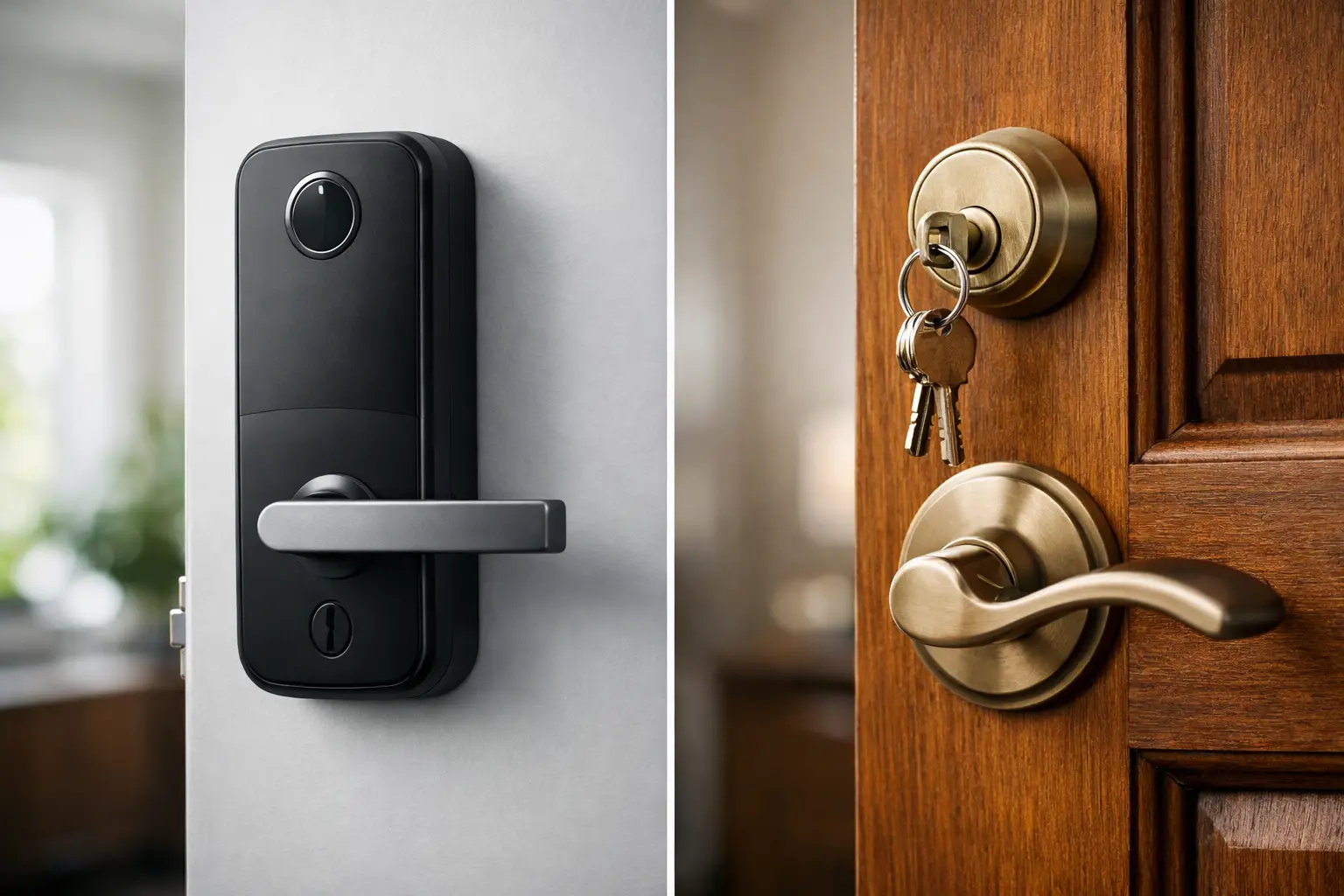
A front-door lock has one job that matters more than its feature list: it needs to protect your home without making everyday life harder. In the smart lock vs traditional deadbolt decision, the better choice is rarely about whether technology is good or bad. It comes down to your door, household routines, comfort with connected devices, and the kind of access problems you want to eliminate.
A traditional deadbolt offers familiar, mechanical simplicity. A smart lock can replace spare keys, make guest access easier, and tell you whether the door is locked. Both can be sensible choices. The key is looking past the sales pitch and comparing how each one performs in the real moments that happen at home.
Smart Lock vs Traditional Deadbolt at a Glance
Traditional deadbolts use a physical key and a thumb turn. Their biggest strengths are affordability, broad compatibility, and low maintenance. If the lock is properly installed and the key is in your possession, there are few moving parts to think about.
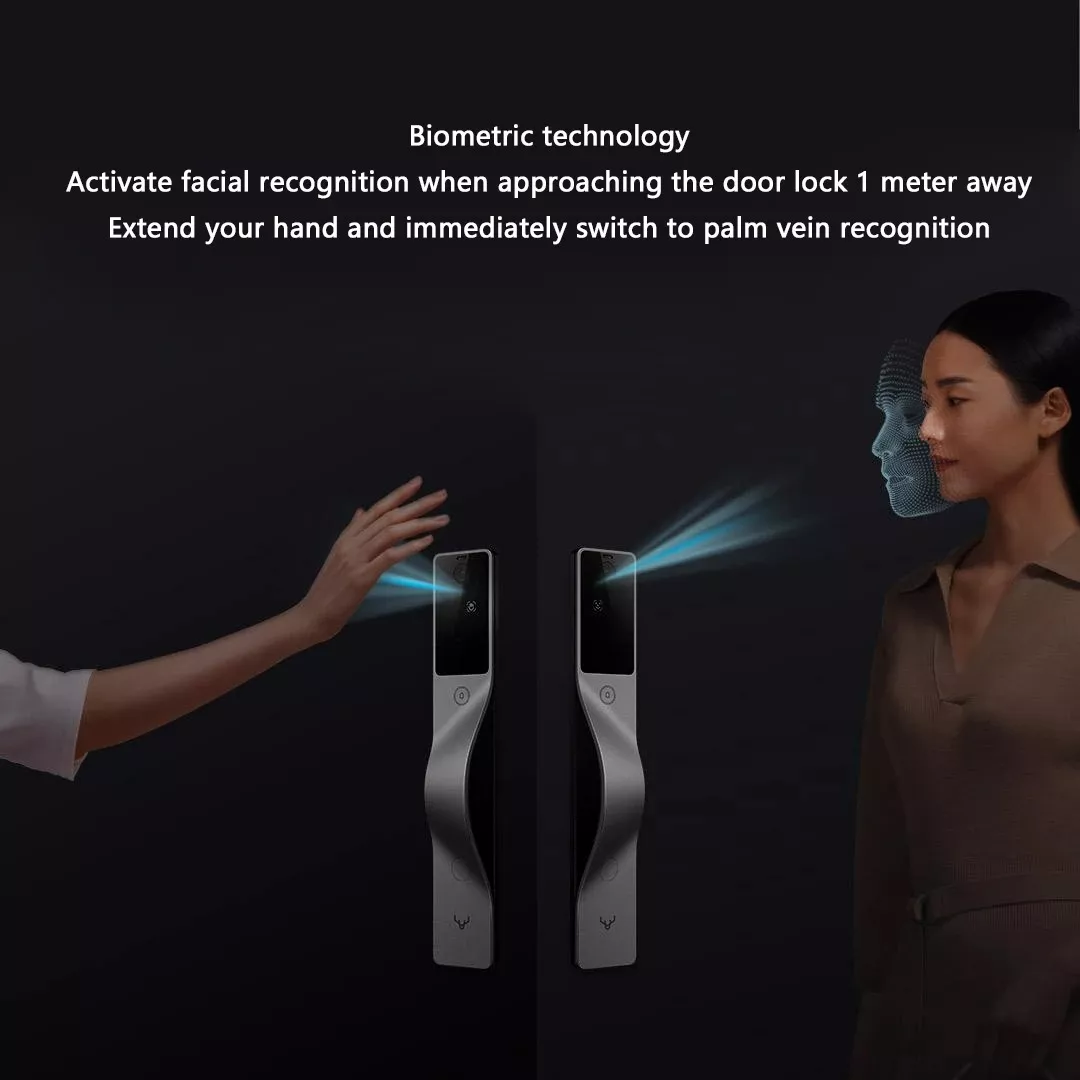
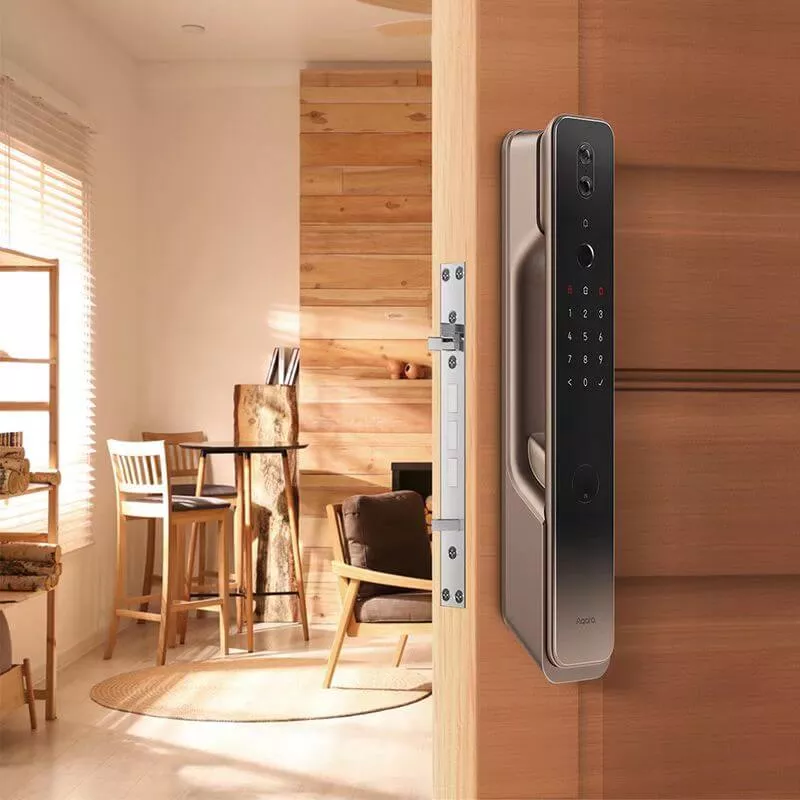
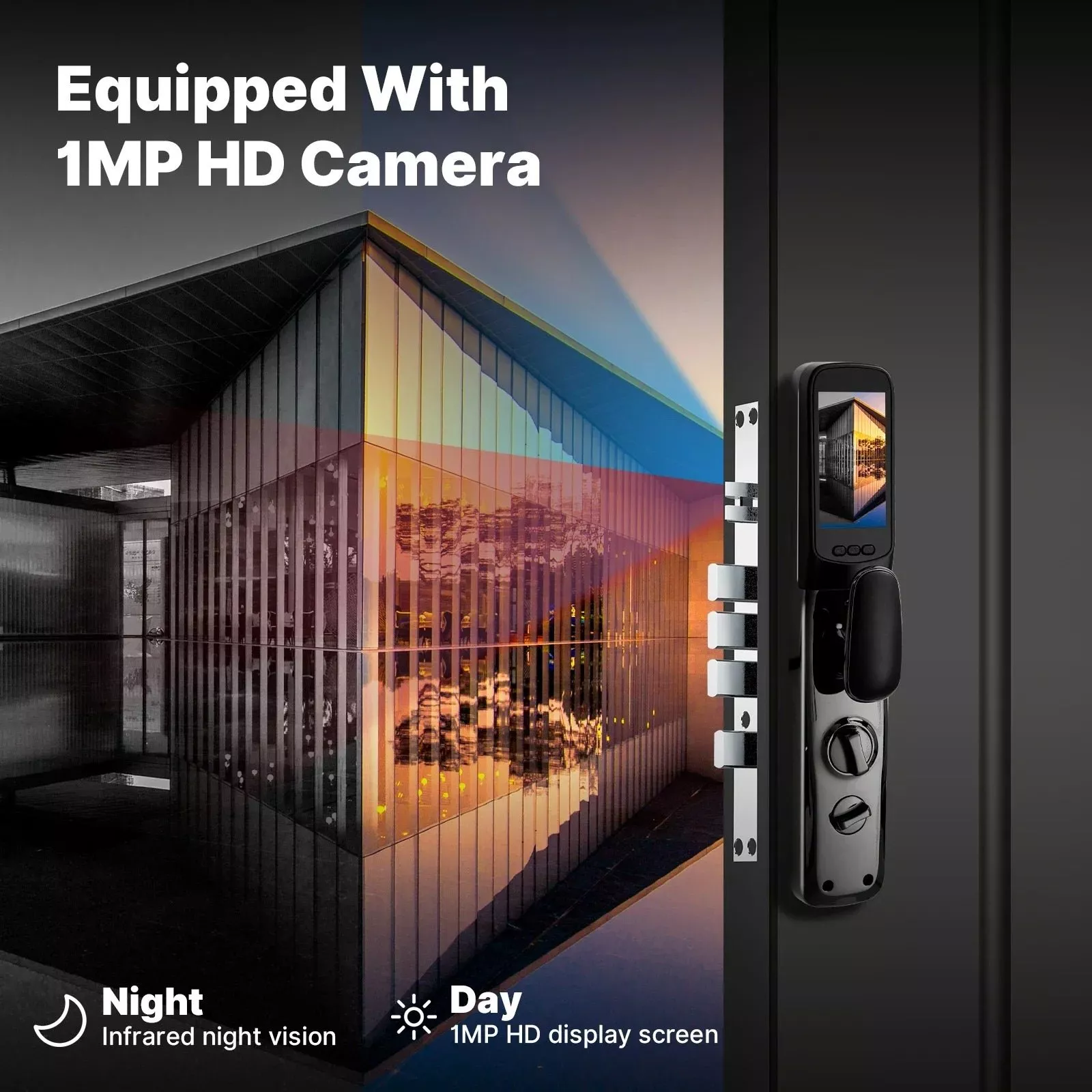
Smart locks add electronic access through a keypad, phone app, fingerprint reader, key fob, or some combination of these. Many still accept a physical key, while retrofit models sit on the inside of the door and use your existing exterior hardware. Depending on the model, you can create temporary codes, receive activity alerts, lock the door remotely, or have it lock automatically after you leave.
That convenience does not automatically make a smart lock more secure. Likewise, a traditional lock is not inherently safer simply because it is mechanical. The strength of either option starts with the deadbolt, strike plate, door frame, and installation quality.
Security Depends on Hardware First
A smart lock with weak hardware is not a security upgrade. Look for a deadbolt with a recognized ANSI/BHMA grade, ideally Grade 1 or Grade 2 for a primary exterior door. This rating speaks to physical durability and resistance to forced entry, which matters more than whether the lock has Bluetooth or Wi-Fi.
The same rule applies to traditional deadbolts. A quality lock should have a solid bolt that extends deeply into the door frame, a reinforced strike plate, and screws long enough to reach the wall framing. A premium lock installed into a flimsy frame still leaves a weak point.
Smart locks introduce a second layer of security: digital account protection. A reliable model should support two-factor authentication for its app account, encrypted communication, and regular firmware updates. Use a unique password, keep the app updated, and remove access codes for former roommates, contractors, or house sitters as soon as they no longer need them.
For some households, access logs are a meaningful advantage. You can confirm that a child arrived home, see when a dog walker entered, or check whether the door was secured after a rushed morning. That is useful visibility, not a substitute for a strong door and lock.
Where Smart Locks Make Daily Life Easier
Smart locks earn their higher price when key management is a recurring hassle. A keypad lets family members come and go without carrying keys. Temporary codes are more practical than copying a key for a guest, cleaner, cleaner, or visiting relative. When their visit ends, you delete the code rather than wondering whether your spare key is still circulating.
Remote control can be equally helpful, but it is not essential for everyone. If you regularly leave home second-guessing whether you locked the door, an app can provide reassurance. Auto-lock settings are convenient for busy households, although they should be configured carefully. You do not want the door to lock while you are taking out trash or bringing in groceries without your phone or keys.
Smart locks can also fit well with a broader smart-home setup. A lock may work with voice assistants, security systems, or routines that turn on entry lights when someone arrives. These extras are nice, but shoppers should treat them as bonuses. The core experience should be easy and dependable even if the internet is down.
Why a Traditional Deadbolt Still Has a Strong Case
A traditional deadbolt is the right answer for many doors because it is uncomplicated. There is no app to maintain, no battery alert to heed, no wireless connection to troubleshoot, and no question about which household member has administrative access. Turn the key, turn the thumb piece, and the door is locked.
This simplicity can be especially appealing for rental properties, secondary doors, older family members who prefer familiar hardware, or homeowners who do not need remote access. A quality traditional deadbolt also costs considerably less than a well-made smart lock, leaving room in the budget for improvements such as a reinforced strike plate or better exterior lighting.
Mechanical locks are not maintenance-free, though. Keys can be lost, copied, bent, or left with people who no longer need access. Rekeying is manageable, but it takes time and usually costs more than deleting a smart-lock code. If you have several people coming through your home each week, that old-fashioned convenience can become a real friction point.
Battery Life, Outages, and Backup Access
Battery anxiety is one of the most common reasons shoppers hesitate to buy a smart lock. It is a fair concern, but a good lock is designed around it. Most models run for months on standard batteries and provide repeated low-battery warnings through the lock itself, the app, or both.
Still, choose a backup method before you buy. Some smart locks have a physical keyway. Others offer emergency power contacts that let you briefly connect a 9-volt battery from the outside to power the keypad. A few rely entirely on a phone or keypad, which can work well but requires more trust in the device and your routines.
A power outage usually does not prevent a battery-powered smart lock from locking or opening locally. What may stop working is remote control or cloud-based alerts, particularly if your home Wi-Fi is also offline. Bluetooth access and a keypad may continue to work, depending on the model.
Traditional deadbolts avoid all of this, but they have their own backup problem: a lost key. Keep a thoughtfully managed spare key, not one hidden under a doormat or flowerpot. If you choose a smart lock, keep its backup key or emergency-power plan somewhere you can actually use when needed.
Installation and Compatibility Can Decide the Purchase
Before choosing either lock, measure your door. Check the door thickness, backset, borehole size, and the clearance between the lock and any screen door, trim, or decorative handle. Smart locks tend to be bulkier on the interior side, so a tight entryway can affect fit.
Many smart locks are designed for DIY installation and take less than an hour on a standard door. But alignment matters. If the bolt rubs against the strike plate, the motor has to work harder, batteries drain faster, and the lock may fail to operate consistently. Test the deadbolt with the door open and closed before treating installation as finished.
A retrofit smart lock can be a smart middle ground for renters or anyone who wants to keep an existing exterior keyway. You gain app or keypad-style control inside the home while preserving the outside appearance and, in some cases, the existing key. Always check lease rules before changing exterior hardware.
Cost: Look Beyond the Purchase Price
Traditional deadbolts are generally the lower-cost option, especially when you choose a dependable Grade 2 model and install it yourself. Smart locks cost more upfront, and Wi-Fi connectivity, fingerprint access, or built-in keypads can raise the price further.
The better value depends on usage. For a single-person household that rarely hosts guests, a traditional deadbolt may deliver everything needed for less. For a family juggling school schedules, service appointments, and shared access, a smart lock can save enough time and key-related frustration to justify the added cost.
Also check whether a smart lock requires a separate bridge for remote access, has optional subscriptions for advanced alerts, or depends on a particular smart-home platform. The best purchase is one that delivers the features you will actually use without adding recurring costs you did not expect.
Which Lock Should You Choose?
Choose a traditional deadbolt if your priority is straightforward, low-cost physical security and you are happy managing keys. It is also the better fit when your door has unusual dimensions, your household prefers no apps, or you want the fewest possible points of failure.
Choose a smart lock if controlled access is part of your everyday routine. It makes the most sense for families, frequent hosts, caregivers, rental owners, and anyone tired of spare keys. Prioritize a well-rated deadbolt, reliable backup access, simple code management, and security settings that you understand.
For many homes, the practical answer is not choosing technology over security. It is choosing a quality lock, installing it correctly, and selecting the level of access control that makes your front door easier to manage. A lock should fit your life well enough that using it securely becomes the effortless habit.

Discover our smart locks at PO‑Store today!
FROM THE BLOG