A portable power station can look like a simple box with outlets until you realize one model will keep your fridge alive during an outage and another will barely handle a laptop and a lamp. That gap is exactly why a portable power station buying guide matters. The right pick saves money, covers your real needs, and avoids the common mistake of paying for capacity or features you will never use.
What a portable power station actually does
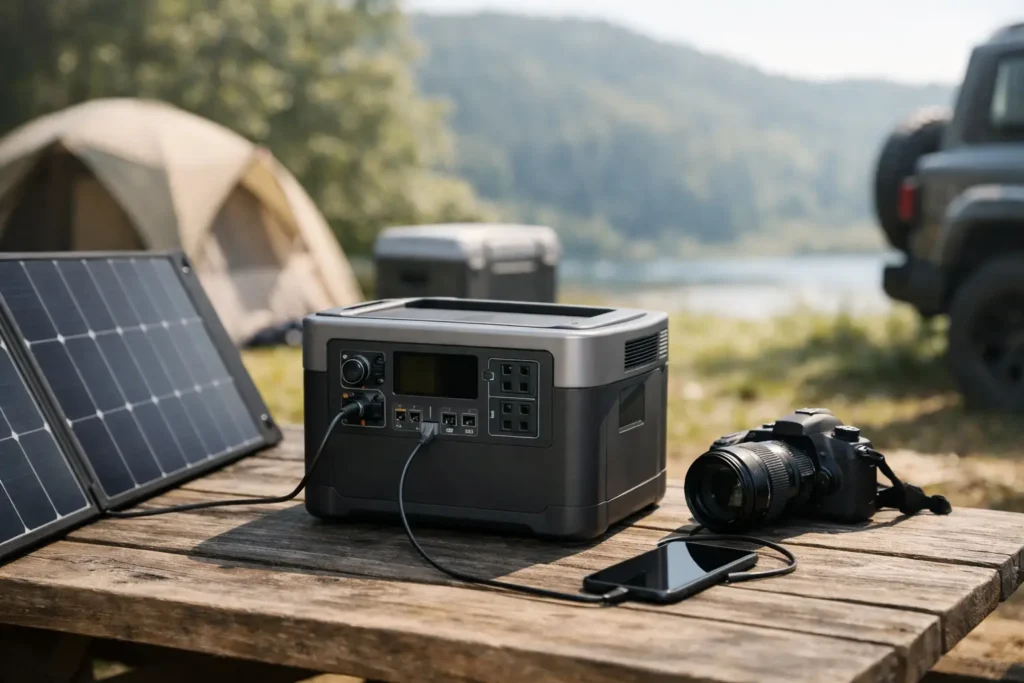
A portable power station is a rechargeable battery pack with built-in ports and outlets. It stores electricity and lets you use it later for phones, laptops, routers, lights, CPAP machines, small appliances, and in some cases larger household gear. Unlike a gas generator, it does not need fuel, it runs quietly, and it is safe to use indoors.
That sounds straightforward, but the category gets confusing fast. Brands love big claims about wattage, fast charging, and solar readiness. Those specs do matter, but only when they match the way you plan to use the unit. For most shoppers, the best place to start is not the product page. It is your own use case.
Start with how you plan to use it
The best portable power station for an apartment blackout is not always the best one for weekend camping or van travel. If you mainly want backup for a phone, Wi-Fi router, a few lights, and maybe a laptop, you can stay smaller and more affordable. If you want to run a mini fridge, power tools, or a coffee maker, you need much more battery capacity and a higher inverter rating.
This is where many buyers overspend. They shop by the biggest number they see, assuming more is always better. Bigger units do offer more flexibility, but they are heavier, pricier, and slower to move around. If portability matters, a 20-pound unit that you can actually grab with one hand may serve you better than a 70-pound model that stays parked in a closet.
Portable power station buying guide: the specs that matter most
Battery capacity tells you how long it will last
Capacity is usually listed in watt-hours, or Wh. Think of this as the size of the fuel tank. A higher watt-hour rating means the station can run devices longer before it needs a recharge.
For light use, around 200 to 300Wh can cover phones, tablets, camera gear, and maybe a laptop. Around 500 to 1000Wh is where power stations become more useful for home backup and longer trips. Once you get beyond 1000Wh, you are in serious backup territory, but cost and weight rise quickly.
Real-world runtime is never exact because efficiency losses happen. If a power station says 500Wh, you will not get the full 500Wh out of the AC outlets. Some energy is lost in conversion. That is normal, so leave a little margin instead of shopping to the exact number.
Output wattage determines what it can run
If capacity is the tank, wattage is the engine. Output wattage tells you how much power the station can deliver at one time. A unit with a 300W inverter may be fine for charging electronics and running a fan, but not for a microwave or space heater.
This is where appliance startup matters. Some devices, especially those with motors or compressors, need a surge of power when they first turn on. A power station may list both running watts and surge watts. You need enough for both, or the unit may shut off.
For many shoppers, a safe rule is to list the two or three biggest things you want to run, then check both their running demand and startup demand. If your main goal is emergency comfort, a station that handles your router, lamp, phone chargers, and a small cooler can be more useful than one oversized around a hypothetical use you rarely have.
Battery chemistry affects lifespan and value
Most newer, better models use LiFePO4 batteries. Older or cheaper ones may use standard lithium-ion chemistry. The difference matters.
LiFePO4 usually lasts longer, handles more charge cycles, and offers better long-term value. It is often heavier, but for backup power and frequent use, that trade-off is usually worth it. If you expect to use your power station often, not just once or twice a year, LiFePO4 is a feature worth prioritizing.
Charging speed changes the ownership experience
A power station that takes 10 hours to recharge can feel much less useful than one that fills up in under 2 hours. Wall charging speed matters, especially for outage prep or frequent travel.
Solar charging is also attractive, but this is one area where marketing gets ahead of reality. Yes, solar input can be genuinely helpful for camping, RV travel, and extended emergencies. But recharge times depend on panel size, weather, angle, and daylight conditions. Solar-ready is good. Relying on solar alone without understanding the limits is where buyers get disappointed.
Ports and features that are worth paying for
Most buyers do not need every feature on the box. They do need the right mix of ports and a design that fits daily use.
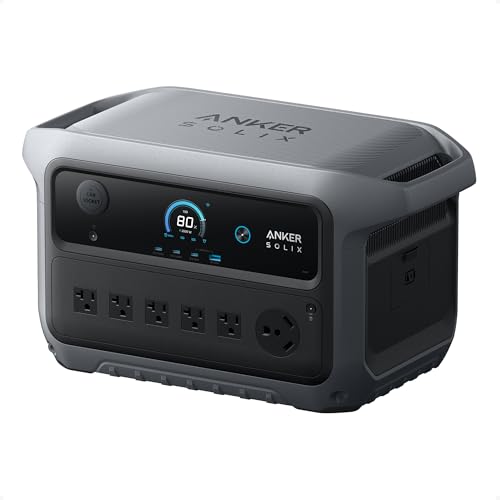
AC outlets matter most for household backup. USB-C with strong output is valuable if you charge newer laptops and phones. A 12V car port still matters for road trips and some outdoor gear. If you want to charge several devices at once, pay attention not just to the number of ports but to total output.
A clear display is more useful than it sounds. Being able to see input, output, battery percentage, and estimated runtime helps you avoid surprises. Built-in lights can be handy during outages, though they are rarely a buying decision by themselves. App control is convenient, but not essential for most people.
Size, weight, and noise are part of the decision
One reason people switch from gas generators to portable power stations is convenience. But convenience disappears if the unit is too heavy to move where you need it.
Before buying, think about where it will live and who will carry it. A compact station for the car, campsite, or upstairs bedroom solves a different problem than a larger unit meant to sit near your kitchen during outages. Some premium models include wheels or telescoping handles, which can make a big difference once capacities climb.
Noise is another overlooked factor. Portable power stations are much quieter than gas units, but cooling fans can still kick on under heavy load or while fast charging. If you plan to use one in a bedroom, office, or tent, that detail matters.
The most common buying mistakes
The biggest mistake is buying based on brand hype instead of actual needs. The second is misunderstanding what high-draw appliances require. Hair dryers, electric kettles, toaster ovens, and space heaters can drain even large stations quickly. Just because a unit can technically run them does not mean it is a smart everyday match.
Another common mistake is ignoring recharge options. If you live in an area with frequent outages, fast wall charging is a practical advantage. If you camp often, car charging and solar compatibility may matter more. The best purchase is usually the one that fits your routine, not the one with the longest feature list.
How to choose the right portable power station for your life
If you want a simple way to narrow the field, match the power station to one of three roles. For personal electronics and short trips, choose compact capacity, low weight, and good USB-C options. For home backup essentials, prioritize enough battery capacity for your router, lights, phones, and maybe refrigeration support. For outdoor, van, or RV use, balance size with solar input, durable battery chemistry, and enough AC output for your gear.
This recommendation-led approach is usually the smartest one because it cuts through spec overload. At PO-Store, we see the same pattern across electronics and home gear: shoppers are happiest when they buy for the real job, not the imaginary future scenario every product box wants to sell.
Price matters, but value matters more. A cheaper station that cannot power what you need is not a deal. A premium one with capacity you never use is not a smart upgrade. The sweet spot is the model that handles your must-haves comfortably, recharges in a reasonable time, and is easy enough to use that you will actually keep it ready.
A good portable power station should make life easier when the power goes out or when you want power away from home. If you shop with your actual devices, realistic runtimes, and portability needs in mind, the right choice tends to become much clearer.





Pingback: Air Purifier Versus Humidifier Explained | PO‑Store
Pingback: Amazon Prime vs Walmart Plus: The Honest 2026 Comparison | PO‑Store