

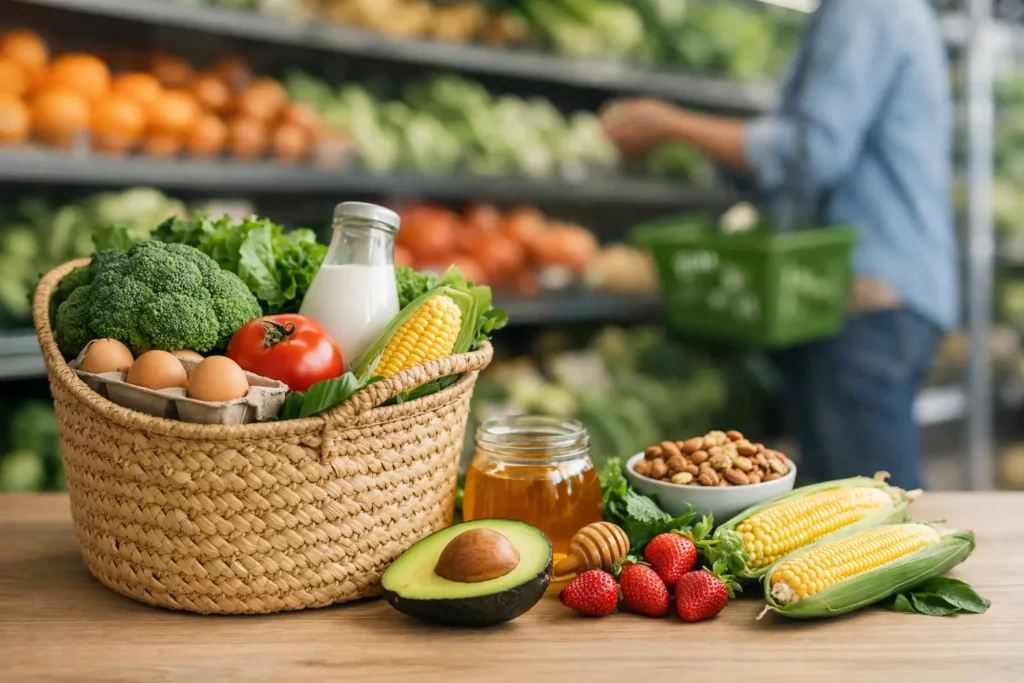
If your grocery cart has ever stalled out in the cereal aisle because one box says natural, another says organic, and a third says non-GMO, you are exactly who this non gmo food shopping guide is for. The goal is not to turn every grocery run into a research project. It is to help you make faster, clearer decisions without falling for packaging that sounds healthier than it really is.
For most shoppers, the confusion starts with one basic question: what are you actually buying when a product says non-GMO? In simple terms, it means the food was made without genetically modified organisms, or without ingredients derived from them, based on a defined standard. That matters to some households because they want to avoid certain agricultural practices, prioritize ingredient transparency, or follow a broader wellness routine that feels more intentional.
What a non gmo food shopping guide should help you do
A useful shopping guide should narrow the field, not add more noise. When you are choosing between pantry staples, snacks, oils, cereals, and packaged foods, the best approach is to know which labels matter, which product categories deserve the closest look, and where trade-offs are worth making.
That last part matters. Non-GMO does not automatically mean healthier, more nutritious, or less processed. A non-GMO cookie is still a cookie. On the other hand, if your priority is avoiding genetically modified ingredients where they commonly appear, the label can still be meaningful. Smart shopping starts when you separate ingredient standards from overall nutrition.
Start with the labels that actually tell you something
Not every front-of-package claim deserves your trust. Some are tightly defined. Others are mostly marketing.
The most useful shortcut is a third-party verified non-GMO label. That tells you the product has met a specific standard rather than simply making a vague brand claim. If the package only says made with non-GMO ingredients, read more carefully. That wording can be legitimate, but it may also be narrower than it looks, especially if only certain ingredients are being highlighted.
Organic is another label shoppers often use as a shortcut. In the US, certified organic products cannot be made with genetically modified ingredients, so organic can also help you avoid GMOs. But organic and non-GMO are not identical. Organic also covers farming practices, synthetic pesticides, and other production rules. Non-GMO is more focused. If you care about the broader farming standard, organic may be the better fit. If you are mainly trying to avoid genetically modified ingredients while keeping costs down, non-GMO products can be a more flexible option.
Natural, clean, wholesome, and similar language should not carry much weight in your decision. Those terms sound reassuring, but they usually do not give you a reliable standard to shop by.
Know which foods deserve the closest attention
You do not need to scrutinize every apple, bag of rice, or carton of plain oats with the same intensity. Some categories are simply more likely to contain genetically modified ingredients or derivatives.
Packaged foods made with corn, soy, canola, sugar beets, and vegetable oils are often where shoppers focus first. That includes snack foods, cereals, protein bars, salad dressings, frozen meals, crackers, and processed condiments. If you are trying to reduce GMO exposure in practical ways, these are the aisles where label-reading pays off fastest.
Whole foods are usually easier. Fresh fruits and vegetables, beans, grains, nuts, eggs, and plain meats give you less label confusion because there are fewer ingredients to decode. That does not mean every whole food choice is automatically non-GMO, but it does mean your shopping becomes simpler when more of your cart comes from minimally processed staples.
There is also an efficiency point here. If your budget is limited, focusing your non-GMO efforts on heavily processed foods with corn- and soy-based ingredients often gives you the biggest shift without requiring a full pantry reset.
How to read an ingredient list without overthinking it
The front label gets attention. The ingredient panel tells the real story.
When you scan a package, look first for obvious high-risk ingredients such as corn syrup, corn starch, soy protein, soy lecithin, canola oil, and generic vegetable oil blends. On their own, these ingredients do not confirm a product contains GMO-derived material, but they do signal that a non-GMO certification is worth checking if this is important to you.
Shorter ingredient lists can help, but shorter is not always better. A five-ingredient snack made with refined starches and added sugar is still highly processed. The better question is whether the ingredients are recognizable, relevant to the food, and supported by a credible label if the brand is making a non-GMO claim.
It also helps to ignore distracting callouts on the front of the package if they are not backed by the ingredient list. A product can spotlight one non-GMO ingredient while the rest of the formula is less clear. That is why the full label matters more than a single badge or slogan.
Organic vs non-GMO: which one should you buy?
This is where shopping advice needs a little nuance. For some households, certified organic is the easiest all-in-one shortcut. If you want to avoid GMOs and also care about broader production standards, it covers more ground.
But organic products often cost more, and not every category justifies that premium equally. If you are buying packaged snacks for kids’ lunches, pantry basics for weeknight meals, or convenience foods you use often, a non-GMO option may be the better value. You still align the product with your priorities without pushing your grocery bill higher than it needs to go.
A practical middle ground works well for many shoppers. Choose organic for a few categories you care about most, such as dairy, eggs, or certain produce, and use non-GMO verified products for packaged goods where organic prices feel harder to justify. That approach is less all-or-nothing, and it is usually more sustainable over time.
Price matters, so shop for patterns instead of perfection
Trying to convert every product in your kitchen overnight is the fastest way to overspend or give up. A better strategy is to identify repeat purchases first.
Start with the items you buy every week or every month. Breakfast cereal. Tortilla chips. Cooking oil. Peanut butter. Granola bars. Salad dressing. If you find reliable non-GMO versions of your top 10 repeat buys, you simplify future shopping and reduce decision fatigue right away.
Store brands can also be worth a closer look. Many now carry clearly labeled organic or non-GMO lines that cost less than premium wellness brands. The packaging may be less flashy, but the value can be better. For a recommendation-led shopper, that is the sweet spot: credible standards without paying extra for branding theater.
Buying fewer ultra-processed foods can also offset the price difference. If you spend slightly more on a better cereal but skip three impulse snack purchases, your total bill may even out.
Common shopping mistakes to avoid
One of the biggest mistakes is assuming non-GMO equals healthy. It does not. If nutrition is part of your goal, keep checking added sugar, sodium, fiber, and protein. The smartest buy usually satisfies both standards – a product with ingredients you feel good about and nutrition that makes sense for your routine.
Another mistake is trusting every reassuring phrase on the package. Claims like farm fresh, simple, or pure are not substitutes for certification or a clean ingredient list.
The last mistake is making the process too rigid. Not every shopping trip needs a perfect scorecard. Sometimes the best available option in your price range is good enough. Consistency matters more than purity tests.
A practical non gmo food shopping guide for real life
The easiest way to shop with confidence is to build a repeatable filter. First, decide where non-GMO matters most in your household. Second, prioritize packaged foods that commonly use corn, soy, canola, and similar ingredients. Third, look for credible third-party verification or certified organic labeling. Fourth, check the ingredient panel before trusting the front of the box.
That is usually enough to make better decisions without spending half your afternoon comparing labels.
If you want an even simpler rule, keep more of your cart centered on basic foods and be selective about packaged products you buy on repeat. That approach does not just make non-GMO shopping easier. It makes grocery shopping easier, period.
The best grocery strategy is the one you can keep using when life gets busy. Shop for clarity, not perfection, and your cart will start reflecting your standards without requiring a full-time label detective.

Pingback: Best Energy Boosting Wellness Products | PO‑Store.com
Pingback: What Does Non GMO Mean for Grocery Shoppers? | PO‑STORE