A bidet can feel like one of those upgrades people rave about after the fact, right alongside blackout curtains and a good mattress. But is a bidet worth it when you factor in the purchase price, installation, bathroom layout, and the reality of sharing one toilet with a whole household? For many American homes, the answer is yes – particularly if you want a cleaner, more comfortable routine without committing to a major bathroom remodel.
The right answer depends less on whether bidets are “luxury” items and more on what you value: better personal hygiene, less toilet paper, a gentler option for sensitive skin, or simply a more pleasant bathroom experience. Here is the practical case for and against making the switch.
Is a bidet worth it for the average household?
For most households, an affordable bidet attachment or bidet seat is worth considering because it delivers a noticeable everyday benefit at a relatively manageable cost. Unlike a bathroom upgrade you admire only when guests visit, a bidet is something you use daily. The value builds through repeated use.
A bidet uses a controlled stream of water to clean after using the toilet. That basic function can reduce the need for wiping, which many people find cleaner and less irritating. It can also cut toilet paper use substantially, although you will still want some paper or a dedicated towel for drying.
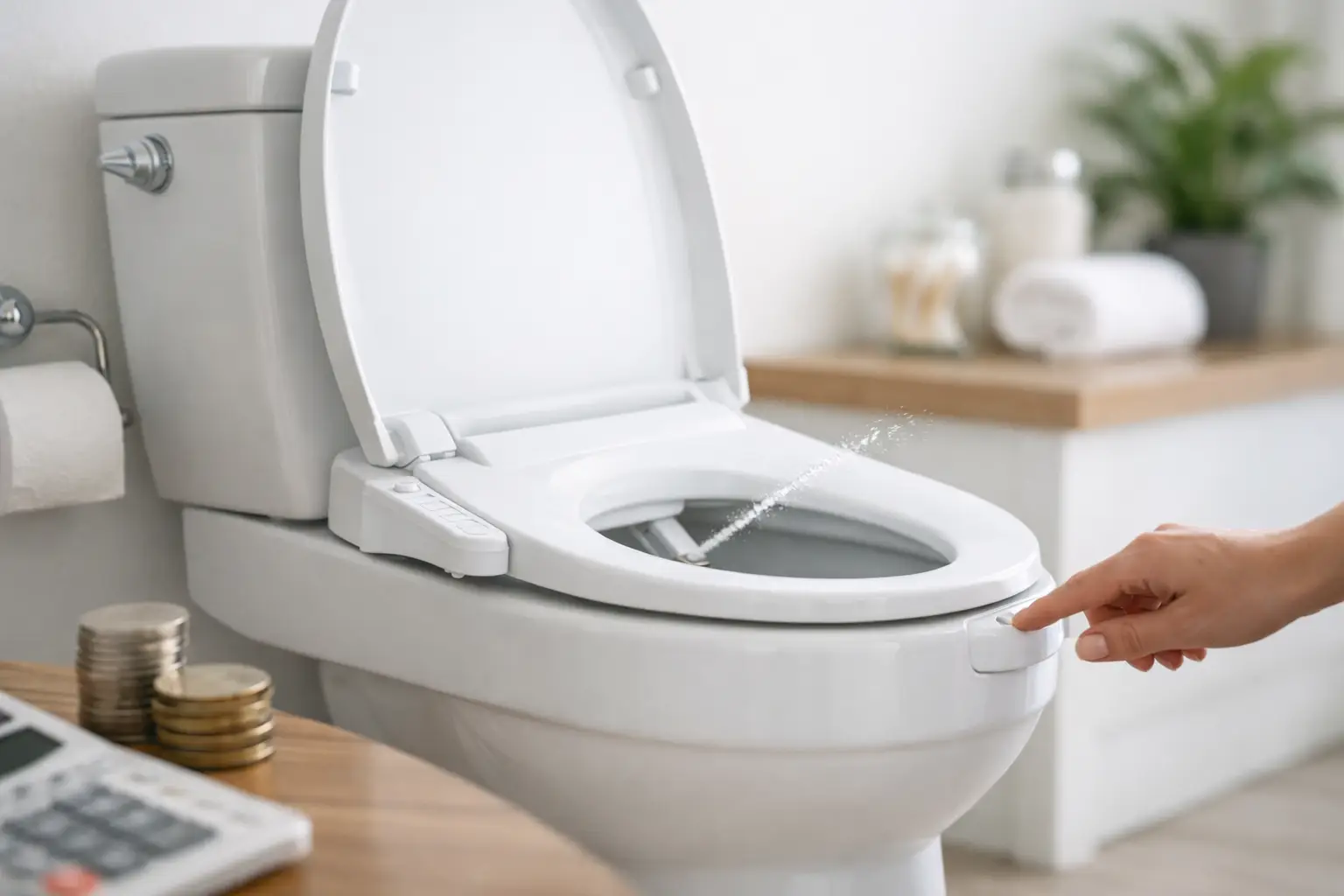
The biggest misconception is that a bidet requires a separate porcelain fixture beside the toilet. Standalone bidets do exist, but they are not what most shoppers mean today. A non-electric attachment mounts beneath your existing toilet seat, while a bidet seat replaces the seat itself. Both can fit a standard bathroom without changing the toilet or opening walls.
For renters, first-time buyers, and households watching their budget, a simple attachment is often the most sensible starting point. It lets you try the experience without paying for heated water, remote controls, air dryers, and other upgrades you may not need.
The benefits people notice first
The immediate difference is comfort. Water generally cleans more gently than repeated dry wiping, which can matter after exercise, during pregnancy, while recovering from a medical procedure, or when dealing with hemorrhoids or other irritation. A bidet is not medical treatment, but many users find it makes a difficult routine less uncomfortable.
There is also a cleanliness argument that is hard to dismiss. Toilet paper moves material away, but water rinses the area directly. That does not mean every bidet setting is automatically perfect. Nozzle position, water pressure, and personal preference all matter. Still, once adjusted correctly, most first-time users find the result feels more thorough than toilet paper alone.
Convenience is another quiet advantage. Fewer emergency toilet paper runs are welcome in any home, especially one with teenagers, guests, or a busy shared bathroom. A bidet does not eliminate paper entirely, but it can make your supply last much longer.
A more accessible bathroom routine
Bidets can be particularly useful for people with limited mobility, arthritis, chronic pain, or difficulty twisting and reaching. An electric seat with a remote control may be easier to operate than a manual attachment, though controls should be simple enough for every intended user.
For older adults or anyone with a caregiving need, this can be more than a comfort feature. A product that supports independence in a private daily task deserves a closer look. Before buying, consider seat height, control placement, and whether the user can comfortably reach the knobs or remote.

What a bidet really costs
Cost is where the purchase decision becomes more personal. Basic non-electric attachments commonly cost far less than a new toilet or a remodeling project. They usually use the toilet’s existing cold-water supply and have manual pressure controls.
Electric bidet seats cost more, but they add features that can make the experience far more appealing in a cold climate or a frequently used primary bathroom. Depending on the model, those features may include warm water, a heated seat, adjustable pressure and nozzle position, a warm-air dryer, a deodorizer, and self-cleaning nozzle functions.
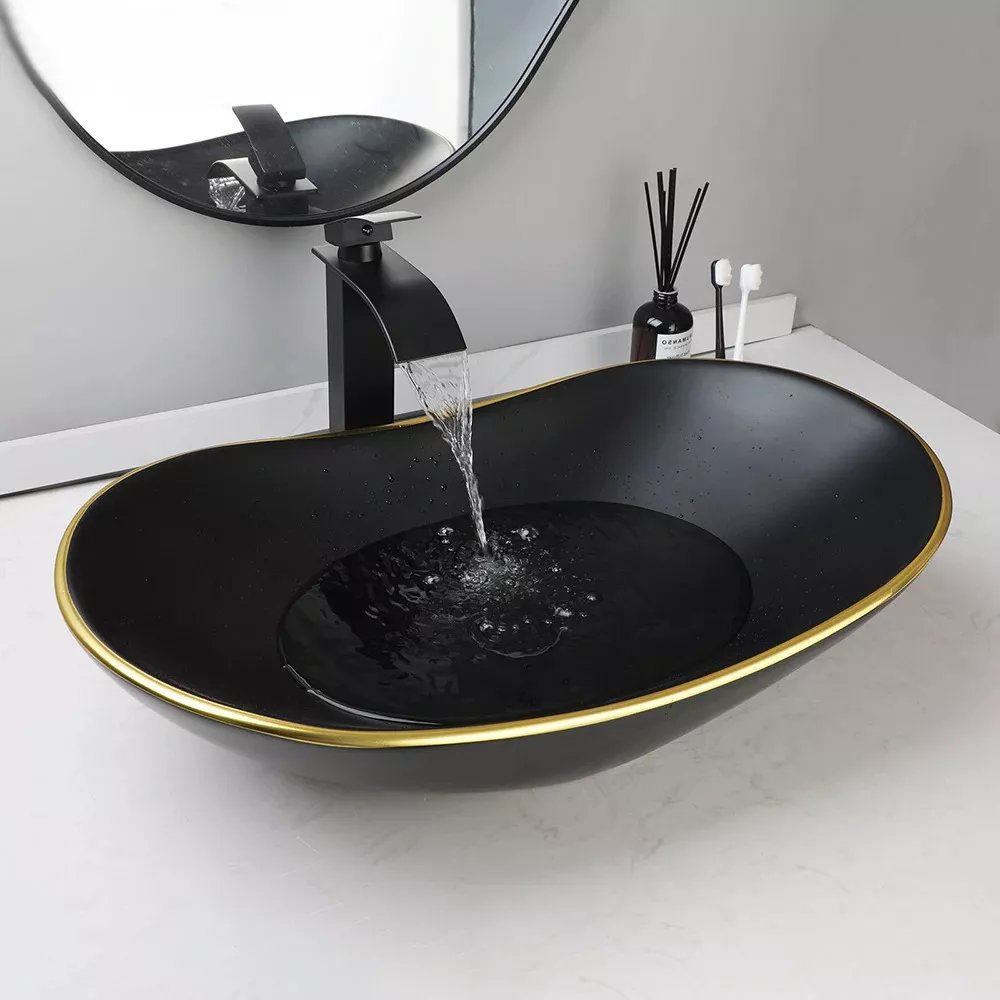
A separate bidet fixture is the most expensive route. It requires space, plumbing work, and often a remodel-level budget. Unless you are already renovating, it rarely offers the best value for someone who simply wants bidet functionality.
The ongoing costs are usually modest. Non-electric models do not require electricity. Electric seats use power, particularly when keeping water or the seat warm, but the increase is generally small compared with other home appliances. Toilet paper savings may offset part of the upfront price over time, although the payoff depends on household size, current paper usage, and local utility rates.
Do not buy a bidet strictly as a money-saving device. The financial return can be slow, especially if you choose a premium electric seat. Think of reduced paper use as a useful side benefit, while comfort and hygiene do most of the work in the value calculation.
Installation is easier than many shoppers expect
Most bidet attachments and seats connect to the toilet’s clean-water supply through a T-valve. Installation often involves shutting off the water, placing the attachment or seat, connecting the included hose, and checking carefully for leaks. A reasonably handy homeowner can often handle a non-electric model in under an hour.
Electric seats need one additional consideration: a nearby grounded outlet. If your toilet does not have one within reach, do not run an extension cord across the bathroom floor. Ask an electrician about adding a properly placed GFCI outlet instead. That extra electrical work can change the value equation considerably.
Before ordering, measure your toilet. The most common fit issue is choosing a seat designed for an elongated bowl when you have a round bowl, or vice versa. Also check the shape of the toilet, the location of the water shutoff valve, and how much clearance you have around the hinges. A few minutes of measuring can prevent an annoying return.
Cold water versus warm water
A cold-water attachment sounds intimidating, but it is often less dramatic than shoppers imagine. The spray is brief, and many users adjust quickly. It is a practical, low-cost choice for a guest bathroom or anyone testing whether a bidet fits their routine.
Warm water is more of a comfort feature than a necessity, but it can be worth paying for in a primary bathroom. Some non-electric models connect to a sink’s hot-water line, though that installation is more involved and can waste water while the temperature changes. Electric seats are usually the cleaner solution for reliably warm water, provided the bathroom has the right outlet.
The trade-offs to consider before buying
A bidet is not a universal fit. Some people dislike the sensation at first, while others do not want another fixture or control panel to clean. Households with multiple users may also need a little time to agree on settings, especially if the unit has strong pressure or an automatic lid.
Maintenance is straightforward but real. You should wipe down exterior controls, clean the toilet as usual, and periodically inspect hoses and connections. Look for models with a retractable or self-rinsing nozzle, but do not treat those features as a reason to skip cleaning entirely. If you live in an area with hard water, mineral buildup can eventually affect any water-using fixture.
Electric seats have more parts that can fail than a manual attachment. They also tend to be bulkier, which may slightly change your seating position or make the toilet look less streamlined. A low-profile seat can help, but it usually costs more.
Privacy and plumbing quality matter, too. Cheap components, poorly fitting hoses, and unclear instructions are not worth the gamble in a room where even a small leak creates a major problem. Prioritize solid construction, clear compatibility details, and a warranty you can understand over a long list of flashy features.
Which type of bidet makes the most sense?
A bidet attachment is the best value for shoppers who want a low-risk entry point, live in a rental, or do not need warm water. It offers the core benefit with minimal cost and little commitment.
A non-electric bidet seat is a good middle ground when you want a more integrated appearance and may prefer dual nozzles or a sturdier control setup. It still avoids the need for an outlet.
An electric bidet seat makes the most sense in a primary bathroom where comfort features will be used often. Heated water, a heated seat, adjustable settings, and drying can make it feel less like a gadget and more like a lasting home upgrade. It is also the strongest option for users who benefit from accessibility-focused controls.
A handheld bidet sprayer can work well for shoppers who want flexible cleaning or already use a similar spray setup. It requires care, however: always turn off the valve after use if the manufacturer recommends it, since leaving a pressurized handheld sprayer unattended can increase leak risk.
The smartest approach is to match the product to the bathroom rather than buying the most expensive model. A basic attachment in a guest bath may be perfect. A well-built electric seat may be worth the investment in the bathroom you use every morning.
If you are still unsure, start with the question that matters most: would a cleaner, gentler routine improve your day enough to justify one more small appliance in your home? For many people, the answer becomes clear after a few uses – and the bathroom upgrade they expected to be optional becomes the one they miss everywhere else.
FROM THE BLOG