

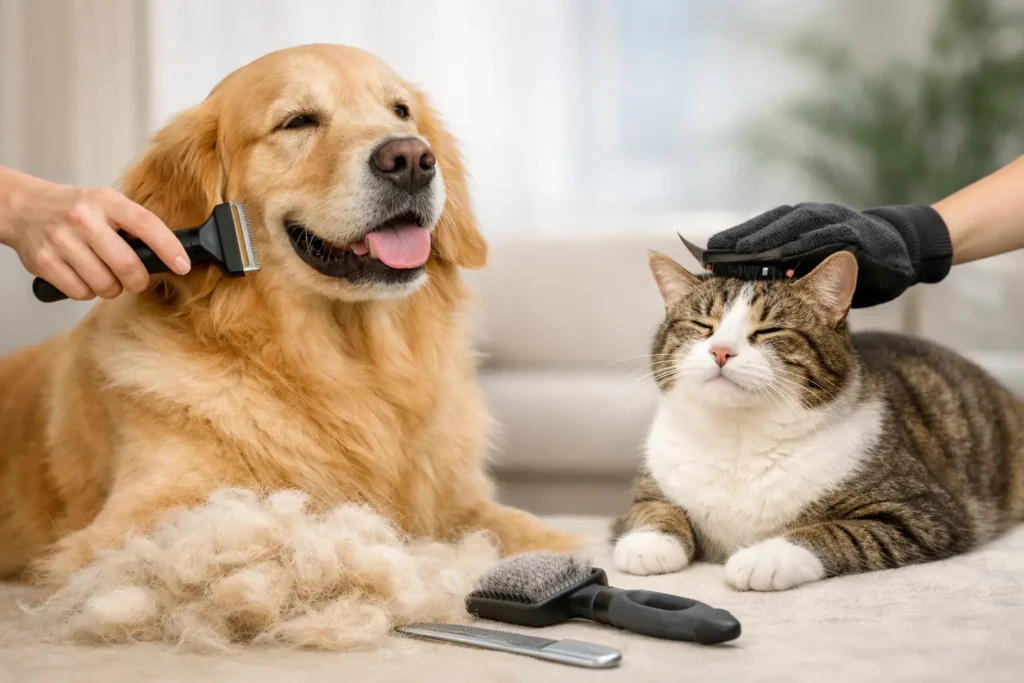
A black shirt, a freshly vacuumed rug, and a sunny windowsill can all reveal the same thing: your pet has been busy. Fur is part of life with dogs and cats, but knowing how to reduce pet shedding can make the difference between a home that feels constantly hairy and one that is easy to reset between cuddles.
The goal is not to stop shedding altogether. Healthy pets shed, and some breeds shed a lot more than others. The practical win is removing loose hair before it reaches your sofa, bedding, car seats, and every clean outfit you own.
Start With the Coat You Actually Have
Not every pet needs the same routine. A short-haired beagle can leave surprising amounts of fur behind, while a long-haired cat may need more frequent hands-on grooming to prevent tangles. Double-coated breeds, including many retrievers, shepherds, huskies, and spitz-type dogs, often shed heavily in spring and fall as their coats adjust to the season.
Before buying every tool on the shelf, learn whether your pet has a short, smooth coat; a long or silky coat; curls; a wiry coat; or a thick double coat. The right brush removes loose undercoat or surface hair without pulling, scratching skin, or damaging the coat. A tool that works beautifully for one pet can be uncomfortable and ineffective for another.
Shedding also changes with age, indoor temperature, daylight, stress, and health. An indoor cat may shed fairly consistently throughout the year, while a dog that spends more time outside may have obvious seasonal sheds. That means your routine should be flexible, not a once-a-month chore that never quite keeps up.
How to Reduce Pet Shedding With Regular Grooming
For most households, consistent brushing is the biggest game changer. It catches hair at the source, spreads natural oils through the coat, and gives you a quick chance to check for skin changes, ticks, bumps, or tender spots. Five calm minutes several times a week is usually more effective than one frustrating marathon grooming session.
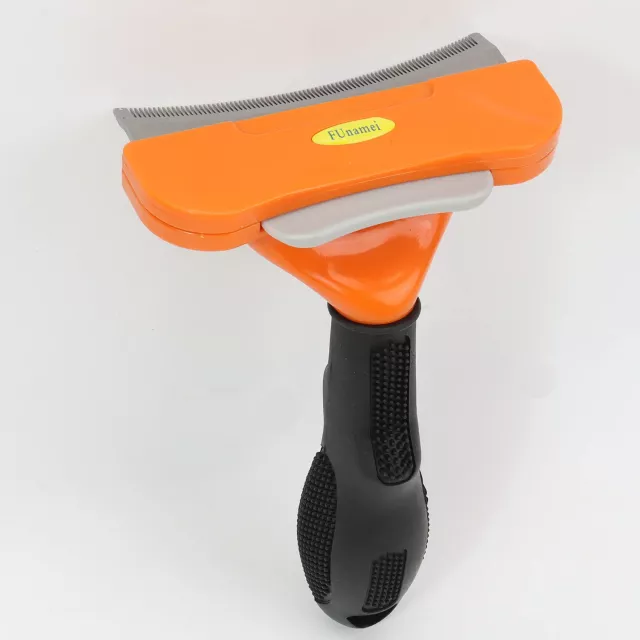
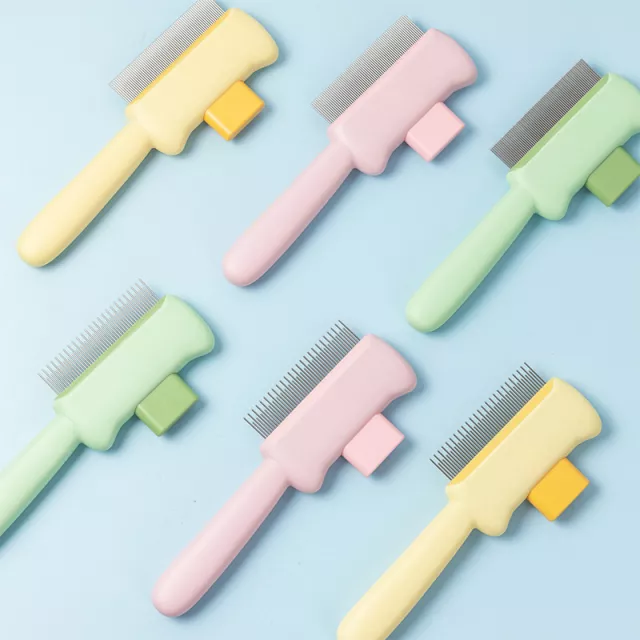
Short-haired pets often do well with a rubber grooming brush or soft bristle brush. These tools lift loose surface hair while feeling more like a massage. Pets with medium or long coats may benefit from a slicker brush, comb, or detangling tool. For dense double coats, an undercoat rake can be useful during major seasonal shedding, but use it gently and only as directed. Too much pressure or overly frequent use can irritate the skin and break healthy hairs.
Make grooming feel rewarding. Pick a low-distraction spot, brush in the direction the coat grows, keep sessions short at first, and offer praise or a small treat afterward. If your cat walks away after three minutes, that is still a successful start. Building a positive habit will get better results than trying to hold a reluctant pet in place.
Avoid shaving a double-coated dog just to cut down on fur around the house. Their coat helps regulate temperature and protect skin from sun exposure. Clipping may be appropriate for certain coat types or medical situations, but it is not a universal shedding solution. When in doubt, ask a professional groomer or veterinarian what is right for your pet’s coat.
Bathe Smart, Not Constantly
A bath can loosen and remove a lot of dead hair, especially when followed by thorough drying and brushing. But more baths are not always better. Frequent bathing with the wrong shampoo can strip natural oils, dry the skin, and create more flaking and irritation.
Use a pet-safe shampoo, rinse completely, and follow the recommended schedule for your pet’s breed, lifestyle, and skin needs. Human shampoo is not a substitute. The pH balance and fragrance ingredients can be too harsh for pet skin. If your pet has allergies, dandruff, odor that returns quickly, or itchy skin, check with a veterinarian before trying medicated or specialty formulas.
Support a Healthy Coat From the Inside
A glossy, comfortable coat starts with everyday nutrition. Feed a complete, balanced food that fits your pet’s life stage, size, and health needs. A sudden switch to a trendy food or a random supplement will not necessarily reduce shedding, and it can upset a sensitive stomach.
Fresh water matters, too. Dehydration can contribute to dry skin, particularly in homes where heat or air conditioning runs often. Keep bowls clean and filled, and consider placing water in more than one familiar spot if your pet tends to drink lightly.
Omega-3 fatty acids may help some pets maintain healthy skin and coat quality, but supplements are not one-size-fits-all. The right type and amount depend on species, weight, diet, and any existing health conditions. Ask your veterinarian before adding fish oil, skin-and-coat chews, or other supplements. A product marketed for shine is not automatically the best choice for your pet.


Keep Fur From Taking Over the House
Grooming reduces the amount of hair entering your home. A simple cleaning setup keeps the rest manageable. Think of it as a few small, repeatable resets rather than an all-day cleanup.
Keep a lint roller where it earns its keep: near the front door, in the car, and beside the laundry area. A reusable pet-hair remover can be especially handy for upholstered furniture. For rugs and floors, vacuuming high-traffic pet zones two or three times a week is often enough to prevent hair from collecting in corners and under furniture. A vacuum with a pet-hair attachment is helpful, but consistent use matters more than fancy features.
Wash pet blankets and washable bed covers regularly. These fabrics quietly hold a remarkable amount of loose hair, dander, and outdoor debris. Giving your pet a designated blanket for the couch can also protect the rest of the upholstery and make cleanup much faster.
If fur is clinging to laundry, do not overload the washer. Shake items outside first, use a lint roller before washing when needed, and clean the dryer lint trap after every load. A quick fabric refresh before guests arrive is far less stressful than discovering fur on every chair five minutes before the doorbell rings.
Look Beyond Normal Shedding
Normal shedding is usually gradual and evenly distributed. Hair loss that is sudden, patchy, or paired with red skin, scabs, strong odor, excessive scratching, licking, or behavior changes deserves attention. Fleas, mites, allergies, fungal infections, stress, hormonal conditions, and nutritional problems can all affect the coat.
Call your veterinarian if your pet seems uncomfortable or if you notice bald spots. Do not assume a heavy shed is simply seasonal when the skin underneath looks irritated. Early help can make your pet more comfortable and prevent a small issue from becoming a bigger one.
Build a Routine That Fits Real Life
The best plan is the one you can keep doing during busy weeks. Try brushing on Sunday, Tuesday, and Thursday, then make a quick pass over favorite furniture on the weekend. During peak shedding season, add a few minutes of brushing or one extra vacuum session rather than waiting until the fur feels out of control.
Keep your grooming tools together in an easy-to-reach bin with treats, a towel, and a lint roller. That small bit of organization removes the usual excuse: having to search for everything when your pet is finally relaxed. Practical home essentials can turn a recurring chore into a quick, satisfying routine – exactly the kind of everyday upgrade busy pet owners appreciate.
Your pet does not need a fur-free home to be well cared for. With the right brush, a healthy routine, and a few smart cleanup habits, you can spend less time chasing tumbleweeds and more time enjoying the reason they are there: a happy pet who feels at home.





Pingback: 6 Best Electric Lunch Boxes for Fresh Hot Meals | PO‑STORE
Pingback: 10 Backup Power Examples for Everyday Outages | PO‑STORE