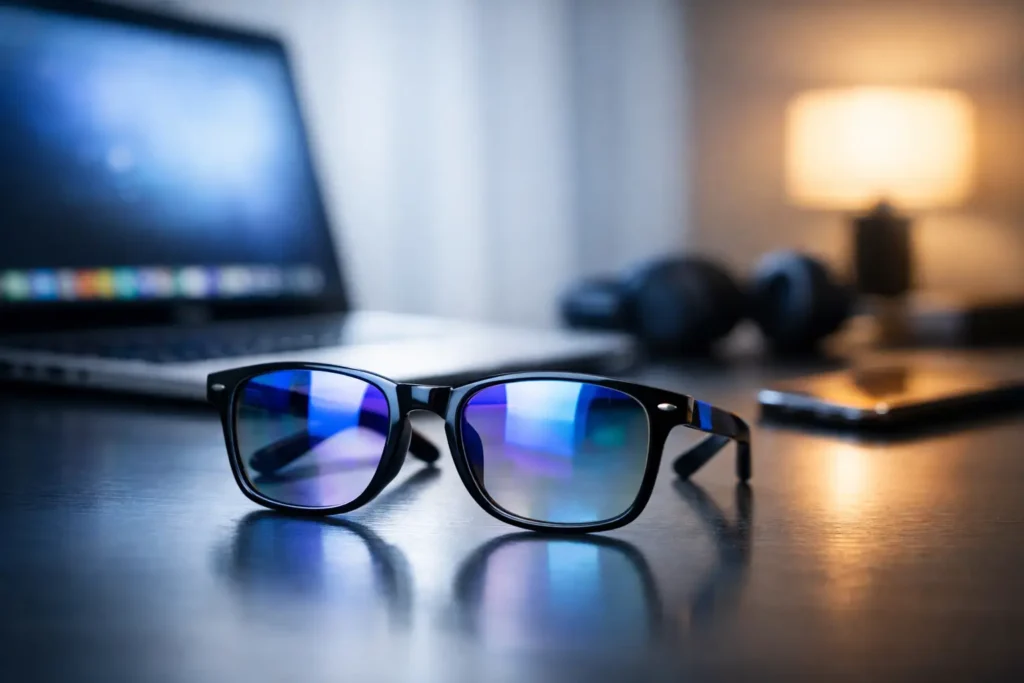
You put in a full day on a laptop, answer texts at night, maybe squeeze in a little streaming before bed, and by 9 p.m. your eyes feel cooked. That’s usually the moment people ask: do blue light glasses help, or are they just another wellness accessory with good marketing?
The honest answer is less dramatic than the ads make it sound. Blue light glasses can help some people in specific situations, especially with comfort and evening screen habits. But they are not a cure-all for digital eye strain, and they are not a medical fix for every headache, blurry screen, or bad night of sleep.
Do blue light glasses help with screen fatigue?
Sometimes, yes – but mostly in a limited, practical way.
A lot of what people call “blue light pain” is really digital eye strain. That usually comes from staring at a screen for too long, blinking less, sitting too close, dealing with glare, or working in dry air. In other words, the problem is often the way we use screens, not just the color of the light coming from them.
Blue light glasses may reduce discomfort for some users because tinted lenses can soften harsh screen brightness and cut some glare. If you spend eight or ten hours moving between a laptop monitor and phone, that small reduction in visual harshness can feel meaningful. Some people report less squinting, fewer end-of-day tired eyes, and a more comfortable work session.
That said, the research is mixed. Studies have not consistently shown that blue light glasses dramatically reduce eye strain for everyone. If a pair helps you, that doesn’t mean the science is settled. It usually means the lenses, coating, fit, and your work setup happened to improve comfort in a way that matters to you.
For shoppers, that distinction matters. Relief is possible, but expectations should stay realistic.
What blue light glasses can actually do
The most useful way to think about these glasses is as a comfort tool, not a miracle product.
If you work late into the evening, blue light filtering lenses may help reduce your exposure to short-wavelength light at night. That matters because blue-spectrum light can influence melatonin production, which plays a role in your sleep-wake cycle. In plain English: bright screens close to bedtime can make it harder for your brain to power down.
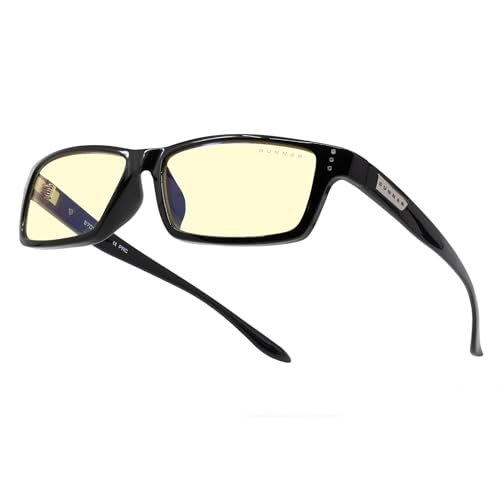
This is where blue light glasses make the strongest practical case. If you’re answering emails at 10 p.m. or scrolling in bed, warmer or amber-tinted lenses may help you feel less wired than you would under full screen glare. They are especially useful for people who cannot avoid nighttime screen use for work, parenting, travel, or irregular schedules.
They can also help in a behavioral sense. Putting on blue light glasses after dinner can act as a cue that your day is winding down. That habit effect is not fake. Sometimes a product earns its place because it helps you follow better routines, even if it is not doing all the heavy lifting on its own.
What blue light glasses probably won’t fix
If you get frequent headaches, persistent dry eye, double vision, or worsening blurry vision, blue light glasses should not be your first or only solution.
Those symptoms can come from an outdated prescription, poor ergonomics, screen brightness set too high, reduced blinking, or an underlying eye issue. Glasses that filter blue light will not correct the need for proper vision correction. They also won’t solve neck tension from a bad desk setup or eye dryness caused by staring without breaks.
This is where shoppers often get oversold. Packaging tends to suggest a single product can handle sleep, focus, headaches, strain, and long-term eye health all at once. Realistically, that’s too broad a promise.
There’s also no strong evidence that normal screen exposure causes major damage to healthy eyes in the way many people fear. So if you’re buying blue light glasses because you think every hour on your phone is permanently harming your vision, that’s probably not the right reason.
Who is most likely to notice a difference
Blue light glasses tend to make the most sense for a few types of users.
If you spend long hours on screens for work, especially in bright offices or under overhead lighting, you may notice a comfort benefit. If you use devices at night and struggle to settle down for sleep, a stronger blue light filter may be worth trying. And if you are sensitive to bright light in general, even a modest tint can make digital use feel easier.
They may matter less if most of your screen time happens during the day, you already use night mode on your devices, and your main issue is dry eye or an old prescription. In that case, the better upgrade might be artificial tears, a monitor adjustment, or an eye exam.
This is the practical shopping test: are you trying to solve screen discomfort, or are you trying to solve every symptom that shows up while using screens? Blue light glasses are better for the first category than the second.
How to tell if a pair is worth buying
If you decide to try them, don’t shop based on hype alone.
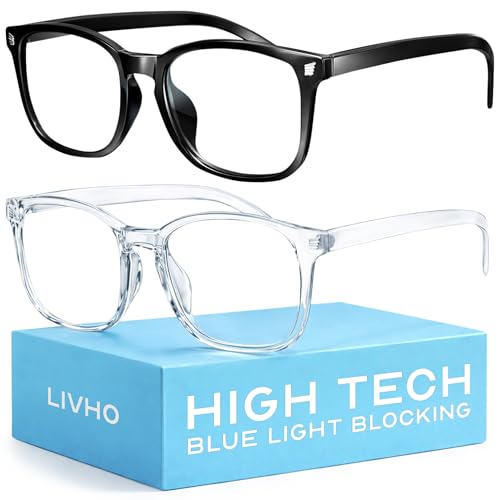
Start with lens quality. Cheap pairs can introduce glare, distortion, or color shifts that feel worse than the original problem. A decent anti-reflective coating often matters as much as the blue light filter itself, because reflections can make screens more tiring to look at.
Next, think about when you’ll wear them. Clear or lightly filtered lenses are easier for daytime office use because they don’t change color perception much. Amber or yellow-tinted lenses are more aggressive and often better for nighttime use, but they can distort colors on screens. That trade-off matters if you do design work, shop online by color, or simply hate the look of tinted lenses.
Fit matters too. If the glasses pinch, slide, or feel heavy after an hour, you won’t wear them long enough to judge whether they help. This sounds basic, but comfort is often what separates a useful pair from one that lives in a drawer.
At PO-Store, we tend to look at products this way: if the benefit is subtle, the product has to be easy to live with. That’s especially true for wellness accessories.
Better ways to reduce eye strain than glasses alone
If your eyes feel tired every day, blue light glasses should be one part of the plan, not the whole plan.
The biggest win is taking regular visual breaks. The common 20-20-20 rule is simple for a reason: every 20 minutes, look at something 20 feet away for 20 seconds. It helps relax the focusing muscles that get overworked during screen use.
Your screen setup also matters more than most people realize. Keep monitors about an arm’s length away, reduce overhead glare, and avoid cranking brightness much higher than the room around you. If your screen looks like a flashlight in a dim room, your eyes are going to complain no matter what glasses you buy.
Blinking sounds too obvious to mention, but people blink less when concentrating on screens. That can lead to dryness, irritation, and the feeling that your eyes are exhausted. If your discomfort feels gritty or burny, dryness may be the real issue.
And if nighttime sleep is the main concern, combining blue light glasses with device night mode, dimmer room lighting, and less phone time before bed will usually do more than glasses alone.
So, do blue light glasses help enough to justify the cost?
For some people, yes. For others, not really.
If you want a low-effort tool that may make screen time more comfortable or help reduce nighttime stimulation, blue light glasses are a reasonable buy. They’re especially appealing if your work and habits make screen reduction unrealistic. But if you expect a dramatic transformation, you may be disappointed.
The best case for buying them is pretty simple: you spend a lot of time on screens, your eyes feel less comfortable late in the day, and you want a small, wearable fix that may take the edge off. The worst case is also simple: you use them to avoid addressing a bigger issue like poor sleep habits, workstation glare, or uncorrected vision.
That’s why the smartest approach is to treat blue light glasses as a practical experiment. Choose a decent pair, use them in the situations where they’re most likely to help, and pay attention to your own results instead of the marketing claims. If they make your evenings easier or your workday more comfortable, that’s a real benefit. If not, your money is better spent on the root cause.