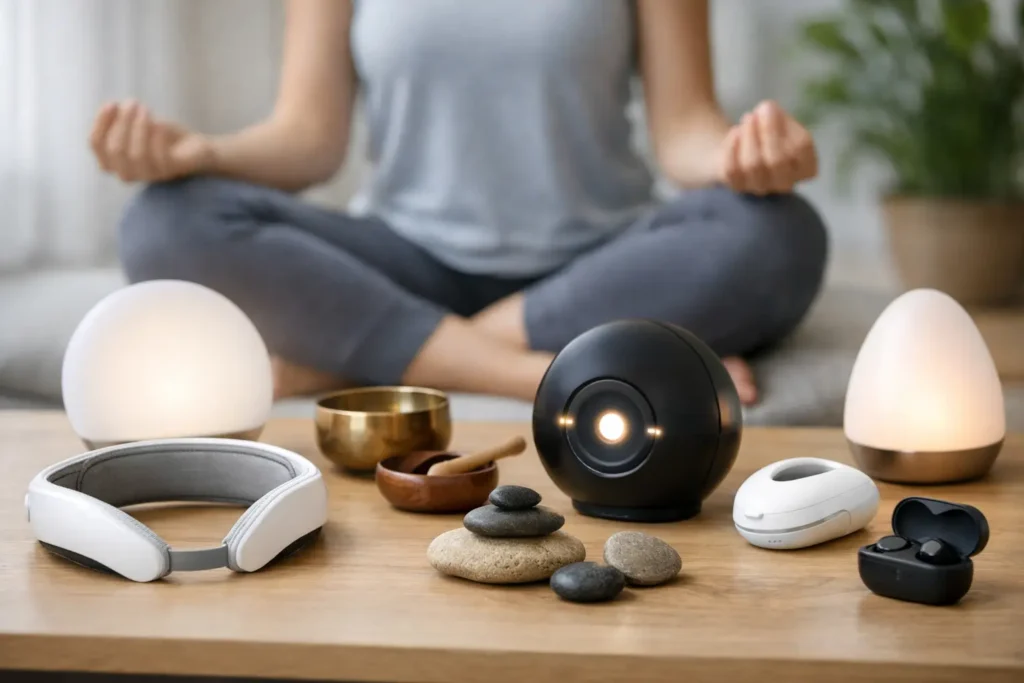
Meditation usually falls apart in the same place – not in theory, but in real life. The dog barks, your phone lights up, your mind starts making a grocery list, and the five calm minutes you planned never quite happen. That is why more people are looking at the best meditation devices at home, not as magic fixes, but as practical tools that make it easier to follow through.
The good news is you do not need to turn your bedroom into a wellness lab. The right device depends less on trendiness and more on what gets in your way. Some people need help blocking noise. Some need a physical cue to slow down. Others stay consistent only when a device gives structure, feedback, or a sense of routine.
What makes the best meditation devices at home worth buying?
A good meditation device should reduce friction. That sounds simple, but it is the difference between something you use twice and something that becomes part of your week.
For most at-home shoppers, the best options do one of three things. They create a calmer environment, guide attention when your mind drifts, or make meditation feel easier to start. If a product cannot do at least one of those clearly, it is probably more decor than support.
There is also a trade-off between simplicity and involvement. A sound machine or meditation cushion asks very little from you. You turn it on or sit down and get on with it. A biometric wearable may give you more data and coaching, but it also adds setup, charging, apps, and another layer of decision-making. For some people, that extra feedback is motivating. For others, it makes a quiet practice feel oddly busy.
The 9 best meditation devices at home for different needs
1. White noise and sound machines
If outside noise is what breaks your focus, start here. A good sound machine is one of the most practical meditation tools for home use because it handles the problem before you begin. Traffic, neighbors, hallway noise, and household distractions become less sharp, which gives your mind fewer things to latch onto.
This option makes the most sense for apartment living, shared homes, and parents who are squeezing in a session before bed. Look for models with steady sound profiles, easy controls, and a timer. You do not need dozens of sound effects. You need one or two that are actually calming and consistent.
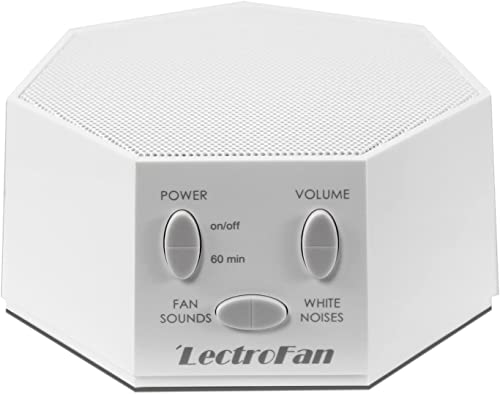
Adaptive Sound Technologies LectroFan Classic - Soothing Sound Machine for Sleep - Built-in Sleep Timer - Compact Design - Non-Looping Sounds - Speech Privacy - White
If outside noise breaks your focus, start here. A good sound machine is one of the most practical meditation tools for home use because it handles environmental clutter before you begin your session.
Why PO-Store Recommends It: The LectroFan White Noise Machine is a top pick for its 10 unique fan sounds and 10 non-repeating white noise variations that mask distracting household or apartment sounds. Its compact profile makes it easy to position anywhere in your meditation space, and the built-in sleep timer lets you control exactly how long your session's background audio runs.
2. Guided meditation speakers
Some people know how to meditate but do better when a voice gets them started. A dedicated speaker can work well if you want guided sessions without holding your phone or staring at a screen.
This category is especially useful for beginners and for people trying to build a habit in a bedroom, office, or living room. The big advantage is convenience. The weak point is flexibility. If the speaker is tied to a limited library or clunky app, it can start feeling restrictive fast.
Hatch Restore 3 Sunrise Alarm Clock, Sound Machine, Smart Light (Putty) - White Noise, Screen-Free Sleep Routine
Better lighting cues support a consistent schedule, establishing the perfect conditions for a calming morning or evening routine before you start your active practice.
Why PO-Store Recommends It: The Hatch Restore 3 Smart Sunrise Alarm Clock stands out because it utilizes a gradual, sunrise-inspired light that mimics natural morning light to improve your waking mood. It seamlessly acts as a habit anchor to prepare your body and mind for a regular at-home mindfulness practice.
3. Meditation headbands and brain-sensing wearables
These are the most talked-about and most misunderstood devices in the category. Meditation headbands usually track signals related to brain activity and pair them with an app that offers feedback, audio cues, or progress data.
For data-driven users, this can be genuinely helpful. Real-time feedback gives you a reason to stick with the practice and can make meditation feel less vague. If you are the type who likes seeing improvement over time, a wearable may keep you engaged longer than a basic timer ever would.
Still, this is not the best choice for everyone. Some users find that performance-style feedback makes them chase the idea of doing meditation correctly, which is not always the point. These devices also cost more than simpler tools, so they make the most sense if accountability is your main barrier.
MUSE 2: Smart Meditation Headband
These devices track signals related to brain activity and pair them with an app that offers real-time audio cues, which can keep data-driven users deeply engaged.
Why PO-Store Recommends It: The Muse 2 Premium Subscription Bundle acts as a personal meditation coach by using advanced EEG brain sensors to give you immediate auditory feedback on your focus level. It is a highly motivating tool that translates the vague feeling of meditation into clear, trackable progress metrics over time.
4. Breathing trainers and paced breathing devices
If your stress shows up physically first – tight chest, shallow breathing, tension in the shoulders – a breathing device can be more useful than a meditation app. These tools guide inhale and exhale patterns through light, sound, or vibration, helping you settle your body before you even think about mindfulness.
They are often easier for skeptics to stick with because they feel concrete. You follow the cue, slow your breathing, and notice the difference. For people who struggle to sit still and “clear their mind,” that simplicity matters.
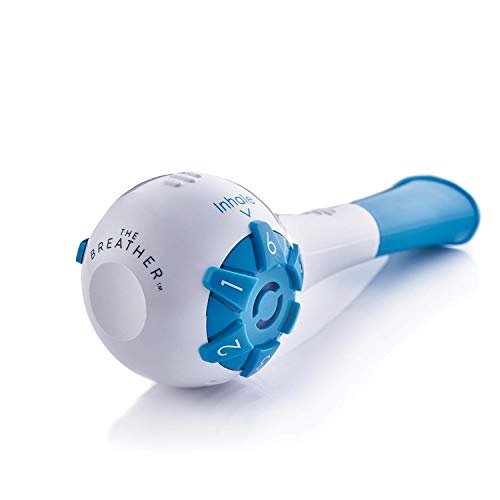
THE BREATHER Natural Breathing Exerciser Trainer For Drug-Free Respiratory Therapy Breathe Easier with Stronger Lungs Guided Mobile Training App Included
If your stress shows up physically first—via a tight chest or shallow breathing—a high-volume, affordable breathing tool can help settle your body before you even think about mindfulness.
Why PO-Store Recommends It: The The Breather Respiratory Muscle Trainer is a massive Amazon best seller that uses adjustable resistance dials to strengthen respiratory muscles and promote deep, paced diaphragmatic breathing. It is incredibly straightforward, highly economical, and provides a concrete physical prompt to calm your central nervous system instantly.
5. Sunrise alarm clocks and light-based relaxation devices
Not every meditation device is built for the meditation session itself. Some are best at setting up the conditions for one. A sunrise alarm clock or light-based relaxation device can help regulate your wake-up or wind-down routine, which makes it easier to meditate when you are not already frazzled.
This is a smart pick for people trying to meditate in the morning or before sleep. Better lighting cues can support consistency, especially in darker months or for anyone whose schedule feels off. Just keep expectations realistic. These devices are habit supports, not deep meditation tools on their own.
Hatch Restore 3 Sunrise Alarm Clock, Sound Machine, Smart Light (Putty) - White Noise, Screen-Free Sleep Routine
Better lighting cues support a consistent schedule, establishing the perfect conditions for a calming morning or evening routine before you start your active practice.
Why PO-Store Recommends It: The Hatch Restore 3 Smart Sunrise Alarm Clock stands out because it utilizes a gradual, sunrise-inspired light that mimics natural morning light to improve your waking mood. It seamlessly acts as a habit anchor to prepare your body and mind for a regular at-home mindfulness practice.
6. Heated eye masks and relaxation goggles
For users who carry stress in the face, jaw, or eyes, a heated eye mask can be surprisingly effective. It is not a traditional meditation device, but it works well as a pre-meditation reset or as part of a bedtime mindfulness routine.
The appeal is obvious: low effort, immediate comfort, no learning curve. The downside is that it leans more toward relaxation than active meditation training. That is not a bad thing. It just means this option is best for people who need help unwinding rather than building a structured practice.
RENPHO Eyeris Smart Eye Massager with App Control, Fathers Day Birthday Gift for Husband Dad, FSA Eligible HSA Eye Mask with Heat for Head Tension Dry Eyes, Wireless Music
For users who carry immediate stress in their face and jaw, an app-controlled heated eye mask offers low-effort, immediate comfort with customizable pressure settings.
Why PO-Store Recommends It: The RENPHO Eyeris Smart Eye Massager combines built-in heating, compression, and gentle vibration across five customizable massage modes to target tension and dry eyes. You can pair it with the dedicated health app to easily adjust your session or stream your favorite ambient tracks directly through its integrated Bluetooth speakers.
7. Acupressure mats and grounding tools
Some shoppers focus better when their body has a physical anchor. Acupressure mats, weighted lap pads, and grounding-style relaxation tools can help by giving your nervous system a clear sensory input while you sit quietly.
This category is a good fit for restless people who do not love traditional meditation but still want a calm ritual at home. It depends heavily on personal preference, though. What feels soothing to one person can feel distracting to another, so comfort matters more than hype here.
ProsourceFit Acupressure Mat and Pillow Set for Back/Neck Pain Relief and Muscle Relaxation, Black
Acupressure mats provide your nervous system with a clear, intense physical anchor, making them an excellent match for restless individuals who struggle to sit still.
Why PO-Store Recommends It: The ProsourceFit Acupressure Mat and Pillow Set is an undeniable crowd favorite on Amazon, boasting over 52,500 customer reviews and more than 1,000 units sold last month alone. This highly affordable, top-selling staple utilizes thousands of strategic pressure points to melt away daily muscle tension and back pain, making it a reliable, high-volume choice that everyday consumers trust.
8. Smart lamps and ambient lighting devices
Lighting is easy to overlook until you realize how much harsh overhead light affects your mood. Smart lamps with warm dimming, preset scenes, or evening routines can make a meditation space feel usable instead of improvised.
These are not essential, but they can be worthwhile if your home environment is the main issue. They work best as part of a larger setup with a cushion, speaker, or breathing device. On their own, they will not teach you meditation, but they can make the practice more inviting.
JOSTIC LED Desk Lamp with Wireless Charger
Why it’s the best choice: Instead of cluttering your workspace with separate power strips for your phone and desk lighting, this sleek lamp serves as a complete desktop power hub. It comes equipped with a built-in 10W fast wireless charging pad on the base alongside a rear USB charging port, allowing professionals to power up multiple devices simultaneously while they work. With a layout boasting 50 custom lighting choices (5 color modes combined with 10 distinct brightness levels), it provides a diffused, full-spectrum glow that completely prevents eye fatigue through long hours of reading, typing, or virtual meetings.
9. Vibration-based mindfulness tools
These devices use subtle vibration cues to guide breathing, posture, or moments of awareness. Some are handheld. Some clip to clothing. Some are designed to prompt mini meditation breaks during the day.
They are a strong choice for busy professionals who do not always have 20 quiet minutes to spare. Instead of asking for a full session, they create short moments of reset. That can be more realistic for many households, especially if consistency is more important than duration.
LOVETUNER Meditation Tuning Necklace 528 hz Frequency of Love | Mindfulness Device for Anxiety & Stress Relief (Waxed Cord Bronze)
These compact tools use subtle physical cues or audible frequencies to anchor your awareness or guide your breathing patterns, making them excellent choices for shorter, busy schedules.
Why PO-Store Recommends It: The LOVETUNER 528hz Breathing Necklace is a wearable mindfulness tool engineered to align your breathing patterns with the calming 528 Hz frequency tone. It functions as a tactile, screen-free reminder that allows busy consumers to quickly clear away anxiety and re-center their emotional state in just a few breaths.
How to choose the best meditation devices at home for your routine
Start with the obstacle, not the product category. If noise is the problem, a wearable will not solve it. If motivation is the problem, a lamp probably will not either.
For most people, the right first purchase falls into one of three lanes. If your environment is chaotic, choose a sound or lighting device. If your attention drifts, choose guided audio or paced breathing support. If you need accountability, choose a wearable or a device with feedback.
Budget matters too. Meditation devices range from simple under-$50 tools to premium wearables that cost several hundred dollars. Higher price does not always mean better results. In a lot of homes, the most-used meditation device is the least complicated one.
Ease of use is another filter worth taking seriously. If a device takes too many steps to set up, it creates the exact kind of friction meditation is supposed to reduce. That is one reason PO-Store tends to favor products with straightforward controls, clear benefits, and routines that fit everyday life.
Who should skip meditation tech?
Not everyone needs a device. If you already have a steady practice and a quiet enough space, extra hardware may not add much. The same goes for anyone who feels stressed by metrics, notifications, or too many app features.
There is also a point where shopping for meditation tools becomes a substitute for meditating. That sounds obvious, but it happens all the time. Buying one useful product can help. Building a collection of “wellness” gadgets you never use is just a more expensive form of procrastination.
The smartest way to build an at-home meditation setup
The best setup is usually small. Start with one device that solves your biggest problem, then live with it for a few weeks. If it helps you practice more often, it is doing its job.
A sound machine plus a simple breathing tool is enough for many people. Others will get more value from a headband and app because the feedback keeps them engaged. There is no universal best choice, only the one that fits your home, your habits, and your tolerance for tech.
If you are choosing carefully, think less about what looks advanced and more about what you will actually use on a Tuesday night when you are tired, distracted, and tempted to skip it. That is the test that matters most.


