

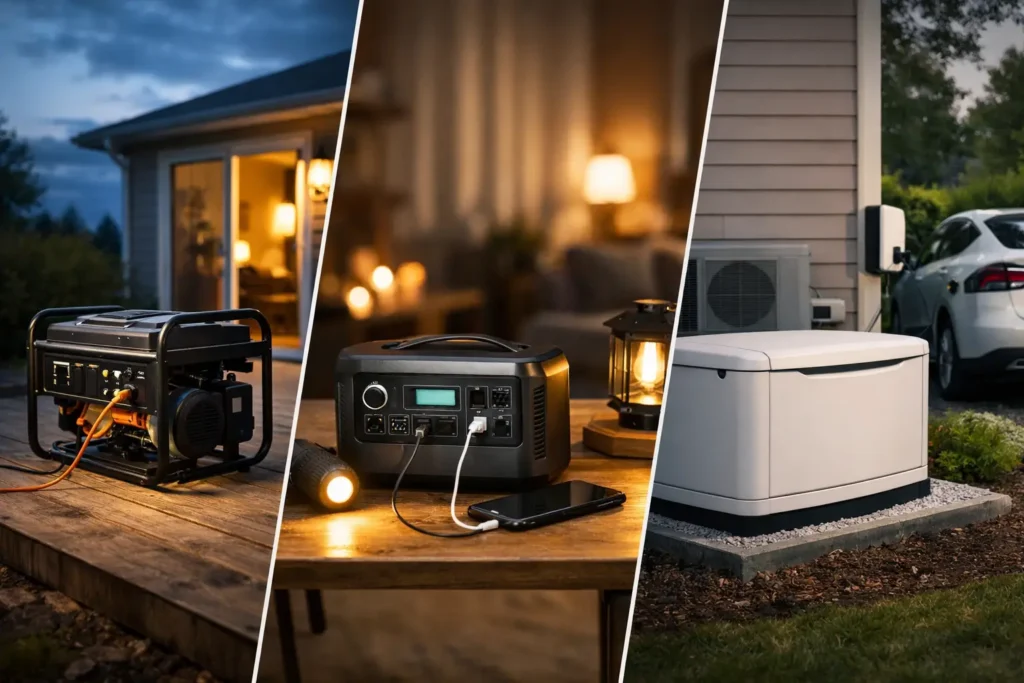
The lights flicker, the Wi-Fi drops, and suddenly a fully charged phone feels less like a convenience and more like a plan. The best backup power examples are not all giant generators or complicated solar setups. For most households, they are practical tools that keep a phone, light, medical device, work setup, or essential appliance running long enough to make an outage far less stressful.
Choosing the right option starts with one question: what do you actually need to keep powered? A renter may only need phone charging and light. A parent may want to keep a baby monitor, night-light, and bottles warmer through a short outage. A homeowner working remotely may need internet equipment and a laptop online. Match the power source to the job, and you can shop smart without paying for capacity you will never use.
Backup Power Examples for Home, Work, and Travel
1. Power banks for phones and small USB devices
A power bank is the simplest place to start. It stores electricity for USB-powered essentials such as smartphones, wireless earbuds, smartwatches, rechargeable flashlights, and some small fans. It is compact enough for a purse, glove box, or bedside drawer, which makes it useful during both a blackout and an ordinary long day away from an outlet.
Capacity matters. A smaller model may provide one extra phone charge, while a higher-capacity power bank can recharge several devices or support a phone and tablet. Look for the ports your household uses, especially USB-C if your newer devices rely on it. This is not a solution for a refrigerator or a laptop with a high-wattage charger, but it is one of the most affordable ways to protect communication when the power goes out.

INIU 10000mAh 45W Fast Charging Portable Charger, Smaller Travel Power Bank
2. Rechargeable lanterns and flashlights
Backup power is also about seeing clearly. Rechargeable lanterns, LED flashlights, and headlamps replace the old habit of searching for candles when the room goes dark. They are safer around children and pets, do not create an open flame, and can be used repeatedly.
A lantern is especially helpful for shared spaces such as the kitchen, living room, or dining table. A headlamp works well when you need both hands free to check a breaker, walk the dog, or prepare food. Keep lights in predictable places, and recharge them after use rather than discovering empty batteries during the next storm.
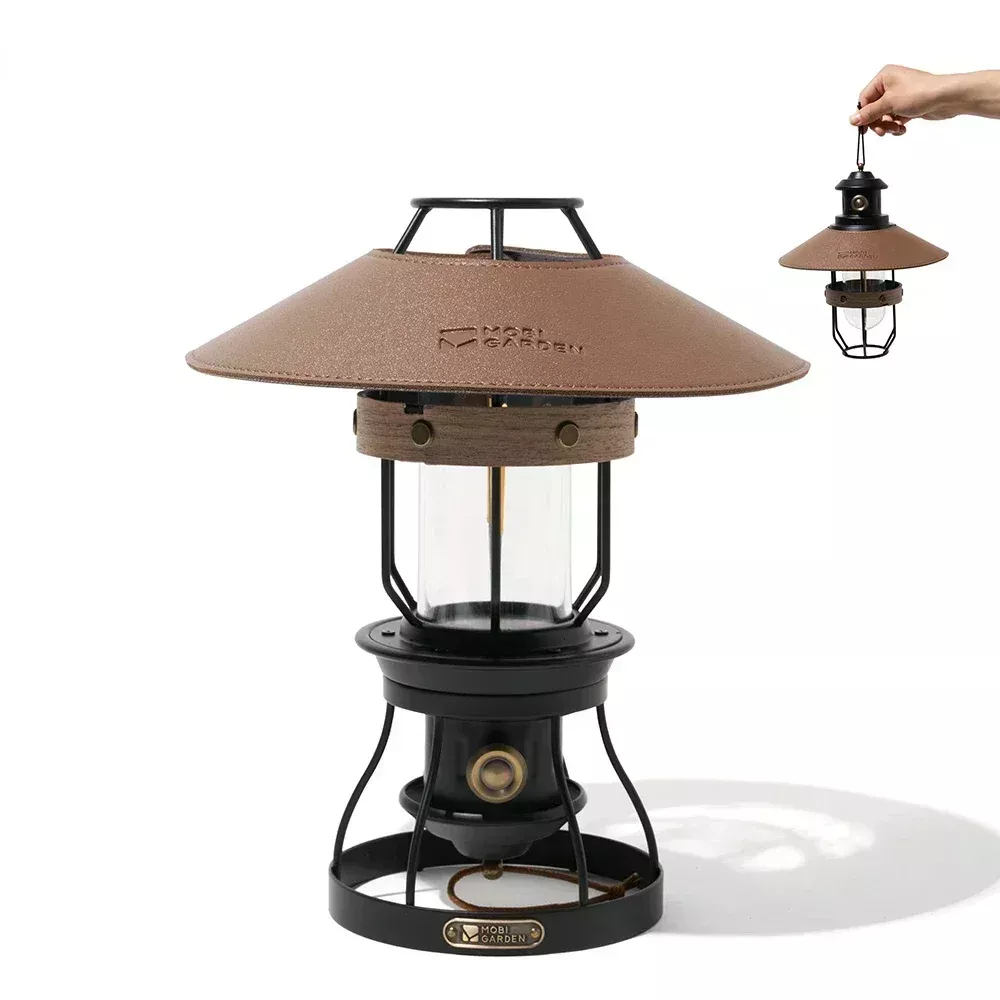
Water-Resistant LED Camping Lantern for Indoor & Outdoor Use
3. Uninterruptible power supplies for Wi-Fi and computers
An uninterruptible power supply, often called a UPS, gives connected electronics a short window of battery power the moment utility power fails. It is a smart fit for desktop computers, routers, modems, security cameras, and certain smart-home hubs. In many cases, its biggest benefit is not hours of runtime. It is preventing a sudden shutdown that can interrupt work or risk data loss.
For a work-from-home setup, a UPS can keep the internet connection active long enough to save files, send a quick message, or finish a call. Runtime depends heavily on what is plugged in, so check the watt rating instead of assuming every unit will run your setup for the same length of time. Plugging in a monitor, gaming PC, and printer will drain it much faster than a router and modem alone.

CyberPower CP1500PFCLCD PFC Sinewave UPS Battery Backup and Surge Protector
4. Portable power stations
Portable power stations are rechargeable battery units with a mix of USB, AC wall-style outlets, and sometimes car-style ports. They are a versatile middle ground between a basic power bank and a fuel-powered generator. Depending on capacity, they can charge laptops, run a fan, power lights, keep a router online, or support selected small appliances for a limited period.
They are popular for apartments because they can generally be used indoors when operated according to the manufacturer’s instructions. There is no gasoline, exhaust, or generator noise. The trade-off is capacity: a portable station may handle several useful items, but it will not automatically power every appliance in the house. Before buying, check both watt-hours, which indicate stored energy, and maximum output watts, which indicate what the unit can run at one time.
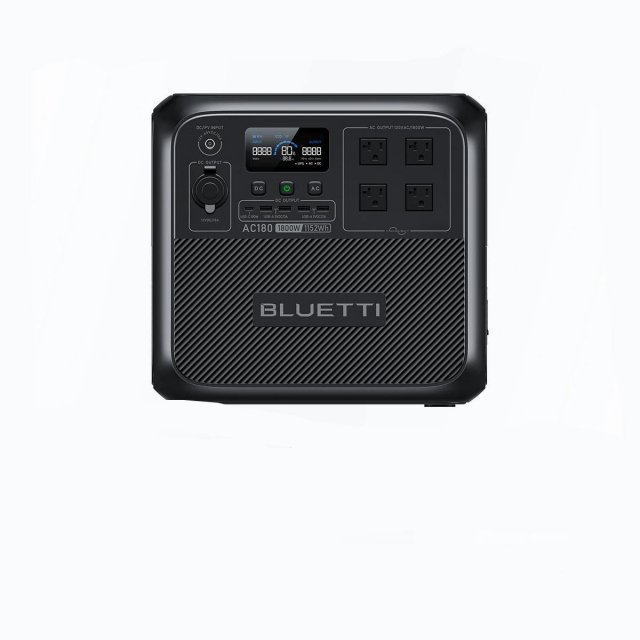
BLUETTI 1800W Portable Power Station 1152Wh for Camping, Hiking & Emergencies
5. Solar panels paired with a power station
A compatible solar panel can recharge a portable power station during an extended outage, camping trip, or road trip. This setup makes sense for people who spend time outdoors or live where storm-related outages can last longer than a single evening. It can also reduce the need to rely entirely on wall charging between uses.
Solar has real limits. Panel output changes with weather, season, shade, panel angle, and daylight hours. Treat it as a helpful recharge option, not a promise of unlimited electricity. Confirm that the panel and power station use compatible connectors and charging specifications before making a purchase.
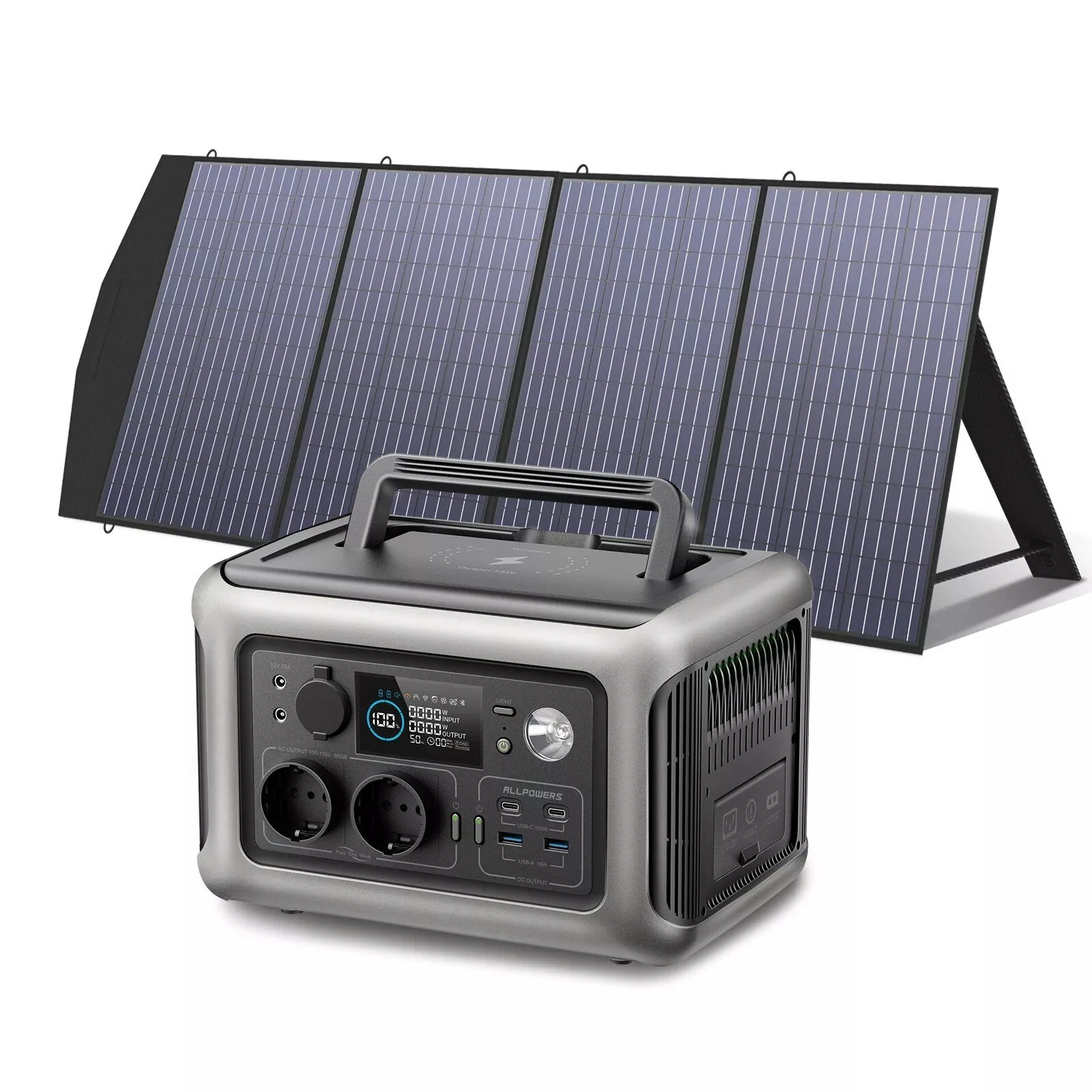
Solar Energy Charger with LiFePo4 Battery 299Wh 600W Portable Power Station
6. Car power inverters
A car power inverter converts a vehicle’s battery power into an outlet suitable for certain electronics. It can be useful for charging a laptop, camera batteries, or phones during travel and shorter emergencies. Some models plug into a 12-volt vehicle outlet, while others connect more directly to the battery for higher-demand uses.
This option requires care. Running electronics while the vehicle is off can drain the car battery, leaving you with a second problem. Never operate a vehicle in a garage or enclosed area to charge devices. For occasional charging on the go, though, an inverter can be a handy addition to a travel or emergency kit.
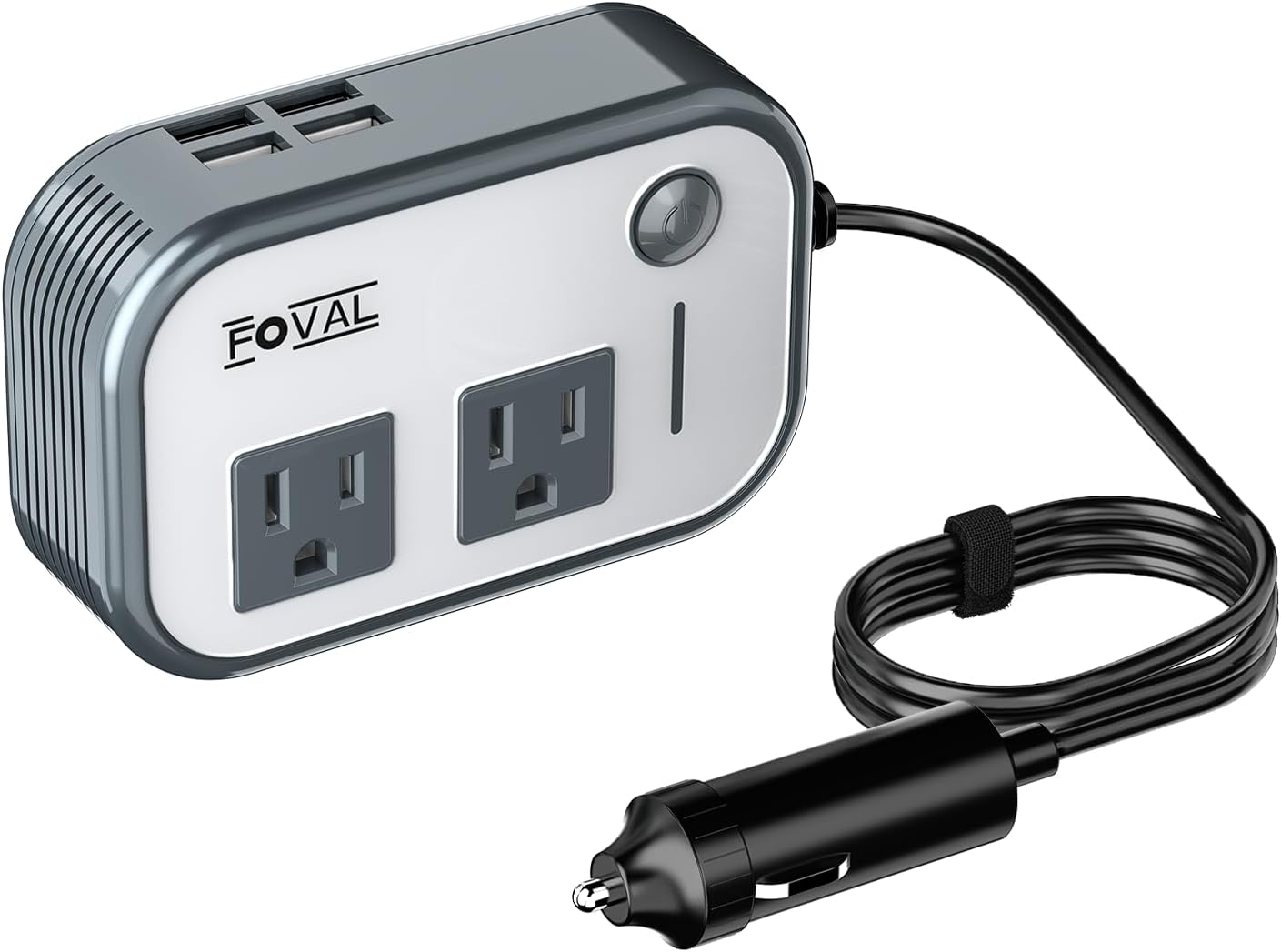
200W Car Power Inverter, FOVAL 12V DC to 110V AC Car Inverte with 4 USB Ports Car Outlet Adapter, Power Inverter for Vehicles, Car Plug Adapter Outlet for Laptop Computer Charger
7. A generator for larger household needs
A portable generator can power selected high-demand essentials, such as a refrigerator, sump pump, freezer, or window air conditioner, depending on the model and your setup. It is often the right choice for homeowners preparing for longer outages, particularly in regions affected by hurricanes, ice storms, or frequent severe weather.
It also demands more planning than the options above. Fuel must be stored safely, wattage must be calculated carefully, and generators must run outdoors well away from doors, windows, and vents because of carbon monoxide risk. A transfer switch installed by a qualified professional is the safest way to connect a generator to home circuits. Never plug a generator directly into a wall outlet.

DuroMax XP13000EH 13,000-Watt Dual Fuel Portable Generator - Gas & Propane, Electric Start, Whole Home Backup Power, Transfer Switch Ready, RV & Emergency Ready
8. Battery backup for essential medical equipment
For households that depend on CPAP machines, mobility equipment, refrigerated medication, or other medically necessary devices, backup power planning should be more specific. Some equipment has manufacturer-approved battery options, while other needs may require a properly sized power station or generator plan.
Check the device manual and speak with the equipment provider or a qualified professional before relying on any backup source. Battery runtime can change based on settings, heat, humidity, and the device’s actual power draw. This is one area where guessing is not worth the risk.
CyberPower CP1500PFCLCD PFC Sinewave UPS Battery Backup and Surge Protector
9. Rechargeable batteries and battery organizers
Not every emergency tool needs a plug. Rechargeable AA and AAA batteries can keep compatible flashlights, radios, toys, and household devices useful during an outage. A simple battery organizer helps you see what is available and separates charged batteries from used ones.
This option is easy to overlook because it feels basic, yet it solves a familiar problem: finding a flashlight that works but has no usable batteries. Keep a charger accessible and build a quick recharge routine after storms, holiday travel, or any time supplies are used.

EBL Black Super Power Rechargeable Battery Box for Household Electronics
10. A small, layered backup kit
The most useful setup is often a combination rather than one expensive purchase. For example, an apartment household may pair a high-capacity power bank with a lantern and a small portable power station. A homeowner may add a UPS for internet equipment and a generator for selected appliances. Parents might keep a charged lantern near children’s rooms, plus a power bank for phones and a backup option for a baby monitor.
This layered approach protects the things that matter most without treating every device as equally urgent. It also makes a practical gift idea for new homeowners, college students, frequent travelers, or anyone building an emergency kit for the first time.
How to Choose Among Backup Power Examples
Start by making a short list of essentials and checking each item’s wattage or charging needs. Think in real-life scenarios: a two-hour evening outage requires a different plan than a three-day weather emergency. Then consider where you live. Apartment residents need quiet, indoor-safe options, while homeowners with outdoor space may have more choices.
Pay attention to safety features, charging time, portability, and storage. A large power station has more capability, but it may be too heavy to move easily. A generator offers serious output, but it comes with fuel, noise, and outdoor-use requirements. A compact power bank is easy to carry, but it is designed for personal electronics, not household appliances.
If you are refreshing your home-preparedness supplies, look for everyday items you will use beyond an outage. Rechargeable lights, portable chargers, travel-friendly accessories, and smart-home essentials can earn their space all year. PO-Store’s practical, discovery-friendly approach fits that mindset: choose useful gear that makes ordinary routines easier and gives you more confidence when plans change.
The right backup power plan does not need to be dramatic. Charge what you have, choose one upgrade that solves your biggest gap, and keep it where you can reach it before the next flicker turns into a full outage.





Pingback: How to Choose a Shower Filter for Your Water | PO‑STORE