

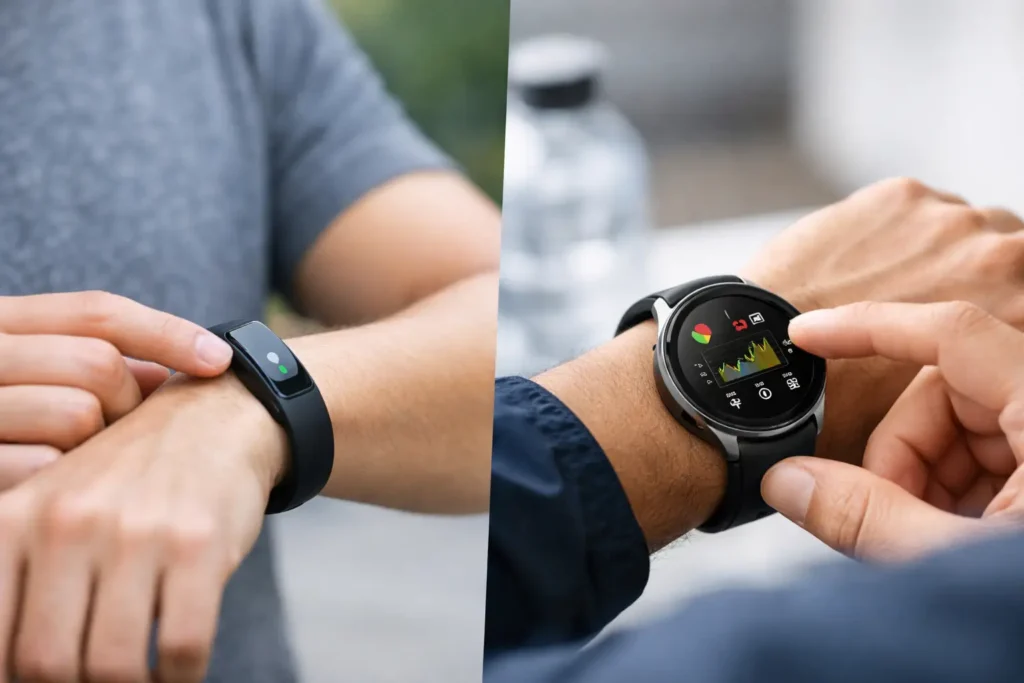
A wearable can either become the small tool that makes your routine easier or an expensive screen you stop charging after two weeks. The fitness tracker vs smartwatch decision is less about which device has the longer feature list and more about what you want on your wrist when you are working, sleeping, exercising, and trying to put your phone down.
For many shoppers, a fitness tracker is the better wellness companion because it stays focused, lasts longer between charges, and costs less. A smartwatch makes more sense when health data is only part of the equation and you also want calls, messages, maps, payments, music, and apps without reaching for your phone. Here is how to separate useful features from the marketing noise.
Fitness Tracker vs Smartwatch: The Core Difference
A fitness tracker is built primarily to monitor movement, workouts, sleep, heart rate, and related health trends. It is usually lighter and simpler than a watch, often with a narrow screen or no screen at all. The goal is passive, low-friction tracking: wear it, check your progress, and make small adjustments over time.
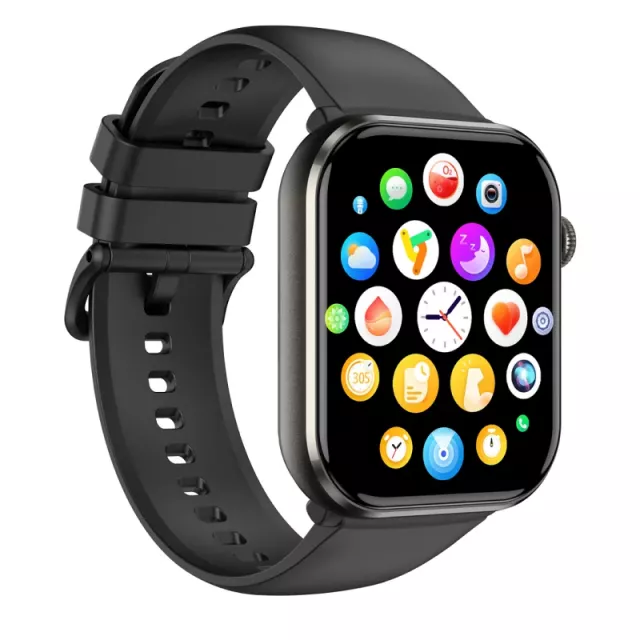
A smartwatch is closer to a mini phone on your wrist. Most models track the same basics, but add a larger display, app support, notifications, calling or texting options, digital payments, music controls, navigation, and customizable watch faces. Some even offer cellular service, so you can leave your phone at home for a run or quick errand.
That broader feature set is useful, but it comes with trade-offs. Smartwatches generally cost more, require more frequent charging, and can create another source of alerts during an already busy day. A tracker typically asks less of you, which is exactly why it works better for some people.
Choose a Fitness Tracker If Wellness Is the Priority
A fitness tracker is a practical choice if your main goal is to understand your habits without turning your wrist into another command center. Most good trackers cover the data people actually use: steps, active minutes, calories, heart rate, workout duration, sleep stages, and recovery signals. Depending on the model, you may also get blood oxygen estimates, stress tracking, menstrual-cycle tracking, skin-temperature trends, and guided breathing sessions.
The biggest advantage is battery life. Many fitness trackers run for five to 10 days, and some last longer. That means you are more likely to wear one overnight, which makes sleep tracking more complete. A device cannot show useful patterns if it is sitting on a charger every evening.
Trackers also tend to be more comfortable for sleep and everyday wear. Their slimmer profile matters if you dislike bulky watches, work with your hands, or simply want something that disappears into your routine. For first-time wearable buyers, that simplicity can be a better long-term fit than a feature-packed device.
A tracker is especially worth considering if you want accountability rather than constant connectivity. You can see whether you took enough walking breaks, whether your sleep schedule shifted, or whether a new exercise routine is becoming consistent. Those are meaningful signals, even without an app store on your wrist.


Where fitness trackers can feel limited
The trade-off is that a tracker may not replace a watch you already rely on. Its screen can be too small for reading messages comfortably, built-in GPS may be absent or less accurate than on a higher-end smartwatch, and workout metrics may be less detailed for serious runners, cyclists, or strength athletes.
Some trackers also place their most helpful reports behind a paid subscription. Before buying, check what is included with the device and what requires a monthly membership. A lower sticker price is not always the lower long-term cost.
Choose a Smartwatch If Convenience Matters Most
A smartwatch earns its place when you want less phone handling throughout the day. It can show calendar reminders during meetings, let you glance at a delivery alert while cooking, guide you on a walk in an unfamiliar neighborhood, or let you pay for coffee without pulling out your wallet. These small conveniences add up for busy professionals, parents, and anyone who prefers to keep their phone tucked away.
Health tracking is no longer a weak point for smartwatches. Many offer continuous heart-rate monitoring, sleep data, workout detection, GPS route tracking, ECG features on supported models, fall detection, and emergency calling tools. For someone who wants one device for fitness, safety, and communication, the all-in-one appeal is real.
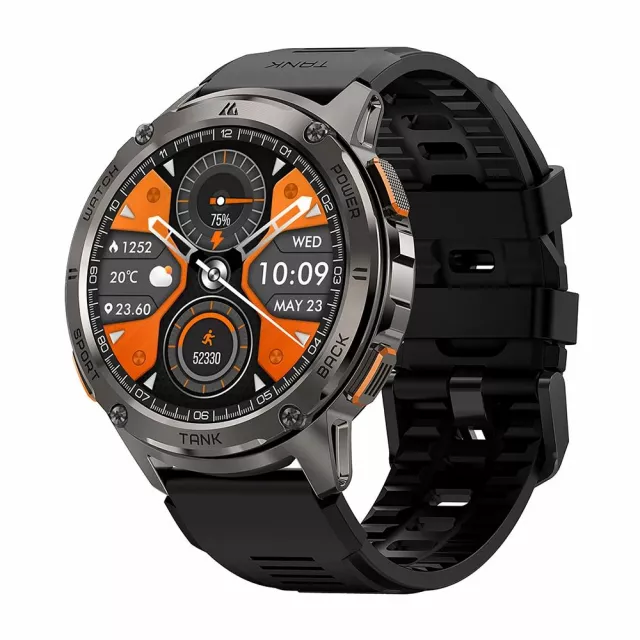
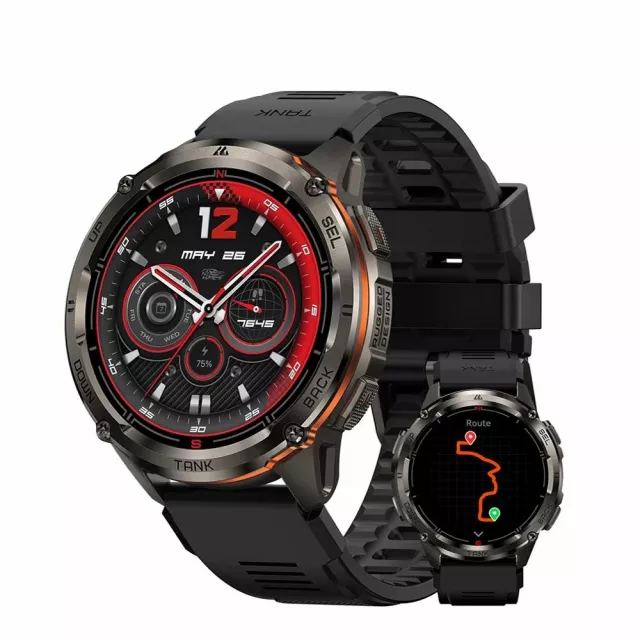
Smartwatch are also usually better for people with specific training goals. A larger screen makes it easier to follow pace, heart-rate zones, intervals, elevation, maps, and live workout prompts. If you train outdoors or want to run phone-free, GPS and optional cellular connectivity can be genuinely useful rather than just nice to have.
A Few More Factors That Make the Decision Easier
Another angle to consider is how much you enjoy checking data. Some people love seeing charts, trends, and weekly summaries. Others prefer a quick glance at a few core numbers. A fitness tracker keeps things simple by design, while a smartwatch can turn into a dashboard of metrics, apps, and widgets. Neither approach is wrong — it just depends on whether you want a lightweight nudge or a full control center.
Long-term comfort also plays a bigger role than most shoppers expect. A device you barely notice is one you will wear consistently, and consistency is what makes the data meaningful. If you already dislike the feeling of a heavy watch, a slim tracker will likely fit your lifestyle better. If you enjoy the look and presence of a watch, a smartwatch may feel more natural.
Think about how often you want to interact with your wearable. A tracker encourages passive use: wear it, forget about it, and check your progress later. A smartwatch invites more active engagement throughout the day. That can be motivating or distracting depending on your personality.
Finally, remember that your needs may change. Many people start with a tracker to build habits and later upgrade to a smartwatch once they want richer training tools or more convenience. The best choice today is simply the one that supports the routine you are trying to build.
The smartwatch compromises to consider
Battery life is the first issue. Many popular smartwatches need charging daily or every other day, especially if you use an always-on display, GPS workouts, music streaming, or cellular service. Missing a charge can mean missing a night of sleep data or the next morning’s workout.
Notifications are the second. A smartwatch can reduce phone checking, but only if you set boundaries. If every email, social alert, and group chat buzzes on your wrist, it may make you feel more distracted rather than more organized. Plan to customize alerts from day one.
Finally, compatibility matters. Some watches work best, or only work, within a particular phone ecosystem. Confirm that the device supports your current phone and the health apps you already use before you commit.
Compare the Features You Will Actually Use
Do not choose based on the number of sensors alone. The most useful wearable is one that gives you information you understand and will act on.
Start with health data. If you want a simple view of steps, sleep consistency, resting heart rate, and weekly activity, a fitness tracker is often enough. If you want on-wrist workout guidance, route maps, detailed sport modes, or faster access to safety tools, a smartwatch is likely the better match.
Then consider charging habits. People who forget to charge devices should lean toward a tracker. People who already charge a phone, earbuds, and watch each night may not mind a smartwatch’s shorter battery life. There is no perfect answer here, only the device that fits your habits.
Screen size is another overlooked factor. A bright, full-color smartwatch display is easier to read for navigation, messages, and live workout stats. A smaller tracker screen is less distracting, lighter on the wrist, and often better for people who just want a quick check-in.
Price deserves an honest look, too. Fitness trackers commonly offer strong value for everyday health monitoring. Smartwatches can be worth the higher cost when their communication and app features replace other friction in your day. Avoid paying for cellular service, advanced running metrics, or a premium case material if you know you will not use them.
Questions to Ask Before You Buy
Instead of asking which wearable is best overall, ask what problem you want it to solve. Are you trying to sleep more consistently, build a walking habit, train for an event, stay reachable without holding your phone, or add a reassuring safety feature for a family member?
Also think about comfort and durability. If you plan to wear the device in bed, at the gym, and in the shower, size, band material, water resistance, and charging convenience can matter more than one extra metric. A watch that looks impressive but feels irritating will not produce useful long-term data.
Be realistic about health claims. Consumer wearables can reveal trends and prompt worthwhile conversations with a clinician, but they do not diagnose medical conditions. Read unusual readings in context, especially if you feel unwell or have an existing health concern.

The Better Buy Is the One You Keep Wearing
The fitness tracker vs smartwatch choice comes down to focus versus flexibility. Choose a fitness tracker when you want long battery life, comfortable all-day wear, and clear wellness insights without another distracting screen. Choose a smartwatch when you value phone-free convenience, richer workout tools, and a connected device that can handle more of your day.
The smart purchase is not necessarily the newest or most expensive wearable. It is the one you will charge, wear, understand, and use often enough to make your daily routine a little better.
