

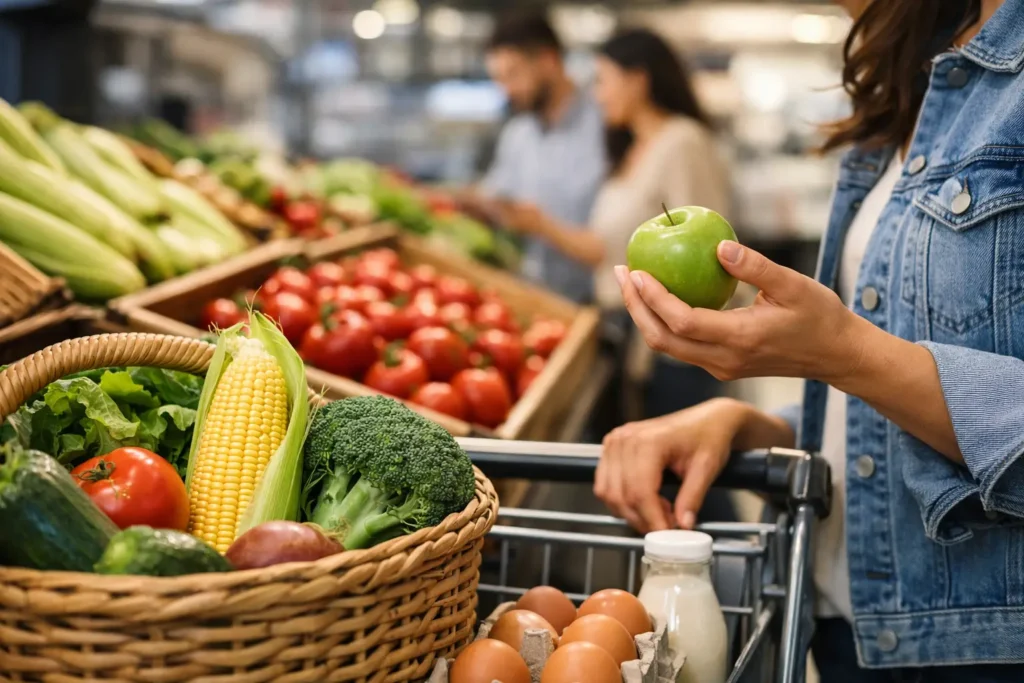
A cereal box, carton of milk, or bag of chips can carry a prominent non-GMO claim, often right next to other signals shoppers use to make quick decisions: organic, natural, grass-fed, or gluten-free. So, what does non GMO mean in practical terms? It means the product was made without ingredients from genetically modified organisms, according to the standards behind that specific label or claim. It can be useful information, but it is not a universal shortcut for “healthiest” or “best.”
For shoppers trying to spend wisely and feed a household well, the key is knowing what the label tells you, what it leaves out, and when it should influence your choice.
What does non GMO mean, exactly?
GMO stands for genetically modified organism. In food, it generally refers to a plant or other organism whose genetic material has been altered using methods that go beyond traditional breeding. Genetic modification may be used to help crops resist certain pests, tolerate herbicides, or handle difficult growing conditions.
A non-GMO product is made without genetically modified ingredients. In the United States, that matters most for foods containing crops that are commonly genetically engineered, including corn, soybeans, canola, sugar beets, alfalfa, papaya, some potatoes, and certain varieties of squash.
That definition sounds simple, but labels can be more complicated than they appear. A product may contain a clear non-GMO certification, use a company’s own non-GMO statement, or qualify as organic under USDA rules. Those claims overlap in some ways, but they are not identical.
How non-GMO labels are verified
The strongest non-GMO claims usually come from third-party verification. One familiar example is the Non-GMO Project Verified seal. Products carrying that seal have gone through a review process designed to assess ingredients, manufacturing practices, and the risk of genetically modified material entering the supply chain.
Verification does not usually mean a food is guaranteed to contain zero trace genetic material in every circumstance. Farming, transportation, and food production involve many points where crops can mix. Instead, respected verification programs set testing and traceability requirements intended to keep GMO ingredients out and manage unavoidable risk.
A package can also say “non-GMO” without showing a third-party seal. That does not automatically make the claim untrustworthy, but it gives shoppers less independent context. If the label matters to you, look for a specific certification or check whether the brand explains its standards clearly.

PO-STORE
Grab something awesome from our shop!

Non-GMO, organic, and natural are not the same
These terms are often grouped together, yet they answer different questions.
USDA organic products cannot intentionally use genetically modified organisms. So if you buy a product labeled USDA Organic, it already meets an important non-GMO standard. Organic certification also covers a broader set of farming and processing rules, including restrictions on many synthetic pesticides and fertilizers.
A non-GMO product, on the other hand, is not necessarily organic. It may still be grown using conventional farming methods and may contain ingredients that do not meet organic standards. A non-GMO cookie is still a cookie, with the same need to check its sugar content, fats, portion size, and overall ingredient quality.
“Natural” is different again. It is not a reliable indicator of whether a food contains GMO ingredients. The term can sound reassuring, but its meaning varies widely by product category and manufacturer. Treat it as a marketing description, not a substitute for a certification or a close look at the ingredient list.
Does non-GMO mean a food is healthier?
Not by itself. A non-GMO label tells you about how certain ingredients were sourced, not whether the final food is nutrient-dense, low in added sugar, minimally processed, or right for your dietary needs.
For example, a non-GMO frozen meal may be a convenient weeknight option, but you should still compare sodium, protein, vegetables, and serving size. A non-GMO protein bar may fit your preferences, while another bar with a similar label may be loaded with sweeteners and offer little staying power. The label is one data point, not a complete product review.
The broader scientific and regulatory conversation around genetically modified foods is nuanced. Major scientific and public health organizations generally consider approved genetically engineered foods on the market to be safe to eat. At the same time, many shoppers prefer non-GMO products because they want more control over farming practices, environmental considerations, ingredient sourcing, or their family’s food choices.
That preference is valid. You do not need to treat non-GMO as a medical requirement to decide it is worth paying attention to. The most practical approach is to separate personal values from claims the label cannot make. Non-GMO can reflect your priorities, but it does not automatically prove superior nutrition or safety.
When the label matters most
Non-GMO claims tend to be most relevant when a product contains ingredients derived from crops commonly grown in genetically engineered forms. Corn, soy, canola, and sugar beet ingredients show up in far more packaged foods than many people realize.
On an ingredient panel, that can mean corn syrup, corn starch, soybean oil, soy protein, canola oil, or sugar. Animal products can be another consideration: eggs, dairy, and meat are not genetically modified themselves, but the animals may have eaten GMO feed. If that distinction matters to you, look for a label that addresses animal feed specifically rather than assuming “non-GMO” covers it.
The claim may matter less on foods with no meaningful GMO risk. A bottle of plain mineral water, for example, does not need a non-GMO label to be a sensible choice. The same goes for many single-ingredient foods that are not commercially available in genetically engineered varieties. In those cases, the label may add more shelf appeal than useful decision-making value.
A smarter way to shop for non-GMO products
Start with the foods you buy repeatedly. If your household goes through lots of cereal, snacks, plant-based milk, cooking oil, or packaged pantry staples, choosing a trusted non-GMO option in those categories may feel more meaningful than trying to replace every item at once.
Then compare the whole product, not just the front of the package. Check the ingredient list, nutrition facts, serving size, price per ounce, and how likely the food is to get used before it expires. A higher-priced non-GMO option that your family enjoys and uses regularly may be a better purchase than a bargain product that gets pushed to the back of the pantry.
For fresh produce, buying organic can be a straightforward route when you want both organic and non-GMO standards. For packaged foods, third-party verification can provide extra confidence. And when a brand makes a vague claim with no certification or explanation, it is reasonable to give that label less weight.
There is also a budget reality worth acknowledging. Organic and verified non-GMO products can cost more, and not every grocery budget can absorb that difference across every category. Prioritizing a few staples is often more sustainable than turning food shopping into an all-or-nothing rule.
Read beyond the badge
Food labels are designed to catch your attention quickly, but smart shopping happens when you pause long enough to ask what a claim actually means. Non-GMO can be a helpful filter for people who want to avoid genetically modified ingredients or support a particular approach to food production. It is simply not a replacement for evaluating quality, nutrition, taste, and value.
The next time a non-GMO badge stands out on the shelf, let it earn its place in your decision instead of making the decision for you. Choose the products that match your priorities, fit your routine, and make everyday meals feel a little easier to get right.
PO-STORE
Grab something awesome from our shop!




Pingback: Smart Lock vs Traditional Deadbolt Compared | PO‑STORE