

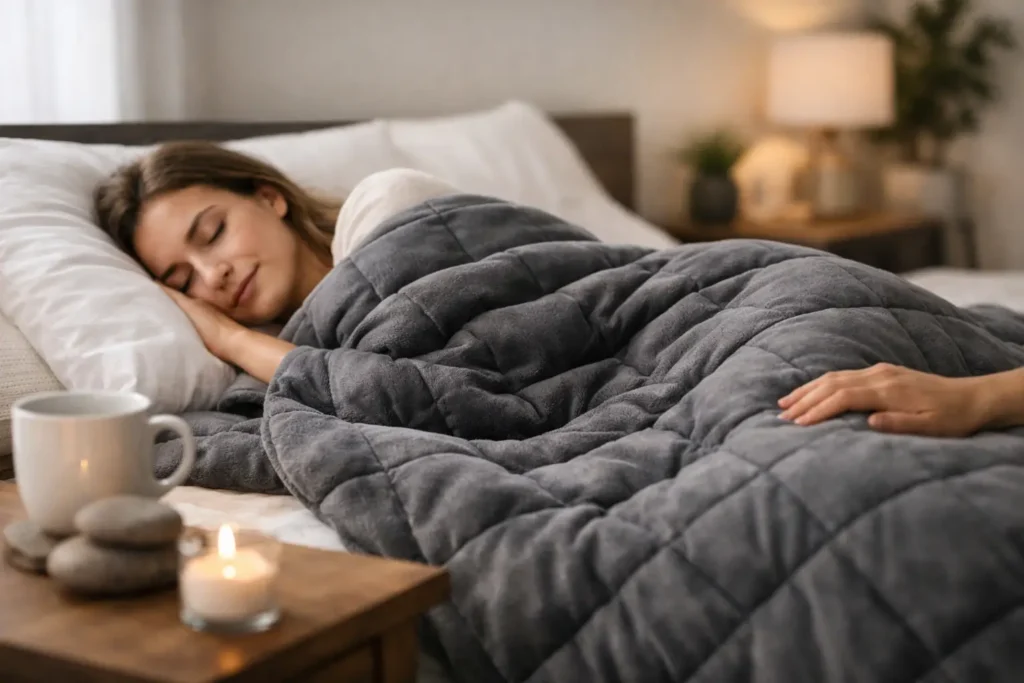
You can usually tell within one night whether a weighted blanket feels calming or just feels like too much laundry on your body. That is why the question, are weighted blankets worth it, has a less glamorous answer than the marketing suggests. For some people, they are a genuinely useful sleep upgrade. For others, they are expensive, hot, and quickly shoved to the back of a closet.
If you are trying to shop smarter and avoid another wellness product that sounds better online than it works at home, the real question is not whether weighted blankets are good. It is whether the right one matches your sleep habits, body temperature, and comfort preferences.
Are weighted blankets worth it for better sleep?
Sometimes, yes. A weighted blanket can help some people feel more settled at bedtime because the gentle pressure creates a cocoon-like effect. Many users describe it as soothing, especially if they tend to toss and turn, feel restless at night, or struggle to wind down after a long day.
That said, the effect is highly personal. Some people fall asleep faster under one and wake up less during the night. Others feel trapped, overheated, or annoyed by the extra weight. The blanket itself does not fix the root cause of poor sleep, so if your sleep issues come from pain, sleep apnea, a bad mattress, noise, or stress that keeps your mind racing, a weighted blanket may help at the edges but not solve the problem.
The strongest case for buying one is comfort. If deep pressure feels calming to you, the blanket can become part of a bedtime routine that actually gets used. If you already dislike heavy bedding or kick blankets off in your sleep, it probably will not earn its shelf space.
What weighted blankets actually do well
The biggest benefit is simple: they make some people feel grounded. That can be helpful during sleep, but also while reading, watching TV, or decompressing after work. A weighted blanket is not just a nighttime product. For many buyers, its value comes from those quiet moments when they want to relax but still feel mentally switched on.
There is also a practical benefit to routine. Products that support consistent habits often feel more useful than products that promise dramatic change. A weighted blanket can signal to your body that it is time to slow down, much like dim lights or a familiar playlist. That does not sound exciting, but it is often how wellness products become worth the money – not through magic, but through repeat use.
Some shoppers also like that a weighted blanket feels more substantial than standard throw blankets. It can make a bed or sofa setup feel more intentional and more comfortable, especially in colder months.
Where the hype goes too far
Weighted blankets are often marketed as if they work for everyone, and that is where people get disappointed. They are not a universal fix for insomnia, anxiety, or stress. They may help you feel calmer, but they are still a blanket, not a treatment plan.
They also come with real trade-offs. Heat is the most common complaint. Even breathable designs can feel warm, and if you are already a hot sleeper, the extra weight may make sleep worse instead of better. Weight distribution matters too. Cheaper options can bunch up, shift filling around, or feel lumpy after a few months of use.
Then there is the maintenance issue. Weighted blankets are harder to wash, slower to dry, and generally less convenient than normal bedding. That matters more than it sounds. If something is annoying to clean or awkward to move, people use it less.
Who usually gets the most value
Weighted blankets tend to be worth it for adults who like the feeling of pressure and want a simple comfort-focused upgrade. If you already sleep with several blankets, prefer a tucked-in feel, or enjoy that secure, bundled sensation, you are more likely to love one.
They also make sense for people building a better wind-down routine. If your evenings are full of screens, stress, and mental clutter, adding one tactile, calming item can be more helpful than another app or gadget.
They are less likely to be worth it if you sleep hot, move around a lot, or hate anything restrictive. The same goes for buyers who are expecting dramatic results from a single purchase. A weighted blanket works best as one part of a comfortable sleep setup, not as a cure-all.
How to decide if a weighted blanket is worth the price
Price matters because weighted blankets live in that tricky category between essential and optional. They are not as cheap as a regular throw, but they are not a major furniture purchase either. Whether they feel worth it usually comes down to construction quality and fit.
A good one should feel evenly weighted, well stitched, and reasonably breathable for your climate. If the fill shifts or the fabric traps too much heat, even a lower price can feel like bad value. On the other hand, a well-made option that gets used every evening can justify its cost pretty quickly.
This is one product where buying the cheapest version often backfires. If you are curious but skeptical, it is smarter to buy a mid-range option with better materials than a bargain pick that feels uncomfortable after a week.
Weight and size make or break the experience
A lot of dissatisfaction comes from choosing the wrong weight. Too light, and the blanket feels pointless. Too heavy, and it becomes a wrestling match at bedtime.
Most adults do best with a blanket that feels substantial without pinning them down. The commonly suggested range is around 10 percent of body weight, but treat that as a starting point, not a rule. Personal preference matters a lot more than formulas.
Size matters too. Weighted blankets are usually meant to fit the person, not hang over the sides of the bed like a comforter. That surprises some buyers. A smaller blanket keeps the weight concentrated where you want it. A blanket that is too large can feel awkward and slide around more easily.


Materials matter more than most product pages admit
If you are comparing options, look closely at the outer fabric and the fill. Cotton tends to feel more breathable and practical for year-round use. Plush fabrics can feel cozy at first but may run too warm for many sleepers. Glass bead filling often feels smoother and quieter than plastic pellets, especially in better-made blankets.
A removable cover is also worth paying for. It makes cleaning far easier and extends the life of the blanket itself. This is one of those small features that rarely gets top billing but makes a big difference in real ownership.
If you plan to use the blanket beyond bedtime, texture matters as much as weight. A scratchy or stiff fabric will not feel relaxing, no matter how well the product is made.
Are weighted blankets worth it for anxiety or stress?
They can be, but expectations need to stay realistic. A weighted blanket may help some people feel calmer in the moment. That can be genuinely valuable, especially at night or during high-stress periods. But it is support, not a substitute for broader care.
Think of it like a comfort tool. If a heavier blanket helps your body settle enough to read, rest, or drift off without as much restlessness, that is a meaningful benefit. If your stress shows up as overheating, irritability, or a strong need to move around, the same blanket might have the opposite effect.
This is where honest reviewing matters. Products like this live or die by fit, not by promises. At PO-Store, the smarter approach is to judge them by daily usefulness. Do they help enough to earn repeat use? If yes, they are worth considering. If not, the marketing does not matter.
When you should skip one
Skip a weighted blanket if you know you dislike heavy covers, live in a warm climate without strong AC, or want something easy to wash every week. It is also not the best pick if you are buying based on curiosity alone and tend to abandon niche wellness products after the novelty wears off.
You should also be cautious if you have health or mobility concerns that make heavy bedding uncomfortable or difficult to remove. In those cases, comfort and safety matter more than trend appeal.
For gift-giving, weighted blankets can be hit or miss. Some people love them. Others feel weirdly trapped under them. Unless you know the recipient likes deep pressure and cozy bedding, it may be safer as a self-purchase than a surprise gift.
The honest answer
So, are weighted blankets worth it? Yes, if you want a comfort-first product that can make downtime and sleep feel more calming, and you choose the right weight, fabric, and size. No, if you sleep hot, hate restrictive bedding, or expect a blanket to solve bigger sleep problems.
The best way to think about one is not as a miracle product, but as a personal comfort tool. If that sounds modest, good. Modest expectations usually lead to better buys – and fewer regrets.

PO-STORE
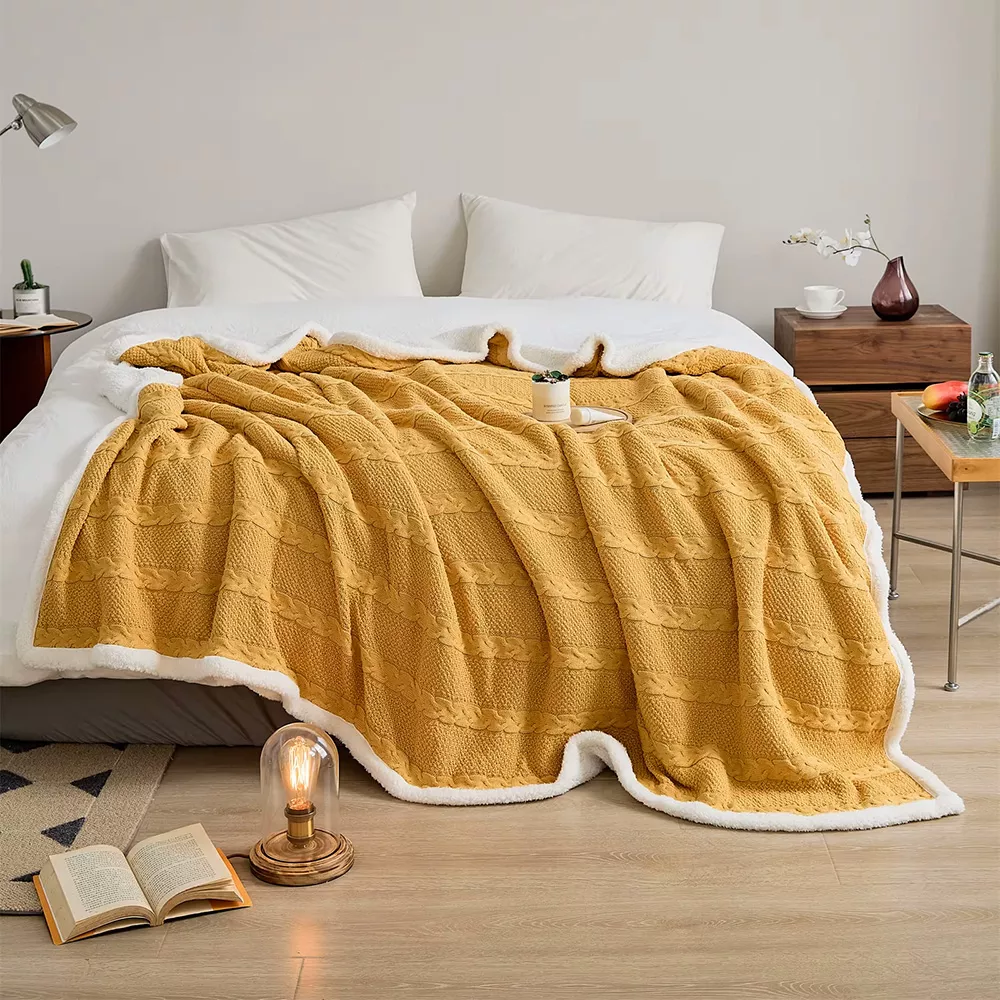
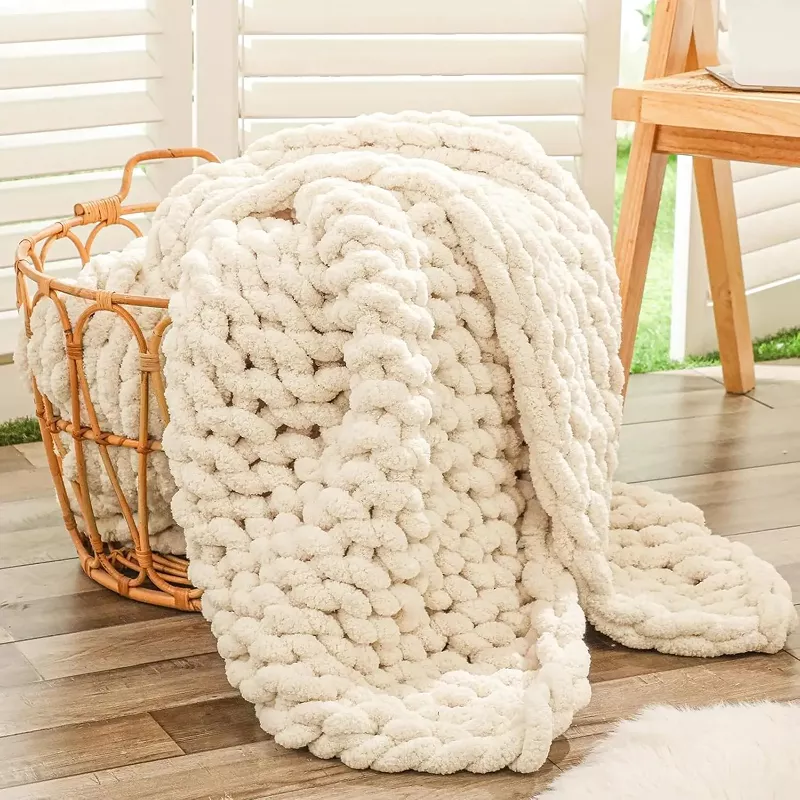
Before you go, check out our store for a wider variety of blankets designed for every sleeper.




Pingback: AI Skill Building: Why You Are Falling Behind | PO‑Store
Pingback: How to Use Sunrise Alarm Clocks Right | PO‑Store