

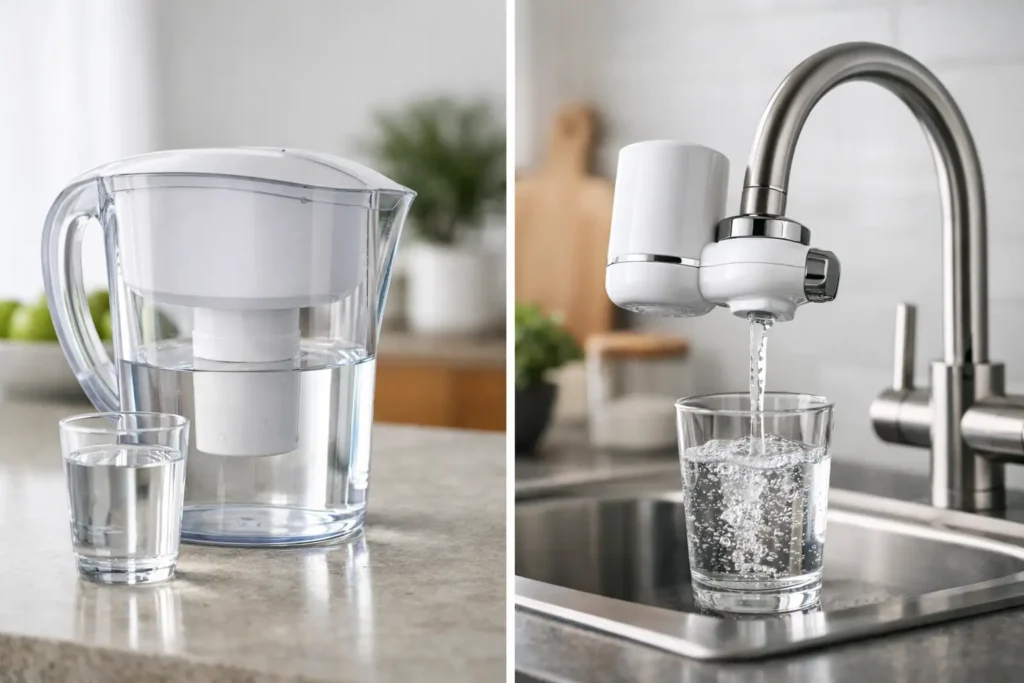
A glass of water is one of the simplest home upgrades to get right, yet the choice between a water filter pitcher vs faucet can feel surprisingly unclear. Both can improve the taste of municipal tap water and reduce certain unwanted contaminants, but they solve different everyday problems. The better pick depends less on marketing claims and more on your household’s water habits, sink setup, budget, and willingness to keep up with filter changes.
For many homes, a pitcher is the easy entry point. A faucet-mounted filter is often the better convenience upgrade. Neither is automatically the safest or most capable option, so the smart move is to understand what each one actually does before putting one in your cart.
Water Filter Pitcher vs Faucet: The Core Difference
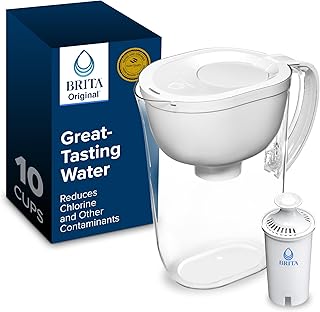
A water filter pitcher treats water after you pour it into a reservoir. The filtered water collects in the lower chamber, ready to drink or use for coffee, tea, and cooking. Most models rely on gravity, which means filtration takes a few minutes and the pitcher needs room in the refrigerator or on the counter.
A faucet filter attaches directly to a standard kitchen faucet or connects through a small diverter. It filters water as it flows from the tap, allowing you to fill a glass, pot, pet bowl, or reusable bottle without waiting for a pitcher reservoir to refill.
That distinction shapes nearly every trade-off. Pitchers are portable, low-commitment, and usually less expensive to start with. Faucet filters deliver filtered water faster and in larger quantities, but compatibility and installation matter more.
When a Filter Pitcher Makes More Sense
A pitcher is a practical choice for renters, college students, small households, and anyone who wants filtered water without changing their sink setup. You can take it out of the box, soak or rinse the filter if the instructions call for it, fill it, and start using it. There are no tools, adapters, or concerns about whether your faucet has a pull-down sprayer.
It also works well when drinking water is your main priority. If you mostly want cleaner-tasting water for glasses, hydration bottles, and a morning coffee maker, a pitcher can cover the job without adding another fixture to the kitchen sink.
The upfront price is typically lower, too. That makes pitchers a sensible way to test whether filtered water improves your routine before investing in a more permanent system. Some are compact enough for a fridge door, while larger dispensers can serve a family without taking up valuable countertop space.
The pitcher drawbacks to plan for
The main frustration is capacity. A standard pitcher may hold only a few cups of filtered water at once, and the upper reservoir needs time to drain. That is manageable for one or two people, but less convenient when you are filling a pasta pot or everyone is grabbing water after a workout.
Pitchers also need more hands-on care than shoppers expect. The lid, reservoir, and inner surfaces should be washed regularly. If a pitcher sits for days with water inside, it can develop off odors or a slippery buildup that has nothing to do with the filter itself. Keeping a second pitcher or filling it before bed can help, but that is another routine to remember.
When a Faucet Filter Is the Better Upgrade
A faucet filter is built for households that use a lot of filtered water throughout the day. It is especially useful if you regularly fill cooking pots, water bottles, ice trays, and pet bowls. Turn the lever or switch, run the water, and you have filtered water on demand.
This convenience can make a real difference in busy kitchens. You are less likely to ration filtered water or wait for a reservoir to catch up. For a family that drinks plenty of tap water, a faucet model may feel like the more natural fit within a week.
Most faucet filters are also easy to install on a compatible standard faucet. In many cases, you remove the aerator, attach the unit or adapter, and run water through the filter according to the setup instructions. No plumber is usually required.
The faucet filter trade-offs
Compatibility is the first thing to check. Faucet-mounted units commonly do not work with pull-out, pull-down, sensor-operated, or unusually shaped faucets. Some can make the sink look bulkier, and certain models reduce water flow when the filter setting is on. If you have limited clearance between your faucet and backsplash, measurements matter.
A faucet filter is also less portable. That is not a problem in a primary home, but it is worth considering for renters who move frequently or for people who split time between two locations. While it is convenient for cold drinking water and cooking, it does not replace every use case. You should not run hot water through most faucet filters, since heat can damage the filter media or affect performance.
Contaminant Reduction: Read Beyond the Box
This is where the comparison gets more nuanced. A pitcher and a faucet filter can use similar filter media, often activated carbon paired with ion-exchange materials. Both may reduce chlorine taste and odor, which is why filtered water often seems noticeably better right away.
But not all filters target the same substances. Depending on the model and certification, a filter may reduce lead, certain particulates, mercury, select industrial chemicals, or other contaminants. Another model may focus mostly on taste and odor. The word “filtered” alone does not tell you enough.
Before choosing either format, review your local water quality report and identify the concern you are trying to address. If your issue is chlorinated taste, a basic certified pitcher or faucet filter may be sufficient. If you are concerned about lead from older plumbing, choose a filter specifically certified for lead reduction and follow the replacement schedule closely.
Neither option is a catch-all solution. Standard pitchers and faucet filters generally are not designed to handle every possible concern, including high levels of dissolved solids, bacteria from a private well, or all PFAS compounds. Households with well water, known contamination, or a health-related need should start with water testing and select a system based on those results. An under-sink system, reverse osmosis setup, or whole-home solution may be more appropriate.
Cost Is More Than the Price of the Filter
A pitcher often wins on initial cost, but replacement filters determine the long-term value. Compare the price of replacement cartridges with their stated gallon capacity, then estimate how much water your household filters each week. A low-priced unit with expensive, short-lived cartridges may cost more over a year than a higher-priced option with a longer-lasting filter.
Faucet filters may have a higher entry price, but they can be economical for heavier daily use because they filter water directly at the source. Still, capacities vary widely. The best value is not necessarily the filter with the lowest per-gallon estimate. It is the one you will replace on time and use consistently.
Look for a clear filter-life indicator, whether that is an electronic light, a calendar reminder, or a simple manual tracking method. Once a filter reaches its rated capacity, continuing to use it can mean slower flow, reduced taste improvement, and less reliable contaminant reduction.
Which Is Easier to Live With?
For pure simplicity, a pitcher wins. It requires no installation, works in almost any kitchen, and can travel from an apartment to an office or vacation rental. It is the low-risk choice for people who want to try filtered water without committing to a sink attachment.
For day-to-day convenience, a faucet filter usually wins. It removes the refill-and-wait cycle and makes filtered water available for more than drinking. The best fit for a household that cooks often is usually the option that makes it easiest to use filtered water without thinking about it.
There is one exception: refrigerator space and cleaning preferences. If you like cold water ready to pour and do not mind washing a pitcher regularly, a well-designed pitcher can be genuinely convenient. If you dislike countertop clutter and want one less container to maintain, a faucet filter may be the cleaner solution.
A Quick Decision Framework
Choose a filter pitcher if you want the lowest upfront cost, need a renter-friendly option, have an incompatible faucet, or mainly filter drinking water for one or two people. It is also a strong choice if you prefer to keep a chilled supply ready in the fridge.
Choose a faucet filter if your kitchen faucet is compatible, your household goes through a lot of filtered water, or you want an easier way to fill bottles and cook with filtered water. It is often the more practical everyday upgrade for families and frequent home cooks.
Whichever format you choose, prioritize independently certified contaminant claims over broad promises on the package. Then make filter replacement part of a routine you already have, such as paying a monthly bill or changing the HVAC filter. The right water filter is the one that earns a permanent place in your day, not the one with the longest list of features.





Pingback: Air Fryer Review for Smarter Home Cooks | PO‑STORE
Pingback: How to Set Up Leak Sensors Without Missing Risks | PO‑STORE