

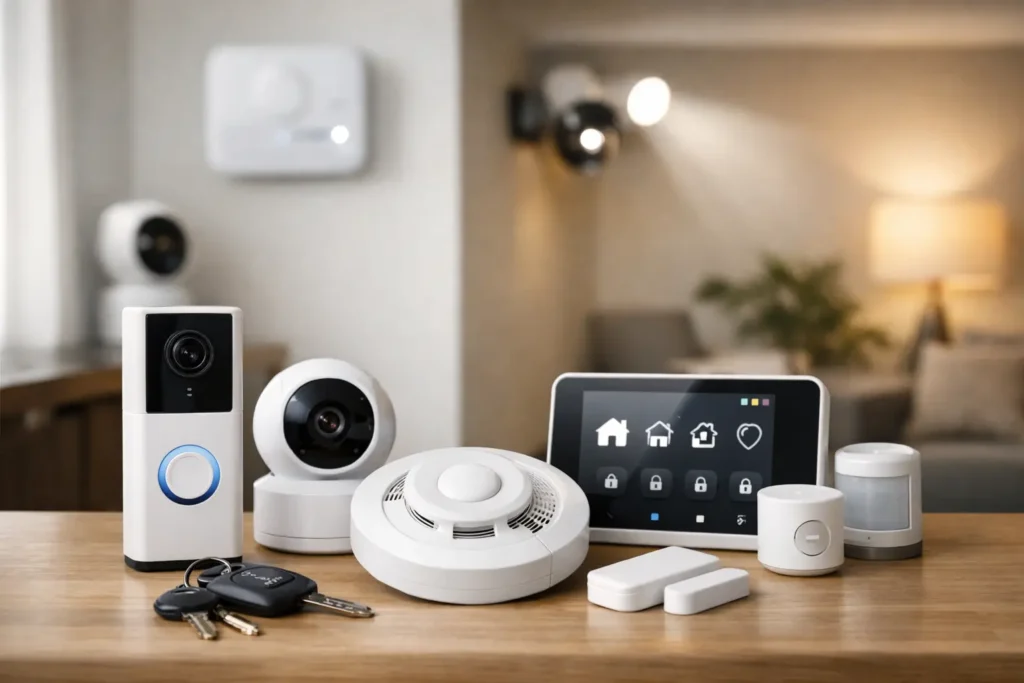
A missed package is annoying. A water leak under the sink, a smoke alarm you do not hear, or a front door that did not fully latch is a different kind of problem. That is why the best smart home safety devices are not really about gadgets – they are about catching small issues before they turn into expensive, stressful ones.
For most households, the smartest setup is not the flashiest one. It is a small group of reliable devices that cover the basics: entry points, fire risk, water damage, and visibility around the home. If you are trying to shop smarter and avoid wasting money on features you will never use, this is where to start.
What makes the best smart home safety devices worth buying
A good safety device does one job clearly, quickly, and without constant babysitting. In practice, that means fast alerts, dependable app performance, simple installation, and enough compatibility to fit into the rest of your home without drama.
The other factor is usefulness over novelty. A camera with twelve viewing modes sounds impressive until the app is slow and the notifications are useless. On the other hand, a basic leak sensor that sends an instant alert can save you thousands in water damage. The best products tend to be the ones that solve a very specific problem well.
There is also a difference between security and safety, and shoppers often mix the two together. Security products focus more on break-ins, theft, and access control. Safety products are broader. They also cover smoke, carbon monoxide, water leaks, frozen pipes, and other everyday household risks. The strongest smart home setups usually blend both.
10 best smart home safety devices to consider
1. Video doorbells
A video doorbell is still one of the most useful smart safety upgrades for the average home. It lets you see who is at the door, check package deliveries, and get alerts when someone approaches your entryway.
For apartments, condos, and busy suburban homes, this device often gives the quickest sense of control with the least effort. The trade-off is that some models rely heavily on subscription plans for video history and advanced detection. If you want to avoid monthly costs, pay close attention to local storage options before you buy.

2. Outdoor security cameras
Outdoor cameras help cover driveways, backyards, garages, and side entrances that a doorbell cannot see. They are especially useful if your home has multiple access points or if you want to monitor activity after dark.
What matters most here is not flashy resolution claims. It is weather resistance, clear night vision, accurate motion alerts, and a stable app. Battery-powered cameras are easier to install, but wired models usually need less maintenance. If you do not want another device to charge every few weeks, wired is often the better long-term choice.

3. Smart locks
Smart locks earn their place because they solve a very common problem: uncertainty. Did you lock the door? Did the dog walker get in? Do the kids need a code instead of a spare key under the mat? A good smart lock answers those questions fast.
Look for reliable locking hardware first and smart features second. Remote access, temporary codes, and activity logs are genuinely helpful. Fingerprint access can be convenient too, but it is not always more dependable than a keypad. If you live in a very cold or wet climate, durability matters more than extra unlocking methods.

4. Smart smoke and carbon monoxide detectors
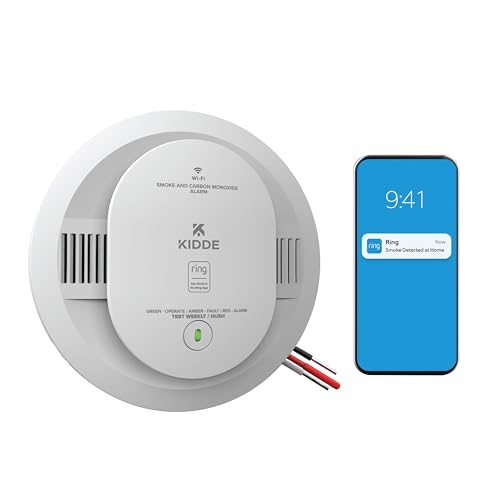
This is one of the most practical categories in the entire smart home space. Traditional alarms still do the essential job, but smart models add remote alerts, self-testing features, and clearer notifications about which room triggered the alarm.
That matters when you are away from home or sleeping on another floor. It also matters for households with pets, older adults, or kids home alone after school. You do not need every detector in the house to be smart on day one, but upgrading the highest-risk areas can make a real difference.
5. Water leak detectors
Leak detectors are not the most exciting purchase, which is exactly why they are so often overlooked. They belong near sinks, water heaters, washing machines, dishwashers, sump pumps, and basement areas where moisture can build up quietly.
If you have ever dealt with warped flooring, mold, or cabinet damage, you already know how expensive a slow leak can become. This is one of the best value categories because the devices are usually affordable, easy to place, and capable of preventing major repair bills. Some higher-end systems can also trigger an automatic shutoff valve, which is worth considering in older homes.

6. Smart garage door controllers
The garage is one of the most ignored entry points in many homes. A smart garage controller lets you check if the door is open, close it remotely, and receive alerts if it stays open too long.
This upgrade makes the most sense for households that use the garage as a primary entrance or store tools, bikes, and other high-value gear inside. The main thing to verify is compatibility with your existing opener. Some systems are simple add-ons, while others work best only with newer motor units.

7. Motion and entry sensors
Doors and windows are still the basics, and sensors cover them without overcomplicating the setup. Entry sensors tell you when a door or window opens. Motion sensors add another layer by detecting movement in a hallway, living room, or other shared space.
These devices are especially useful if you want alerts without installing cameras in private areas. They are also a smart option for renters who want a light-touch system that is easy to install and remove later. Just keep in mind that pets can trigger some motion sensors, so placement matters.
8. Smart lighting for safety
Smart lights are often sold for convenience, but they can also improve safety in very practical ways. Scheduled exterior lighting makes a home look occupied. Motion-activated lights help deter unwanted activity and make it easier for you to see entrances, walkways, and dark corners.
Inside the home, automated night lighting can help reduce falls for kids, guests, and older adults. This category works best when you keep the setup simple. A few well-placed bulbs or floodlights usually do more than trying to automate every fixture in the house.

9. Indoor cameras for targeted monitoring
Indoor cameras can be helpful, but they need a more careful approach. They make the most sense for specific situations, such as checking on pets, monitoring a nursery, or keeping an eye on a front room while traveling.
Privacy is the big trade-off here. If a camera is going inside your home, look for features like physical shutters, clear status lights, two-factor authentication, and strong app controls. For many shoppers, one indoor camera in a shared area is useful. A whole-house network of them often feels excessive.

10. Smart alarm systems
If you want one connected setup instead of a mix of standalone devices, a smart alarm system can tie everything together. These systems often include a base station, keypad, entry sensors, motion detectors, and optional professional monitoring.
The advantage is coordination. When the system works well, it gives you one app, one alert center, and one place to manage routines and notifications. The downside is cost. Full systems can get expensive once you add cameras, extra sensors, and monitoring fees. For many homes, a starter kit is enough at first.

How to choose the best smart home safety devices for your home
The best shopping decision usually starts with one question: what risk are you actually trying to reduce? If package theft is the issue, start with a doorbell camera. If you own an older home, leak sensors and smart smoke detectors may be the better first purchase. If you often leave through the garage and forget whether it is closed, a garage controller will feel more useful than another camera.
It also helps to think in layers instead of single products. One device rarely covers everything. A practical setup might include a video doorbell at the front, a smart lock on the main entry, leak sensors near appliances, and a smoke and carbon monoxide detector on each level. That is enough to solve several common household problems without turning your home into a complicated tech project.
Platform compatibility matters too, but not as much as people think. Yes, it is easier when devices work with the voice assistant or app ecosystem you already use. Still, reliability should come first. A slightly less connected device that sends fast, consistent alerts is usually a better buy than one with endless integrations and spotty performance.
Common mistakes shoppers make
The biggest mistake is overbuying. A lot of people start with a full cart of cameras, sensors, smart bulbs, locks, and alarm accessories before they know what they will actually use. Then the setup gets annoying, the notifications pile up, and half the devices end up ignored.
Another mistake is underestimating subscriptions. Storage plans, monitoring fees, and premium alerts can change the real cost of ownership fast. Before buying any device, check what works without a monthly plan and what features are locked behind one.
Finally, do not treat smart features as a replacement for basics. A smart lock still needs a strong door and solid installation. A camera still needs good placement and lighting. A leak detector helps most when it sits in the right spot. The smartest home safety device in the world cannot fix poor setup.
If you want a safer home without wasting money, start with the problem that would cost you the most stress if it happened tomorrow. That is usually the device worth buying first, and it is the same practical filter we use at PO-Store when sorting through crowded product categories.

Pingback: Smart Lock vs Traditional Deadbolt Compared | PO‑STORE